
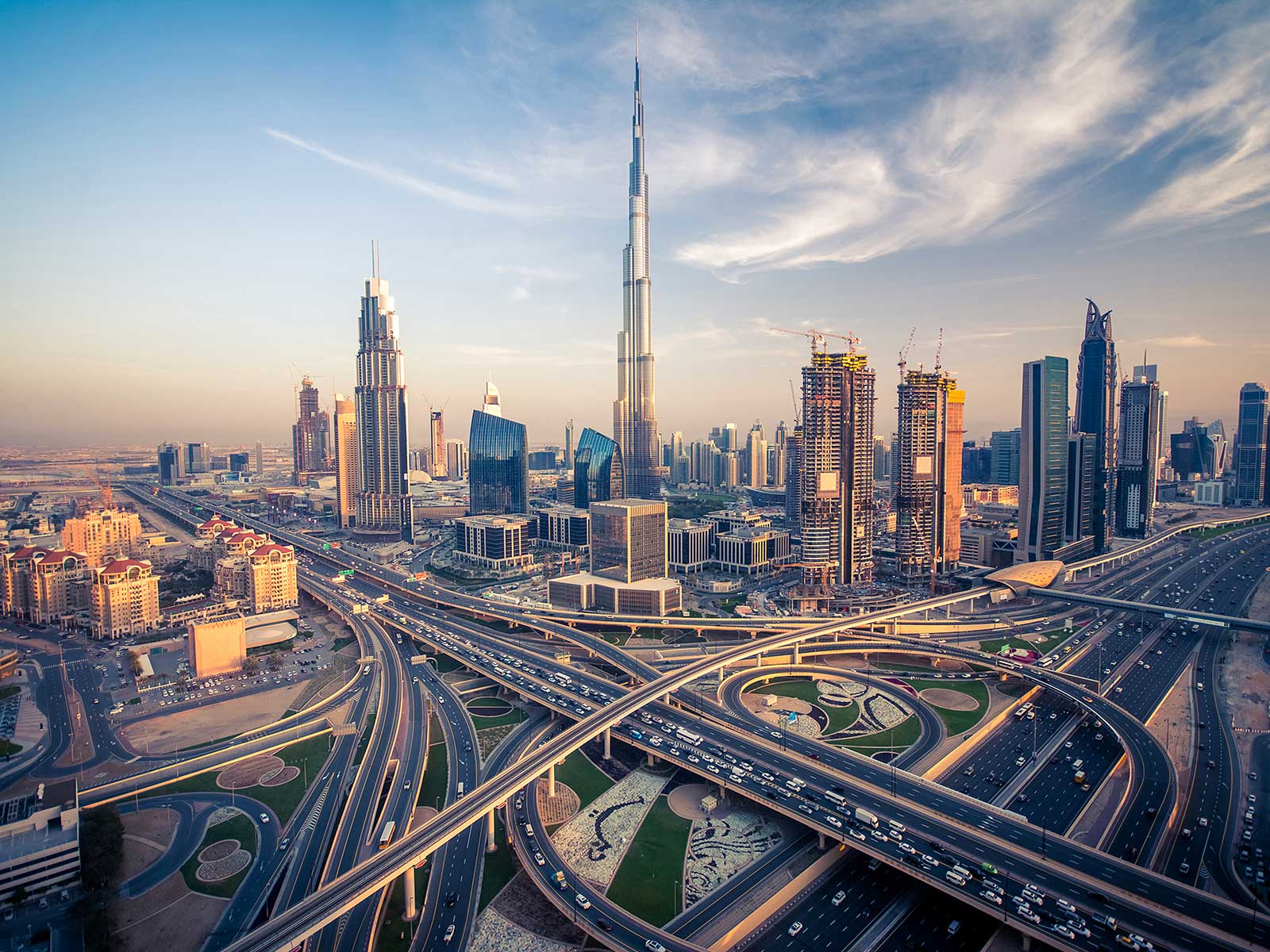
Best Time to Visit Dubai: A Seasonal Guide for Travelers
Dubai, a city of dazzling skyscrapers, luxurious experiences, and endless entertainment, beckons travelers year-round. However, understanding its unique climate is key to planning a trip that perfectly aligns with your interests and comfort levels. This comprehensive guide breaks down Dubai's seasons, helping you discover the ideal time for your unforgettable adventure.
Understanding Dubai's Climate
Dubai experiences two primary seasons: a hot summer and a warm winter. The transition periods of spring and autumn offer a blend of both. With sunshine virtually guaranteed throughout the year, the main differentiator is temperature and humidity, which significantly impact what activities are most enjoyable.
Winter: Peak Season (November to March)
Weather:This is arguably the most popular time to visit Dubai, and for good reason. Temperatures are blissfully mild, ranging from 19°C to 30°C (66°F to 86°F) with low humidity and abundant sunshine. Evenings are pleasantly cool, sometimes requiring a light jacket.
Activities:The glorious weather makes winter perfect for all outdoor pursuits. Spend your days lounging on pristine beaches, exploring the vibrant souks, or enjoying al fresco dining. It's the ideal time for a thrilling Dubai Desert adventure, complete with dune bashing and stargazing. Iconic attractions like the observation decks of the Burj Khalifa and the mesmerizing shows of The Dubai Fountain are particularly enjoyable in the cooler evenings. You can also comfortably stroll along the promenades of Palm Jumeirah or explore various outdoor markets and festivals.
- Pros:Perfect weather for outdoor activities, numerous events and festivals (like the Dubai Shopping Festival), vibrant atmosphere.
- Cons:Peak tourist season means higher hotel and flight prices, larger crowds at popular attractions, and a need to book activities well in advance.
Tip:If visiting during peak winter, especially around New Year's or major festivals, book your accommodation and popular tours several months ahead to secure your preferred options and avoid disappointment.
Spring: Transition Period (April to May)
Weather:Spring sees temperatures begin to climb, typically ranging from 25°C to 38°C (77°F to 100°F). While mornings and evenings remain pleasant, afternoons can feel quite warm. Humidity starts to increase slightly, making the heat feel more intense.
Activities:This season offers a good balance. You can still enjoy some outdoor activities in the mornings and late afternoons, such as beach visits or exploring parts of the city. However, it's an excellent time to shift focus to indoor attractions. Spend your afternoons exploring the vast Dubai Mall, marveling at the marine life in the Dubai Aquarium and Underwater Zoo, or visiting various museums and art galleries. Water parks become increasingly appealing as temperatures rise.
- Pros:Fewer crowds compared to winter, potentially better deals on flights and hotels, good for a mix of indoor and outdoor activities.
- Cons:Temperatures are rising, limiting comfortable outdoor time, especially in the afternoon.
Summer: Off-Peak Season (June to August)
Weather:Summer in Dubai is characterized by intense heat and high humidity, with average temperatures soaring between 35°C and 45°C (95°F to 113°F) and often feeling hotter. Direct sun exposure is generally uncomfortable for extended periods.
Activities:During these months, Dubai transforms into an indoor paradise. The city is exceptionally well-equipped to handle the heat, with world-class air-conditioning everywhere. This is the perfect time to explore the city's incredible indoor attractions. Indulge in retail therapy at the Dubai Mall, visit the indoor theme parks, or challenge yourself at indoor ski slopes. The Burj Khalifa's observation decks offer breathtaking views from climate-controlled comfort. Water parks are a popular choice for cooling off. Evenings offer a slight reprieve, making outdoor dining or waterfront strolls possible, but still warm.
- Pros:Significant discounts on hotels and flights, minimal crowds at attractions, excellent opportunities to enjoy Dubai's luxurious indoor experiences.
- Cons:Extreme heat severely limits outdoor activities, making sightseeing exhausting.
Fun Fact:Dubai's ingenuity shines in summer; many shopping malls and hotels are connected by air-conditioned walkways, making it possible to navigate extensive areas without stepping outside.
Autumn: Transition Period (September to October)
Weather:Autumn brings a gradual, welcome decrease in temperatures, although it remains warm. Average temperatures range from 30°C to 40°C (86°F to 104°F). Humidity begins to drop, making the heat more bearable towards the end of October.
Activities:As the weather cools, outdoor activities slowly become more feasible, especially in the late afternoons and evenings. Beaches and outdoor dining start to fill up again. It's a great time to enjoy evening performances of The Dubai Fountain or take a dhow cruise along Dubai Creek. Exploring the various districts and their unique offerings becomes more comfortable. It's also a good season to plan a visit to Palm Jumeirah's resorts and attractions.
- Pros:Fewer crowds than winter, improving weather as the season progresses, better value for money than peak season.
- Cons:Early autumn can still be quite hot, so planning around the heat is necessary.
Factors to Consider When Choosing Your Travel Dates
Budget and Crowds
Winter (November-March):Expect the highest prices for flights and accommodation, and be prepared for large crowds at all popular sites. Booking well in advance is essential.
Summer (June-August):This is the low season, offering the best deals on hotels, flights, and even some activities. Crowds are significantly smaller, making for a more relaxed experience at indoor attractions.
Shoulder Seasons (April-May & September-October):These periods offer a middle ground with more moderate prices and fewer crowds than winter, while still enjoying relatively good weather, especially towards the end of autumn.
Events and Festivals
Dubai hosts numerous world-class events throughout the year. The famousDubai Shopping Festivaltypically runs from December to January, coinciding with the peak season. Other events, from sporting championships to art exhibitions and concerts, are often scheduled during the cooler months to maximize outdoor attendance. Always check Dubai's official tourism calendar for specific dates that might align with your interests.
Specific Activities
- Outdoor Adventures (Desert safaris, beach days, walking tours):Best enjoyed from November to March.
- Indoor Attractions (Malls, museums, aquariums, theme parks):Excellent year-round, but particularly appealing during the hot summer months.
- Water Activities (Water parks, boat tours):Popular in spring and autumn, and a crucial way to cool down in summer.
Conclusion
The "best" time to visit Dubai truly depends on your priorities. If ideal weather for outdoor activities and a vibrant, bustling atmosphere are paramount, thenwinter (November to March)is your best bet, provided you book early and budget accordingly. If you're keen on exploring Dubai's opulent indoor world, scoring great deals, and avoiding crowds, thensummer (June to August)might surprise you with its unique charm. The shoulder seasons ofspring and autumnoffer a compromise, balancing good weather with fewer tourists and better value.
No matter when you choose to visit, Dubai promises an unforgettable experience, constantly reinventing itself to delight travelers from around the globe.