
Is Dominica Safe for Tourists? Essential Safety Tips & Advice
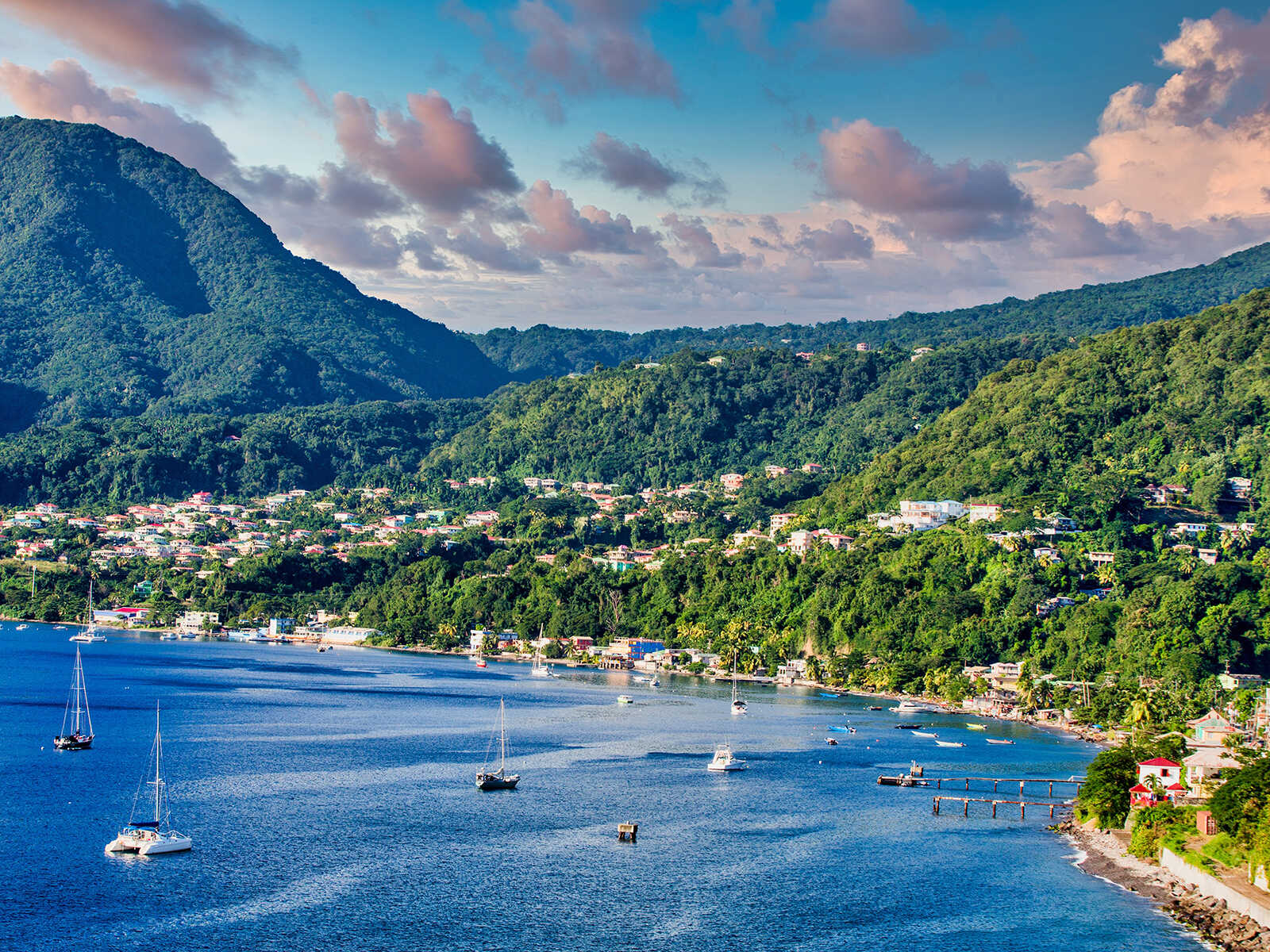
Dominica, the "Nature Island" of the Caribbean, captivates visitors with its lush rainforests, volcanic landscapes, and pristine waters. While its rugged beauty promises adventure, many prospective travelers naturally wonder: Is Dominica safe for tourists? The good news is that Dominica is generally a very safe destination, particularly for those who come to immerse themselves in its natural wonders. However, like any travel destination, being informed and prepared is key to a smooth and enjoyable experience.
Overall Safety in Dominica: What to Expect
Dominica boasts a relatively low crime rate compared to many other Caribbean islands. Violent crime against tourists is rare, and the local population is generally welcoming and friendly. Most incidents involving tourists are minor and preventable, often related to petty theft or opportunistic crime. The island's focus on ecotourism attracts a respectful type of traveler, which also contributes to its tranquil atmosphere.
However, it's crucial to exercise common sense and situational awareness, just as you would in any unfamiliar place. The island's rugged terrain and natural attractions, while breathtaking, also present their own set of safety considerations that go beyond typical urban concerns.
Common Safety Concerns for Tourists
Petty Crime and Theft
While serious crime is uncommon, petty theft can occur, particularly in more populated areas like Roseau, near ports, or at popular tourist sites. These incidents often involve unattended bags, valuables left visible in rental cars, or pickpocketing in crowded markets.
- Keep valuables out of sight:Avoid flashing expensive jewelry, cameras, or large sums of cash.
- Secure your belongings:Use hotel safes for passports and extra cash. When out, keep bags zipped and close to your body.
- Be cautious at isolated spots:While tempting to leave your bag on the beach while you swim, it's safer to have someone watch it or keep it out of sight.
Water Safety
Dominica's coastline offers incredible opportunities for swimming, snorkeling, and diving at spots like Champagne Beach and Scotts Head. However, ocean conditions can vary.
- Be aware of currents:Some beaches and coves can have strong undercurrents. Always observe local warnings and ask locals about safe swimming areas.
- Marine life:While rare, be mindful of sea urchins, jellyfish, and other marine life. Wear appropriate footwear if exploring rocky shores.
- Boating and water sports:Ensure any tour operators are reputable and that equipment is well-maintained. Always wear a life vest when on boats or participating in water sports.
Hiking and Trail Safety
Dominica is a hiker's paradise, home to breathtaking trails leading to Trafalgar Falls,Emerald Pool, and the challenging Boiling Lake. These adventures come with specific safety considerations.
- Hire a local guide:For longer or more challenging trails, especially to the Boiling Lake, a certified local guide is highly recommended. They know the terrain, weather patterns, and can assist in emergencies.
- Stay on marked trails:Venturing off-trail can lead to getting lost or encountering dangerous terrain.
- Proper gear:Wear sturdy hiking shoes with good grip. Bring plenty of water, snacks, a first-aid kit, and rain gear. Weather can change rapidly in the rainforest.
- Inform someone:Let your accommodation know your hiking plans and expected return time.
"Dominica's trails are magnificent, but they demand respect. A good guide not only ensures your safety but also enriches your experience with local knowledge and insights into the island's unique flora and fauna."
Road Safety and Transportation
Dominica's roads are often narrow, winding, and can have potholes, especially in less-trafficked areas leading to spots like Red Rocks or Batibou Beach. Driving is on the left-hand side.
- Rentals:If renting a car, opt for a 4x4 if exploring off the main routes. Drive defensively and be aware of pedestrians, livestock, and other vehicles, particularly on blind corners.
- Taxis:For convenience and safety, consider using certified taxis, especially for longer distances or after dark. Negotiate fares before starting your journey.
- Public transport:Minibuses are a common and affordable way to get around, but they can be crowded.
Natural Disasters
As a Caribbean island, Dominica is susceptible to natural disasters, particularly hurricanes during the Atlantic hurricane season (June 1 - November 30). Earthquakes and landslides (especially after heavy rains) are also possibilities due to the island's volcanic and mountainous terrain.
- Stay informed:Monitor local weather forecasts and advisories, especially during hurricane season.
- Know evacuation routes:Familiarize yourself with emergency procedures at your accommodation.
Health and Medical Facilities
Dominica has basic medical facilities, but serious conditions may require evacuation to a larger island or back to your home country. Dengue fever and Zika virus are present, carried by mosquitoes.
- Travel insurance:Comprehensive travel insurance, including medical evacuation, is highly recommended.
- Insect repellent:Use repellent, especially at dawn and dusk, to prevent mosquito bites.
- Hydration:Drink plenty of bottled or filtered water to stay hydrated in the tropical climate.
- Sun protection:The Caribbean sun is strong; use high-SPF sunscreen, wear hats, and seek shade.
Practical Safety Tips for Your Trip
Before You Go
- Research:Familiarize yourself with the areas you plan to visit, including attractions like Papillote Tropical Gardens,Indian River, and Fort Shirley.
- Share your itinerary:Leave a copy of your travel plans with family or friends.
- Pack smart:Bring appropriate clothing for hiking and swimming, but avoid overly flashy attire.
While on the Island
- Trust your instincts:If a situation feels unsafe, remove yourself from it.
- Limit alcohol:Excessive alcohol consumption can impair judgment and make you a target.
- Respect local culture:Dress modestly when visiting towns or religious sites. Be polite and courteous. When visiting communities like the Kalinago Barana Aute, be mindful of local customs and ask permission before taking photos of people.
- Walk with purpose:Avoid looking lost, especially in urban areas.
- Nighttime safety:Avoid walking alone in isolated or poorly lit areas after dark. Use reputable taxis.
Emergency Information
While we hope you won't need them, knowing the local emergency numbers is vital:
- Police:Dial 999 or 911
- Ambulance:Dial 999 or 911
- Fire:Dial 999 or 911
Keep these numbers stored in your phone, along with the contact details for your accommodation and your country's embassy or consulate if applicable.
Conclusion
Dominica offers a truly unique and enriching travel experience, especially for those who love nature and adventure. By understanding the potential risks and taking sensible precautions, you can ensure your trip to the "Nature Island" is not only memorable but also safe and worry-free. Embrace the adventure, respect the environment, and enjoy the unparalleled beauty of Dominica with confidence.