
How to Get to Dominica: Flights, Ferries & Entry Points Guide
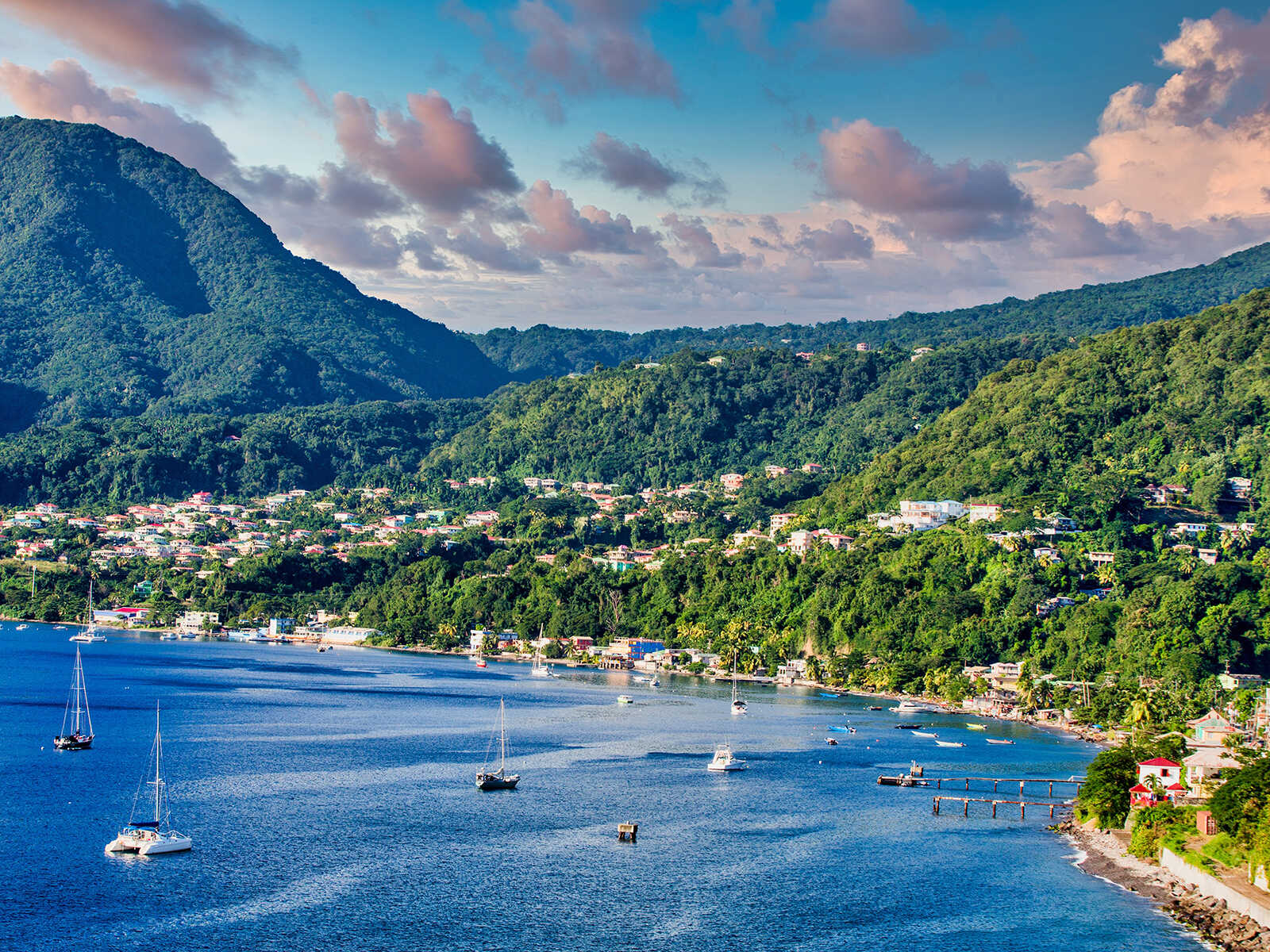
Dominica, the Caribbean's "Nature Isle," beckons with its lush rainforests, volcanic landscapes, and pristine rivers. While it maintains an untouched charm, reaching this ecological paradise is simpler than you might imagine. This comprehensive guide details all the essential information for planning your journey to Dominica by air or sea.
Known for its dramatic scenery and vibrant culture, Dominica offers an unparalleled experience for adventurers and nature lovers alike. From its cascading waterfalls like Trafalgar Falls and the serene beauty of the Emerald Pool to the challenging trek to the Boiling Lake, the island promises unforgettable memories. Understanding the logistics of arrival is the first step in unlocking these adventures.
Getting to Dominica by Air
Dominica is served by two main airports, catering to different types of aircraft and travel preferences. Both airports are equipped to handle regional flights, making connections a key part of the journey for most international travelers.
Douglas-Charles Airport (DOM)
Located on the northeast coast, approximately an hour's drive from the capital, Roseau, Douglas-Charles Airport (DOM), formerly Melville Hall, is Dominica's primary international airport. It features a longer runway capable of accommodating larger regional jets, making it the most common entry point for visitors.
Connecting Flights to DOM
Since Dominica does not currently have direct long-haul flights from North America or Europe, travelers typically connect through other Caribbean hubs. Popular connection points include:
- Puerto Rico (SJU):Offering connections via Silver Airways/American Eagle, this is a frequent gateway for travelers from the U.S.
- Barbados (BGI):A major regional hub with connections to LIAT (Leeward Islands Air Transport) and interCaribbean Airways.
- Antigua (ANU):Another significant hub, primarily serviced by LIAT and interCaribbean.
- St. Lucia (UVF/SLU):Connections available through LIAT.
- Sint Maarten (SXM):Winair provides connections from this northern Caribbean hub.
- Guadeloupe (PTP) & Martinique (FDF):Air Antilles and LIAT offer short hops from these French Caribbean islands.
Airlines serving DOM include regional carriers such as LIAT, interCaribbean Airways, Winair, Air Antilles, and Silver Airways (operating as American Eagle). It's advisable to check airline schedules and book well in advance, especially during peak travel seasons, as flight availability can vary.
Canefield Airport (DCF)
Situated just a short drive from Roseau on the west coast, Canefield Airport (DCF) is a smaller airport primarily handling inter-island charter flights and private aircraft. Its shorter runway limits the size of aircraft it can accommodate. While less common for international arrivals, it can be a convenient option for private charters or short hops from nearby islands for those staying closer to the capital.
Tips for Air Travel to Dominica
- Plan Your Connections:Allow ample time between connecting flights, especially if traveling through different airlines.
- Baggage Allowances:Regional carriers often have stricter baggage weight and size limits than international airlines. Verify these requirements to avoid unexpected fees.
- Airport Transfers:Taxis are readily available at both airports. For Douglas-Charles (DOM), consider pre-booking a transfer if your accommodation is in Roseau or the south, as the drive can be lengthy but scenic.
Getting to Dominica by Sea: Ferry Services
For a different travel experience, or as part of an island-hopping adventure, Dominica is accessible by ferry from several neighboring French Caribbean islands. This offers a unique perspective and often allows for more flexible travel plans.
Ferry Operators and Routes
The primary ferry operators serving Dominica are L'Express des Iles and Val'Ferry. They connect Dominica with:
- Guadeloupe (Pointe-à-Pitre):A popular route for those exploring the French Antilles.
- Martinique (Fort-de-France):Another frequent connection point.
- St. Lucia (Castries):Offers a direct link further south.
Ferry journeys can range from approximately 1.5 to 3 hours, depending on the origin island and sea conditions. The ferries are comfortable, offering both indoor and outdoor seating, and often have snack bars on board.
Ferry Terminals in Dominica
Dominica has two main ferry terminals:
- Roseau Ferry Terminal:Located in the capital, this is the most common disembarkation point for ferry passengers. It's well-connected to local transport and conveniently situated for exploring attractions like Champagne Beach or the nearby Papillote Tropical Gardens.
- Cabrits Cruise Ship Berth:Situated near Portsmouth in the north, close to the historic Fort Shirley and Indian River, this terminal is less frequently used for inter-island ferries but serves cruise ships. Occasionally, ferries might use this port, so it's essential to confirm your arrival point when booking.
Travel Tip:Ferry travel offers stunning coastal views of the islands you pass. Keep your camera ready for unique photo opportunities!
Booking and Ferry Travel Tips
- Book in Advance:Especially during peak season or holidays, ferries can sell out. Booking online or through a travel agent is recommended.
- Check-in Times:Arrive at the ferry terminal well before departure to allow for check-in and immigration procedures.
- Customs and Immigration:Just like air travel, you'll go through immigration and customs upon arrival in Dominica by ferry. Have your passport and completed declaration forms ready.
- Luggage:Ferry operators have luggage allowances, typically more generous than airlines, but still worth checking.
Entry Requirements and Customs
Regardless of whether you arrive by air or sea, certain entry requirements apply to all visitors to Dominica. It's crucial to be prepared to ensure a smooth and hassle-free entry.
Passport and Visa
All visitors must possess a valid passport, which should be valid for at least six months beyond your intended departure date. Visa requirements vary by nationality. Many countries, including the U.S., Canada, UK, and most EU member states, do not require a visa for stays up to 21 days or longer, depending on bilateral agreements. However, it is always best to check the latest visa regulations with the Dominican consulate or embassy in your country of residence before travel.
Customs Declaration
Upon arrival, you will need to complete an immigration and customs declaration form. Be prepared to declare any goods you are bringing into the country, including dutiable items. Prohibited items include illegal drugs, firearms, and certain agricultural products.
Health Requirements
While specific vaccination requirements are rare for most visitors, it's always wise to consult your doctor about recommended vaccinations for travel to the Caribbean. Depending on global health situations, you might be asked to provide proof of certain vaccinations or health screenings. Always check the latest health advisories issued by the Dominican government or your home country's health organizations.
Arriving in Dominica: What to Expect
Once you've cleared immigration and customs, you'll step into the vibrant atmosphere of Dominica. Local currency is the Eastern Caribbean Dollar (XCD), though US dollars are widely accepted. English is the official language, making communication easy for most visitors.
Ground Transportation from Entry Points
- Taxis:Readily available at both airports and ferry terminals. Fares are usually fixed for popular routes, but it's always a good idea to confirm the price before starting your journey.
- Rental Cars:Several local and international car rental agencies operate in Dominica. Driving is on the left-hand side, and a temporary local driving permit is required (obtainable from the rental agency or local police station). This offers the most flexibility for exploring the island's many hidden gems, from Red Rocks to Batibou Beach.
- Buses:Public mini-buses operate on fixed routes but are less convenient for travelers with luggage or those unfamiliar with the island's routes.
Whether you're heading south to Scotts Head for snorkeling or north to the Kalinago Barana Aute cultural village, Dominica's transport infrastructure will get you there.
Conclusion
Getting to Dominica is an integral part of the adventure, offering glimpses of stunning Caribbean landscapes even before you set foot on the island. With careful planning regarding flights or ferries, and an understanding of entry requirements, your journey to the "Nature Isle" will be as smooth and enjoyable as your stay. Prepare to be captivated by Dominica's untouched beauty from the moment you arrive.