
Dominica Wildlife & Nature: Flora and Fauna of the Nature Isle
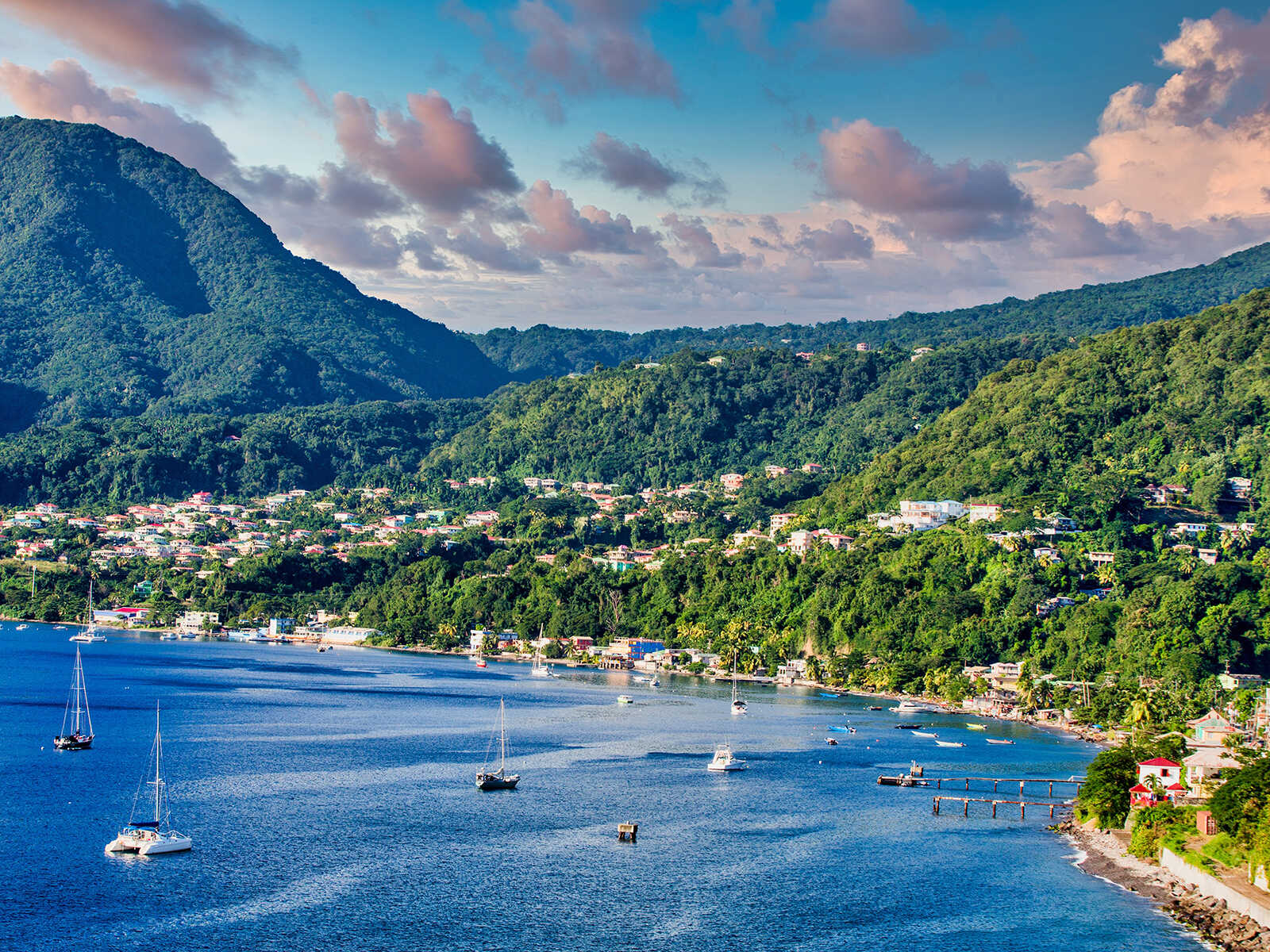
Dominica, often hailed as the "Nature Isle" of the Caribbean, lives up to its name with an unparalleled abundance of lush rainforests, pristine rivers, dramatic waterfalls, and vibrant marine ecosystems. This verdant island nation is a biodiversity hotspot, offering a remarkable array of unique flora and fauna waiting to be discovered by intrepid travelers.
Dominica's Unique Ecosystems: A Biodiversity Hotspot
Dominica's volcanic origin and mountainous terrain have created a diverse tapestry of microclimates and habitats, from steamy geothermal valleys to cool cloud forests and sun-drenched coastal areas. This geographical variety supports an incredible range of plant and animal life, much of which is endemic or regionally significant. The island's commitment to conservation is evident in its numerous national parks and protected areas, safeguarding these precious natural resources for future generations.
Flora of the Nature Isle: A Botanical Paradise
The island's rich soil and abundant rainfall contribute to an astonishing botanical display. Dominica's interior is dominated by dense tropical rainforests, a veritable living museum of plant diversity. Here, towering trees like the Gommier (Dacryodes excelsa) and Bois Bande (Richeria grandis) create a multi-layered canopy, supporting a complex ecosystem below.
Rainforest Riches and Flowering Wonders
- Trees and Epiphytes:Beyond the dominant tree species, you'll encounter a fascinating array of epiphytes, including bromeliads, mosses, and dozens of orchid species, clinging to tree trunks and branches. Giant ferns, lianas, and heliconias add to the dense, vibrant undergrowth.
- Vibrant Blooms:Throughout the island, especially in cultivated areas and along hiking trails, a spectrum of colorful flowers thrives. Look for the striking red and yellow hues of Heliconia, the waxy elegance of Anthurium, and the delicate beauty of wild orchids. For an immersive experience with cultivated flora, a visit to Papillote Tropical Gardens offers a stunning display of tropical plants and flowers.
- Coastal Vegetation:Along the coastline, different plant communities adapt to the saline conditions. Mangrove forests provide crucial habitats for marine life, while sea grape trees and coconut palms dot the beaches, offering shade and sustenance.
Fun Fact:Dominica is home to over 1,200 species of flowering plants, showcasing an incredible botanical diversity packed into a relatively small island.
Fauna of the Nature Isle: Encounters with Wild Beauty
While Dominica might not boast large land mammals, its avian, reptilian, amphibian, and marine life more than compensate, offering thrilling encounters for nature enthusiasts.
Dominica's Avian Wonders: A Birdwatcher's Dream
Dominica is a prime destination for birdwatching, home to over 170 species, including several endemics. The most iconic are its two magnificent Amazon parrots:
- Sisserou Parrot (Imperial Amazon):Dominica's national bird, the Sisserou (Amazona imperialis), is one of the largest and rarest Amazon parrots in the world. With its regal purple chest and green body, it's a truly majestic sight. Spotting this critically endangered species requires patience and a keen eye, often deep within the rainforests.
- Jaco Parrot (Red-necked Amazon):More common than the Sisserou, the Jaco (Amazona arausiaca) is another vibrant endemic parrot, distinguished by its red throat and neck feathers. Its calls often echo through the valleys.
Other notable endemic birds include the Dominica Oriole, Forest Thrush, and Blue-headed Hummingbird. Popular spots for birdwatching include the trails around Trafalgar Falls and the Morne Trois Pitons National Park.
Marine Mammals: Giants of the Deep
One of Dominica's most celebrated wildlife experiences is whale and dolphin watching. The deep, sheltered waters off its western coast are a year-round home to a resident population of sperm whales (Physeter macrocephalus), making Dominica one of the few places in the world where encounters are virtually guaranteed. Besides sperm whales, visitors can often spot:
- Pilot whales
- Humpback whales (seasonal visitors)
- Spinner, spotted, and bottlenose dolphins, often playing in boat wakes.
The waters around Scotts Head offer a good vantage point for observing the marine environment, though boat tours are essential for close encounters.
Reptiles and Amphibians: Hidden Gems
Dominica's damp environment is ideal for a variety of reptiles and amphibians. You might spot large iguanas basking in the sun, various species of anoles, and non-venomous snakes like the Boa constrictor. However, the most famous amphibian is the critically endangered:
- Mountain Chicken (Leptodactylus fallax):This giant ditch frog, once a culinary delicacy, has faced severe population declines due to habitat loss and a devastating chytrid fungus. Conservation efforts are underway to save this unique species, which can grow to the size of a small chicken.
Insects and Butterflies: A Kaleidoscope of Colors
The rainforests teem with insect life, from fascinating beetles to vibrant dragonflies. Dominica is also home to numerous butterfly species, including the striking Blue Morpho, whose iridescent wings flash through the forest undergrowth, adding another layer of magic to the island's natural beauty.
Underwater Worlds: Coral Reefs and Sea Turtles
Dominica's coastline, particularly on the Caribbean side, boasts healthy coral reefs, teeming with colorful reef fish like parrotfish, angelfish, and snapper. The volcanic seabed also features unique geothermal vents, creating "champagne" bubbles in the water, a phenomenon best experienced at Champagne Beach, where snorkeling reveals an otherworldly marine landscape. Sea turtles, including green, hawksbill, and leatherback turtles, nest on Dominica's secluded beaches, particularly during breeding seasons.
Key Habitats and Natural Attractions for Wildlife Encounters
Exploring Dominica's natural attractions often means immersing yourself directly into its wildlife habitats.
- Rainforests and Waterfalls:The heart of the island's biodiversity lies in its dense rainforests. Trails leading to majestic waterfalls like Trafalgar Falls and the enchanting Emerald Pool provide excellent opportunities to observe birds, insects, and lush vegetation.
- Volcanic Features:Areas like the Boiling Lake, while extreme, host unique extremophile organisms and offer a glimpse into the island's raw geological power, which shapes its ecosystems.
- Rivers and Freshwater Ecosystems:The island's numerous rivers are vital arteries for its wildlife. A serene boat trip along the Indian River, for example, offers a chance to spot wading birds, kingfishers, and unique riparian flora.
- Coastal Areas:Beyond the reefs, Dominica's diverse coastlines, from the black sand beaches of Batibou Beach to the striking rock formations of Red Rocks, support different bird species and offer turtle nesting sites.
Conservation and Responsible Tourism: Protecting the Nature Isle
Dominica's commitment to preserving its natural heritage is paramount. The island has established an extensive network of national parks and forest reserves, including the Morne Trois Pitons National Park (a UNESCO World Heritage Site), to protect its unique ecosystems. As a visitor, embracing responsible tourism practices is crucial:
- Stay on Trails:Protect delicate ecosystems by sticking to marked paths.
- Do Not Disturb Wildlife:Observe from a respectful distance and avoid feeding animals.
- Support Local:Hire local guides who are knowledgeable about the island's flora and fauna and adhere to sustainable practices.
- Leave No Trace:Pack out everything you pack in, helping to keep Dominica pristine.
- Respect Culture:While exploring nature, remember to also respect the island's rich cultural heritage, perhaps by visiting sites like the Kalinago Barana Aute.
Dominica truly is a living laboratory and a sanctuary for nature lovers. From the endemic parrots soaring above the rainforest canopy to the majestic sperm whales cruising its deep waters, the island offers an unparalleled opportunity to connect with an unspoiled natural world. Embrace the adventure, and discover the wild heart of the Caribbean.