
Dominica Culture & Customs: Understanding the Heart of the Caribbean
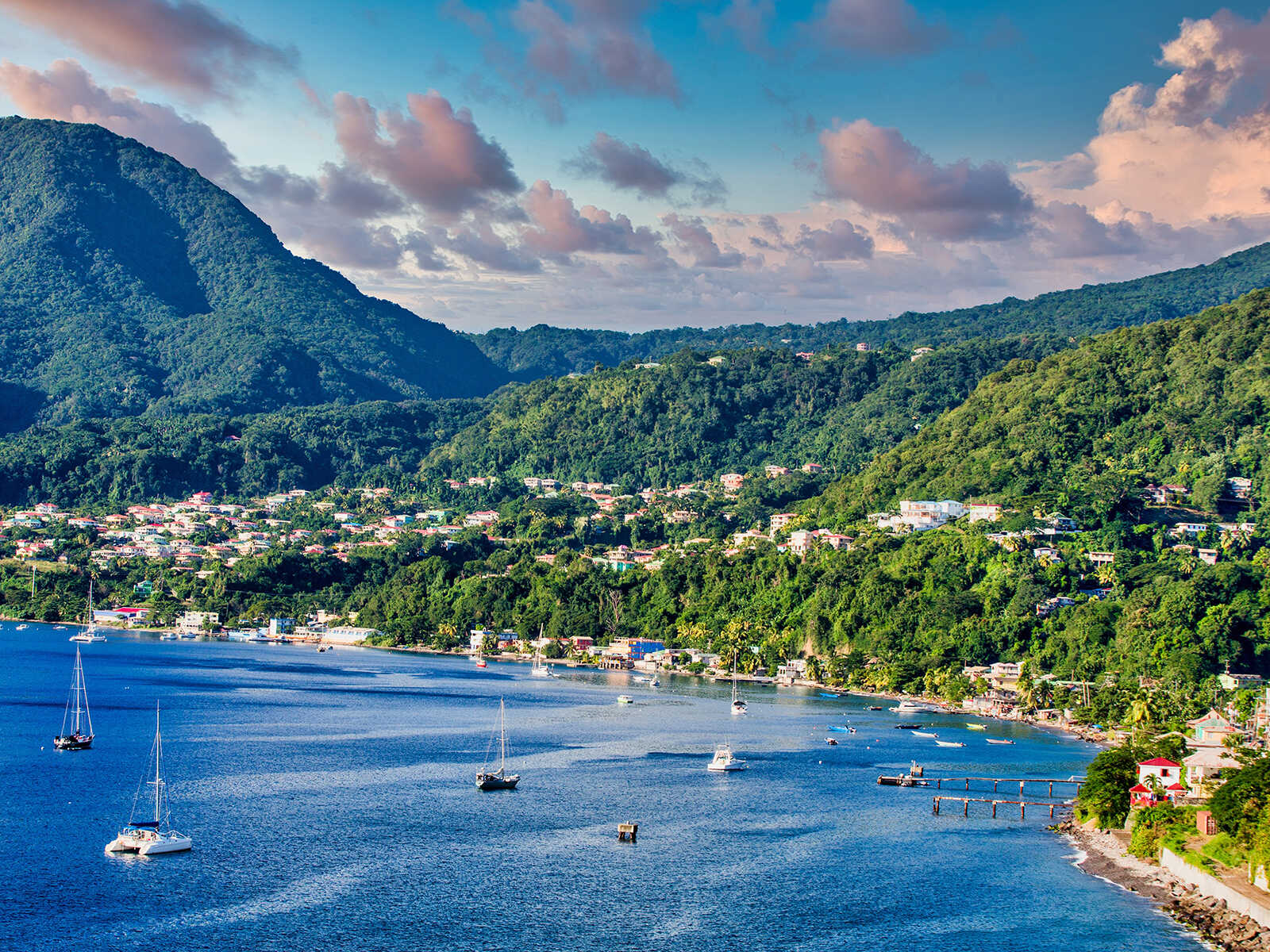
Dominica, often called the "Nature Isle of the Caribbean," offers more than just breathtaking landscapes; it boasts a vibrant and deeply rooted culture. To truly appreciate this verdant island, understanding its people, traditions, and customs is essential for a richer, more meaningful travel experience.
A Tapestry Woven Through History
Dominica's cultural identity is a rich mosaic, shaped by centuries of history. From its indigenous Kalinago roots to the influences of French and British colonization, each era has left an indelible mark. This blend has forged a unique Caribbean spirit, resilient and deeply connected to its natural environment.
The Warmth of the Dominican People
One of the first things visitors notice is the genuine warmth and hospitality of Dominicans. Known for their friendly smiles and welcoming nature, locals are often eager to share their island's beauty and stories. A simple "Good morning" or "Good afternoon" goes a long way in fostering positive interactions.
Language: Bridging Worlds
WhileEnglishis the official language, you'll frequently hearKweyol(Kréyòl), a French-based patois, spoken by many Dominicans. This vibrant dialect is a testament to the island's historical ties and serves as a powerful symbol of cultural identity. Learning a few Kweyol phrases, such as "Bon jou" (Good day) or "Sa ka fèt?" (How are you?), will be greatly appreciated by locals and can enhance your cultural immersion.
Culinary Delights: A Taste of the Island
Dominica's cuisine is a celebration of fresh, local ingredients, heavily influenced by African, French, and Kalinago traditions. Expect an abundance of seafood, root vegetables, and tropical fruits. Staples include "callaloo" soup, "bakes" (fried dough), and "stew fish" served with provisions like dasheen, yam, and plantain.
Dining is often a communal and relaxed affair. From roadside vendors offering delicious snacks to charming local restaurants, food is an integral part of the Dominican experience. Don't miss trying fresh fruit juices or the local rum punch!
Tip:When offered food, it's polite to accept or politely decline with gratitude. Sharing meals is a significant part of Dominican hospitality.
Rhythms and Celebrations: The Sound of Dominica
Music and dance are at the heart of Dominican life. The island is the birthplace ofCadence-lypsoandBouyon, two energetic genres that blend traditional folk rhythms with modern influences. You'll hear these infectious beats emanating from homes, cars, and community gatherings.
Dominica truly comes alive during its festivals.Carnival, locally known as "Mas Domnik," is a spectacular pre-Lenten celebration of parades, calypso competitions, and vibrant street parties. Another highlight is the annualWorld Creole Music Festival, attracting international and regional artists, showcasing the richness of Creole culture through music.
Traditions and Values: The Fabric of Society
Family plays a central role in Dominican society, with strong intergenerational ties. Respect for elders is paramount, and community support networks are deeply ingrained. Many traditions are rooted in oral history, passed down through storytelling and shared experiences. A strong sense of national pride and resilience also defines the Dominican spirit, especially evident in how communities come together in times of need.
Kalinago Heritage: Preserving Indigenous Roots
Dominica is home to the last remaining indigenous Kalinago people in the Caribbean. Their ancestral lands, known as the Kalinago Territory (formerly Carib Territory), cover 3,700 acres on the island's east coast. Here, the Kalinago strive to preserve their unique language, customs, and traditional crafts like basket weaving and canoe building. A visit to the Kalinago Barana Aute cultural village offers an invaluable opportunity to learn about their history and living heritage directly from the community.
Etiquette and Social Norms for Visitors
To ensure a respectful and enjoyable visit, keep these cultural pointers in mind:
- Greetings:Always greet people, especially when entering a shop or joining a group. A simple "Good morning" or "Good afternoon" is customary.
- Dress Code:While casual wear is common, modesty is appreciated, particularly in towns and religious sites. Beachwear should be reserved for the beach.
- Photography:Always ask permission before taking photos of individuals, especially children.
- Respect for Nature:Dominicans have a deep reverence for their natural environment. Help keep the island clean by properly disposing of waste and staying on marked trails when exploring sites like Trafalgar Falls or the Emerald Pool.
- Personal Space:While Dominicans are friendly, respect personal space in public interactions.
Embracing the Nature Isle's Culture Through its Environment
Dominica's culture is inextricably linked to its stunning natural environment. The island's commitment to eco-tourism reflects a deeply held respect for nature, which is evident in local customs and daily life. Exploring the island's natural wonders often provides insights into its cultural values.
Consider a gentle hike through Papillote Tropical Gardens, where you can experience the island's flora and fauna alongside local hospitality. A journey up the Indian River reveals not just natural beauty but also the resourcefulness of local boatmen and the tranquility of island life. Even adventurous treks to destinations like Boiling Lake are often guided by knowledgeable locals who share stories and insights into the island's geology and folklore.
For those seeking historical context amidst natural beauty, sites like Fort Shirley offer a glimpse into Dominica's past while providing panoramic views of Prince Rupert Bay. The unique volcanic formations at Red Rocks or the vibrant underwater world at Champagne Beach are not just tourist attractions, but integral parts of the island's identity and livelihood.
Whether you're enjoying the serene views from Scotts Head where the Caribbean Sea meets the Atlantic, or relaxing on a secluded spot like Batibou Beach, you'll find that the heart of Dominica's culture beats in harmony with its natural surroundings.
Conclusion: Immerse Yourself in the Real Caribbean
Dominica's culture is as lush and captivating as its landscapes. By taking the time to understand and engage with its customs, language, and traditions, you'll unlock a deeper connection to the "Nature Isle." It's an invitation to go beyond the postcard views and truly experience the heart and soul of the Caribbean's most unspoiled gem. Embrace the warmth, savor the flavors, and let the rhythms of Dominica enrich your journey.