
A Brief History of Dominica: From Kalinago Roots to Modern Times
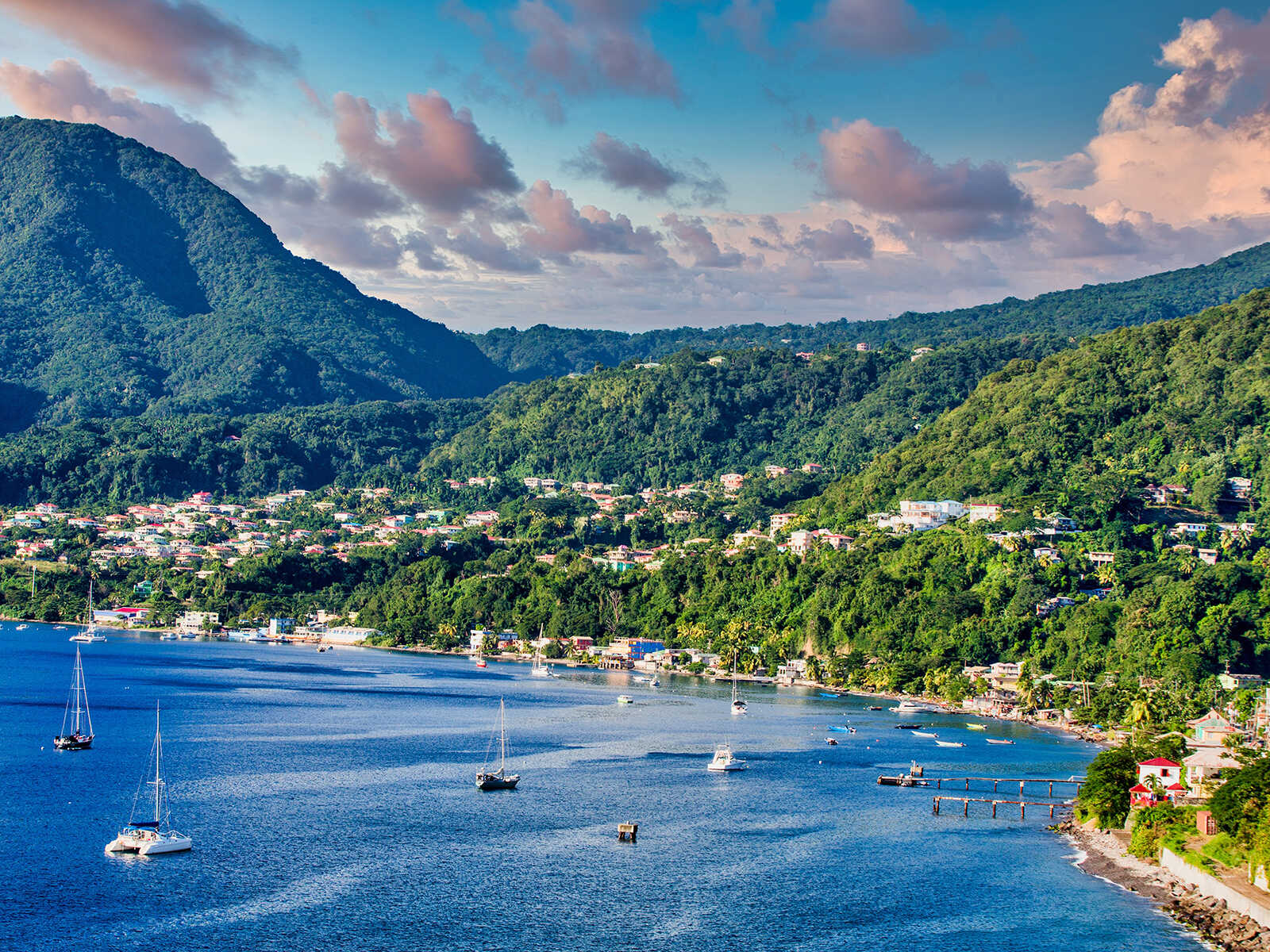
Often called the "Nature Isle of the Caribbean," Dominica boasts a history as rich and rugged as its volcanic landscape. From the enduring legacy of its indigenous people to centuries of colonial struggle and its modern-day commitment to nature, understanding Dominica's past enriches any visit to this captivating island.
The Kalinago Heritage: Dominica's First People
Long before European explorers sighted its shores, Dominica was home to the Kalinago people, formerly known as Caribs. They migrated from South America around the 13th century, establishing vibrant communities across the island. The Kalinago were skilled navigators, farmers, and artisans, renowned for their deep connection to the land and sea. They called their island "Waitukubuli," meaning "tall is her body," a fitting description of its towering peaks and dramatic terrain.
Unlike many other Caribbean islands, Dominica's challenging topography and fierce Kalinago resistance prevented extensive European settlement for centuries. This allowed the Kalinago to retain a significant portion of their ancestral lands and culture, a unique legacy in the region. Today, their descendants reside in the Kalinago Territory on the eastern coast, the last remaining indigenous territory in the Caribbean. A visit to the Kalinago Barana Aute offers an immersive experience into their traditions, crafts, and way of life.
Did you know?The Kalinago language, though now largely dormant, is a powerful symbol of their heritage. Efforts are ongoing to revitalize elements of their ancestral tongue.
European Encounters and Colonial Struggles
Christopher Columbus sighted Dominica on a Sunday in November 1493, hence naming it "Dominica" (Latin for Sunday). However, his "discovery" did not immediately lead to colonization. The island's formidable terrain and the formidable Kalinago people deterred initial attempts at conquest, earning Dominica the nickname "The Wild Island."
Throughout the 17th and 18th centuries, Dominica became a coveted prize in the rivalry between the British and French empires. Its strategic location between the French islands of Martinique and Guadeloupe made it a crucial military outpost. The two powers frequently traded control of the island through treaties and conflicts, leading to a complex cultural blend evident in Dominica's language, cuisine, and customs.
During this period, European powers began establishing plantations, primarily for sugar and coffee, which led to the forced migration of enslaved Africans to the island. Life for the enslaved was brutal, but resistance was constant, with many escaping to form maroon communities in the island's impenetrable interior. The remnants of these colonial struggles can still be explored today.Fort Shirley, an extensive and well-preserved 18th-century British garrison overlooking Prince Rupert Bay, stands as a powerful testament to Dominica's turbulent colonial past and the lives of the soldiers and enslaved laborers who built and maintained it.
The Road to Independence
The 19th century brought significant changes, including the abolition of slavery in the British Empire in 1834. This led to the gradual decline of the plantation economy and the rise of a free peasantry. Over the following decades, Dominica slowly moved towards greater self-governance within the British colonial system. By the mid-20th century, the island participated in various federations, including the West Indies Federation, as Caribbean nations collectively sought greater autonomy.
On November 3, 1978, Dominica achieved full independence from Great Britain, becoming a sovereign nation within the Commonwealth. Patrick John became its first Prime Minister. This new chapter, however, was immediately met with formidable challenges.
Modern Dominica: A Nature Isle Forges Ahead
Just months after gaining independence, Dominica was devastated by Hurricane David in 1979, a powerful Category 5 storm that laid waste to much of the island's infrastructure and agricultural sector. This catastrophic event was a stark reminder of the island's vulnerability to natural disasters, a challenge that continues to shape its development.
Despite these setbacks, Dominica has consistently demonstrated remarkable resilience. Over the decades, the nation has consciously pivoted towards a sustainable development model, emphasizing ecotourism and conservation. Its lush rainforests, volcanic landscapes, and pristine rivers are not just attractions but fundamental to its identity and economy.
Today, Dominica is celebrated globally as the "Nature Isle of the Caribbean," a testament to its unspoiled beauty and commitment to protecting its unique biodiversity. Visitors come to hike to the world-famous Boiling Lake, trek through verdant rainforests to Trafalgar Falls or the serene Emerald Pool, or snorkel and dive among volcanic vents at Champagne Beach.
The island's rich volcanic soil supports vibrant ecosystems and unique natural wonders. Explore the tranquil waters of the Indian River, marvel at the geological formations of Red Rocks, or unwind on the secluded shores of Batibou Beach. At the southern tip,Scotts Head offers breathtaking views where the Caribbean Sea meets the Atlantic Ocean. Even botanical havens like the Papillote Tropical Gardens contribute to the island's natural allure, showcasing its incredible flora.
Resilience and Future Prospects
Dominica faced another immense challenge with Hurricane Maria in 2017, which once again caused widespread destruction. Yet, the spirit of the Dominican people, coupled with international support, has driven a vigorous recovery effort focused on building the world's first climate-resilient nation. This ambitious goal underscores Dominica's dedication to sustainable living and its pioneering role in addressing global environmental challenges.
From its Kalinago roots of self-sufficiency and deep respect for nature to its modern-day endeavors in sustainable development, Dominica's history is a compelling narrative of resilience, cultural preservation, and an unwavering connection to its magnificent natural environment. It's a history that continues to unfold, inviting visitors to be a part of its ongoing story.