
Danish Food Guide: Smørrebrød, Pastries & New Nordic Cuisine
Denmark's culinary scene is a delightful blend of rich tradition and innovative modernity, offering visitors a truly unique gastronomic journey. From iconic open-faced sandwiches to world-renowned pastries and the revolutionary New Nordic Cuisine, Danish food promises a memorable experience for every palate.
A Taste of Tradition: The Enduring Charm of Smørrebrød
Perhaps the most iconic Danish dish,smørrebrød(literally "butter bread") is far more than just an open-faced sandwich. It's an art form, a national institution, and a staple of the Danish lunch table. Built upon a base of dense, dark rye bread (rugbrød) generously buttered, these culinary canvases are then meticulously layered with an array of fresh, high-quality ingredients.
The Anatomy of Smørrebrød
While the combinations are endless, classic smørrebrød often features specific toppings:
- Fish:Pickled herring (sild) is a must-try, often served with curry salad, onions, or capers. Other popular fish options include smoked salmon with dill and horseradish cream, or tiny, sweet shrimp (rejer) with mayonnaise and lemon. For an authentic taste of smoked fish, consider visiting Bornholm, known for its traditional smokehouses.
- Meat:Roast beef (roastbeef) with remoulade, crispy fried onions, and horseradish is a favourite. Liver pâté (leverpostej) with bacon and mushrooms, or slices of seasoned pork with red cabbage, are also common.
- Vegetarian & Cheese:Hard-boiled eggs with mayonnaise and cress, fried potatoes with crispy onions, or various Danish cheeses often topped with radish or fruit.
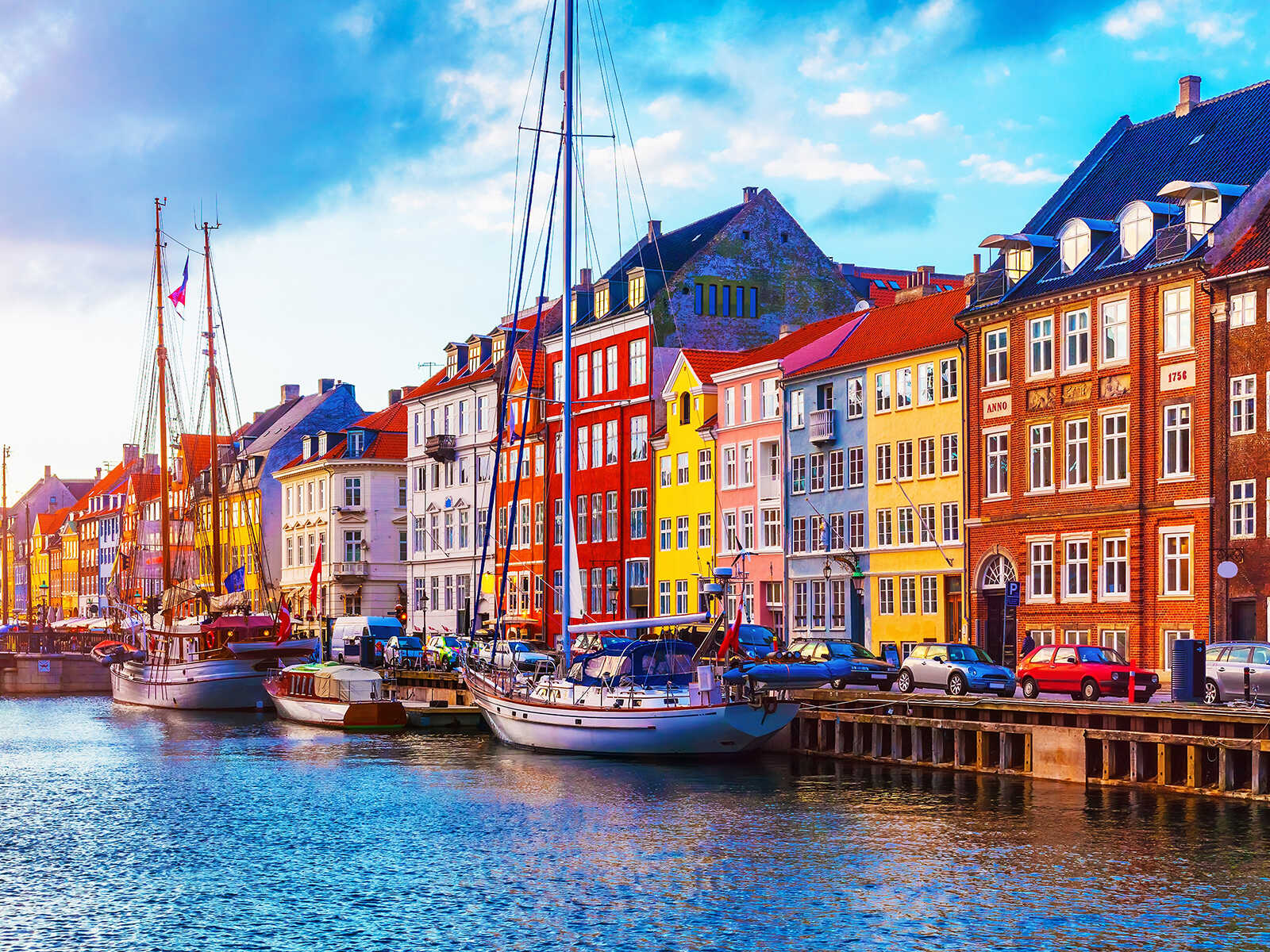
When enjoying smørrebrød, Danes typically eat it with a knife and fork, savouring each layer. There's also an unwritten rule to eat fish before meat. You'll find smørrebrød everywhere, from dedicated lunch restaurants (smørrebrødsrestauranter) to charming cafés and delis, particularly in picturesque areas like Nyhavn in Copenhagen.
Fun Fact:The tradition of smørrebrød dates back centuries, evolving from simple bread and butter into the elaborate culinary creations seen today. It became especially popular in the 19th century as a practical and nutritious lunch for workers.
Sweet Indulgences: Danish Pastries and Baked Goods
Danes have a profound love for all things sweet, and their bakeries (bagerier) are treasure troves of delightful pastries and cakes. A coffee break (kaffepause) is incomplete without a treat.
The Iconic Danish Pastry (Wienerbrød)
Known internationally as the "Danish pastry," in Denmark, it's calledwienerbrød(Viennese bread), acknowledging its Austrian origins. This flaky, buttery pastry is typically filled with fruit jam, marzipan, or a sweet cream (remonce), and often topped with icing and nuts. Enjoying a fresh wienerbrød with a cup of coffee is an essential Danish experience.
Other Beloved Baked Goods
- Tebirkes:A delicious, often flaky pastry roll filled with remonce and topped generously with poppy seeds.
- Snegle:Danish cinnamon buns, softer and often less sweet than their Swedish counterparts, sometimes with a touch of cardamom.
- Kringle:A pretzel-shaped pastry, often filled with marzipan and nuts, traditionally enjoyed at special occasions.
- Rye Bread (Rugbrød):Beyond smørrebrød, different varieties of rugbrød are a breakfast staple, often served with cheese or cold cuts.
Many bakeries also offer various cakes, cookies, and other sweet treats perfect for an afternoon pick-me-up or a festive gathering.
The Culinary Revolution: New Nordic Cuisine
In the early 2000s, a group of influential chefs, primarily from Denmark, spearheaded the New Nordic Cuisine movement. This philosophy emphasizes purity, freshness, simplicity, and ethical practices, focusing on local, seasonal ingredients sourced from the Nordic region.
Key Characteristics of New Nordic Cuisine
- Local & Seasonal:A deep respect for what the land and sea offer at specific times of the year. This means foraging for wild herbs, berries, and mushrooms, and utilizing traditional preservation methods like pickling, smoking, and fermenting.
- Innovation:While rooted in tradition, New Nordic chefs often reinterpret classic dishes with modern techniques and unexpected flavour combinations.
- Sustainability:A strong commitment to reducing waste and sourcing ingredients responsibly, often directly from small-scale producers.
- Terroir:A celebration of the unique flavours and characteristics of the Nordic landscape, from the coastal waters to the vast forests.
This culinary revolution has put Denmark on the global gastronomic map, with Copenhagen boasting numerous Michelin-starred restaurants leading the charge. Even more casual bistros and cafes often incorporate New Nordic principles into their menus, making it accessible to a wider audience. Exploring Denmark's food scene means appreciating both its historical dishes and its cutting-edge culinary innovations.
Beyond the Big Three: Other Danish Delights
While smørrebrød, pastries, and New Nordic cuisine dominate, Denmark offers many other delicious experiences:
- Pølser (Hot Dogs):A beloved street food, especially the bright redrøde pølser, often served from hot dog stands (pølsevogne) with a variety of toppings like crispy fried onions, pickles, and mustard. A perfect quick snack when exploring sights like Tivoli Gardens.
- Frikadeller:Traditional Danish meatballs, typically made from pork (or a mix of pork and veal), pan-fried and served with potatoes and gravy or remoulade.
- Stegt Flæsk med Persillesovs:Denmark's national dish – crispy fried pork belly served with boiled potatoes and a creamy parsley sauce. Hearty and incredibly satisfying.
- Rødgrød med fløde:A delightful red berry pudding, usually made with redcurrants, raspberries, and blackberries, served cold with fresh cream.
- Akvavit:A traditional Scandinavian spirit, often flavoured with caraway or dill, typically enjoyed chilled with traditional meals.
Practical Tips for Eating in Denmark
- Reservations:For dinner, especially at popular restaurants or those serving New Nordic Cuisine, it's highly recommended to book a table in advance.
- Meal Times:Lunch is typically from noon to 2 PM, while dinner usually starts around 6 PM and extends to 9 PM.
- Tipping:Service charges are usually included in the bill, so tipping is not strictly mandatory. However, rounding up the bill or leaving a small amount for excellent service is always appreciated.
- Budget-Friendly Options:Supermarkets offer a great range of fresh produce, ready-made meals, and, of course, ingredients for your own smørrebrød. Bakeries are excellent for breakfast and lunch.
From the time-honoured traditions of smørrebrød and comforting pastries to the avant-garde creations of New Nordic Cuisine, Denmark offers a culinary landscape that is both rich in history and excitingly modern. Be sure to arrive with an appetite and an open mind to fully savour the flavours of this Nordic gem.