
Prague Castle: Complete Guide + Skip-the-Line Tips
Dominating the Prague skyline,Prague Castle is not just a single fortress, but a vast complex of palaces, churches, and gardens, representing over a thousand years of Czech history. This comprehensive guide provides everything you need to know for an unforgettable visit, including essential tips to bypass long queues.
A Brief History of Prague Castle
Founded in the 9th century,Prague Castle has served as the seat of Bohemian kings, Holy Roman Emperors, and presidents of Czechoslovakia and the Czech Republic. It is recognized by the Guinness Book of Records as the largest ancient castle in the world, stretching an impressive 570 meters in length and about 130 meters in width. Over centuries, various rulers added their own architectural styles, resulting in a fascinating blend of Romanesque, Gothic, Renaissance, and Baroque elements.
From its humble beginnings as a wooden fortress, it transformed into a magnificent stone complex. Key periods of construction and expansion include the reign of Charles IV in the 14th century, which saw the start of St. Vitus Cathedral, and later, the Hapsburgs and their Baroque additions. Today, it remains a vibrant cultural and political center, a true testament to the enduring spirit of the Czech Republic.
What to See Inside Prague Castle
The sheer size of the castle complex means there's a lot to explore. Here are the main attractions you won't want to miss:
St. Vitus Cathedral
The spiritual heart of the Prague Castle, St. Vitus Cathedral is a masterpiece of Gothic architecture. Its soaring spires, intricate gargoyles, and stunning stained-glass windows are breathtaking. Inside, marvel at the opulent St. Wenceslas Chapel, the tomb of St. John of Nepomuk, and the grand Royal Mausoleum. Climbing the Great South Tower offers panoramic views of Prague.
Old Royal Palace
Once the residence of Bohemian princes and kings, the Old Royal Palace is famous for the vast Vladislav Hall, an impressive space used for coronations, banquets, and even jousting tournaments. Don't miss the Bohemian Chancellery, the site of the Second Defenestration of Prague in 1618, an event that sparked the Thirty Years' War.
St. George's Basilica
The oldest surviving church building within Prague Castle, St. George's Basilica dates back to the 10th century. Its Romanesque architecture, with thick walls and small windows, provides a stark contrast to the grandeur of St. Vitus Cathedral. The interior houses tombs of Bohemian rulers and beautiful frescoes.
Golden Lane with Daliborka Tower
A charming street lined with tiny, colorful houses, Golden Lane was originally built for the castle guards and goldsmiths. Legend has it that alchemists also sought to turn base metals into gold here. Today, these miniature homes house small shops and exhibitions, including house number 22, where Franz Kafka briefly lived. At the end of the lane stands Daliborka Tower, a former prison.
Rosenberg Palace & Lobkowicz Palace
The Rosenberg Palace offers a glimpse into the lavish lifestyle of noblewomen. Meanwhile, the Lobkowicz Palace, the only privately owned building within the castle complex, houses a remarkable collection of art, musical instruments, and historical artifacts from the influential Lobkowicz family.
Royal Garden & Southern Gardens
Escape the crowds in the peaceful Royal Garden, home to the Renaissance Ball Game Hall and the Royal Summer Palace (Belvedere). The Southern Gardens (Paradise Garden, Garden on the Ramparts, Hartig Garden) offer stunning views over the Malá Strana district and the Vltava River, making them perfect for a leisurely stroll.
Planning Your Visit: Essential Tips
Navigating Prague Castle can be overwhelming without a plan. Here's how to make the most of your trip:
Choosing Your Ticket
The castle complex has various ticket circuits (e.g., Circuit A, B, C), each covering different combinations of attractions. Circuit A usually includes St. Vitus Cathedral, Old Royal Palace, St. George's Basilica, Golden Lane, and Rosenberg Palace, offering the most comprehensive experience. Circuit B typically covers the main highlights like the Cathedral, Old Royal Palace, St. George's Basilica, and Golden Lane. Consider what you want to see most before purchasing. Note that some areas, like the castle grounds and certain gardens, can be explored without a ticket.
Skip-the-Line Strategies
- Purchase Tickets Online:The most effective way to save time is to buy your tickets in advance through the official Prague Castle website or authorized tour operators. This allows you to bypass the main ticket queues, which can be considerable, especially during peak season.
- Arrive Early or Late:Aim to be at the gates right at opening time (usually 9:00 AM) or a few hours before closing. The midday hours are the busiest.
- Consider a Guided Tour:Many reputable tour companies offer guided tours that include pre-booked tickets and often separate, faster entry points. This not only saves time but also provides valuable historical context.
- Use Alternative Entrances:While most visitors enter through the main western gate (Hradčanské náměstí), consider entering via the North Gate near the Royal Garden (Prašný most) or the east gate (Na Opyši) for potentially shorter security lines, especially if you're coming from the Charles Bridge direction.
Expert Tip:Even with pre-booked tickets, you'll still need to go through security checks. Pack light to expedite this process.
Best Time to Visit
Weekdays are generally less crowded than weekends. Spring (April-May) and autumn (September-October) offer pleasant weather and fewer tourists than the summer months. If visiting in summer, aim for early mornings or late afternoons.
How to Get There
The castle is easily accessible by public transport. Take tram 22 to Pražský hrad (for the main entrance) or Pohořelec (for a downhill walk through the castle complex). The Malostranská metro station is also within walking distance, leading you up through the Old Castle Stairs with stunning views.
Security Checks and Accessibility
Be prepared for airport-style security checks at all entrances. Large bags may need to be checked. The castle complex involves a lot of walking on cobblestones and up inclines, which can be challenging for those with mobility issues or strollers. While some areas are accessible, it's best to check the official website for specific accessibility information.
Beyond the Walls: Exploring the Castle District (Hradčany)
The area surrounding Prague Castle, known as Hradčany, is worth exploring. Discover the Loreto pilgrimage site with its beautiful Baroque architecture and carillon, or visit the Strahov Monastery, home to a magnificent historic library.
Making the Most of Your Prague Trip
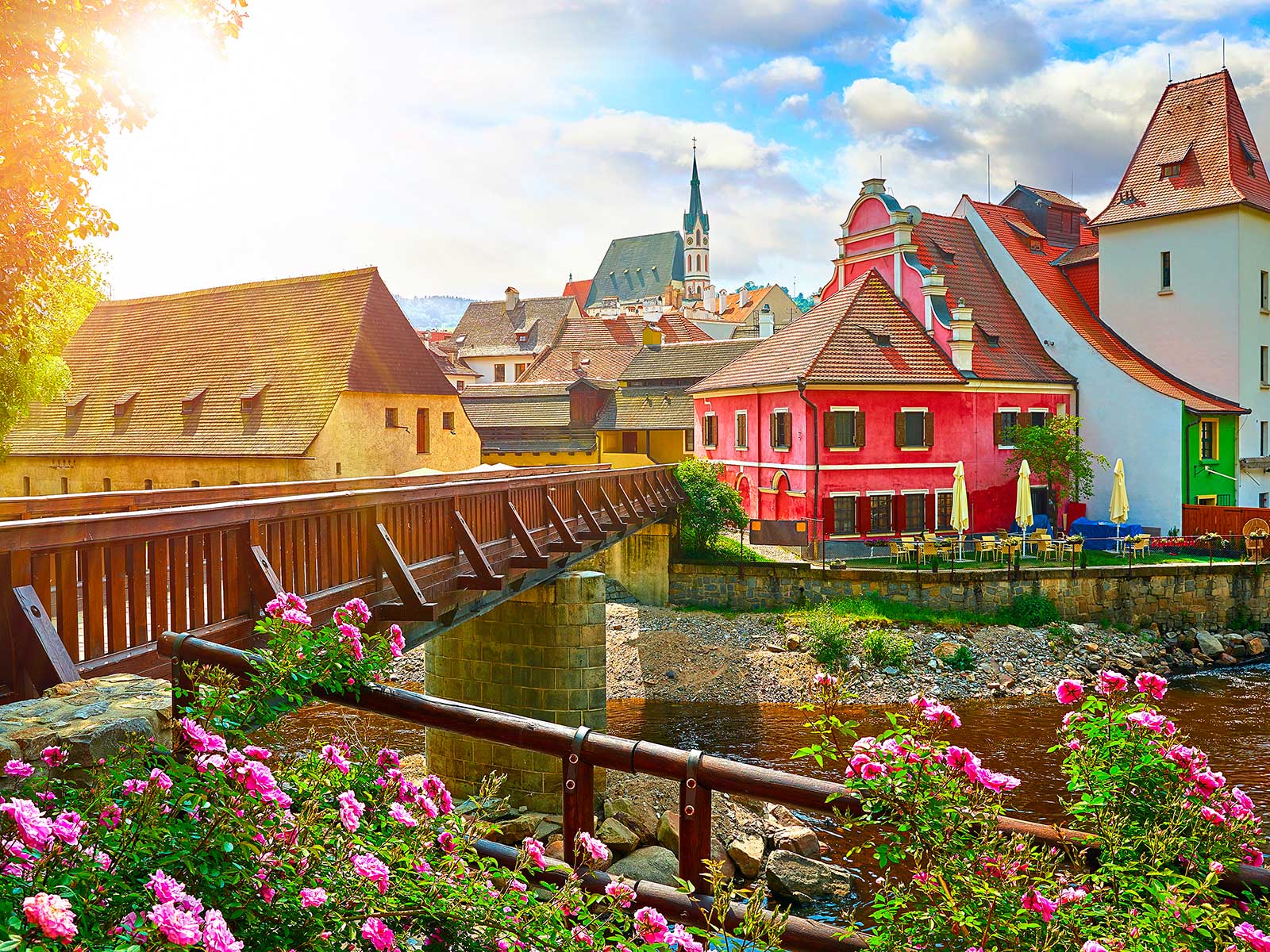
While Prague Castle is a highlight, the Czech Republic offers many other incredible experiences. Consider a day trip to the medieval silver mining town of Kutná Hora to see the Sedlec Ossuary, or explore the perfectly preserved fairy-tale town of Český Krumlov. For another impressive castle experience, the majestic Karlštejn Castle is just a short journey from Prague.
A visit to Prague Castle is an immersive journey through history, architecture, and culture. By planning ahead and utilizing these skip-the-line tips, you can ensure a smooth and memorable experience at this iconic Czech landmark.