
Top Things to Do in Santiago de Cuba: Culture, History & Caribbean Vibes
Nestled on Cuba's southeastern coast, Santiago de Cuba pulsates with a vibrant energy distinct from its western counterparts. As the island's second-largest city, it’s a captivating blend of rich history, deep-rooted Afro-Cuban culture, and undeniable Caribbean charm, offering an authentic Cuban experience unlike any other.
Often called the "Hero City" for its pivotal role in Cuban history, Santiago de Cuba is a place where every street corner tells a story, and the air is alive with the rhythms of son and rumba. From its revolutionary past to its lively festivals, a visit here is an immersive journey into the soul of Cuba. Get ready to explore colonial architecture, significant historical sites, and a thriving music scene that will have you tapping your feet.
A Journey Through History: Revolutionary Echoes and Colonial Grandeur
Santiago de Cuba's historical significance is immense, serving as the first capital of Cuba and the birthplace of the Cuban Revolution. Walking its hilly streets is like stepping into a living museum.
Parque Céspedes and the Heart of the City
Begin your exploration at Santiago de Cuba's central hub, Parque Céspedes. This bustling square is flanked by important buildings, including the majestic Catedral de Nuestra Señora de la Asunción and the colonial Palacio de Gobierno. It's the perfect spot to people-watch, soak in the atmosphere, and observe daily Cuban life unfold.
Dominating one side of Parque Céspedes is the Santiago de Cuba Cathedral, an impressive structure that has been rebuilt multiple times after earthquakes. Its twin towers and ornate interior are a testament to centuries of faith and resilience.
Casa de Diego Velázquez: Cuba's Oldest House
Just off Parque Céspedes, you'll find the Casa de Diego Velázquez, considered the oldest standing house in Cuba, dating back to 1516. This beautifully preserved colonial mansion offers a fascinating glimpse into early Spanish architecture and lifestyle. It once served as the residence of Cuba's first governor, Diego Velázquez, and now houses a museum showcasing period furnishings and artifacts. It's a striking contrast to the more modern revolutionary sites found elsewhere in the city, offering a connection to the island's very beginnings, much like the colonial streets of Trinidad de Cuba or Havana Old Town.
Moncada Barracks: The Spark of Revolution
No historical tour of Santiago de Cuba is complete without a visit to the Moncada Barracks (Cuartel Moncada). This military fortress was the site of a pivotal attack led by Fidel Castro on July 26, 1953, a date that marked the beginning of the Cuban Revolution. Today, part of the barracks houses the Museo del 26 de Julio, detailing the events of the attack and the subsequent revolutionary struggle. The bullet holes still visible on the walls serve as a stark reminder of its significance, a powerful parallel to revolutionary sites in Santa Clara.
Cementerio Santa Ifigenia: A National Pantheon
Pay your respects at Cementerio Santa Ifigenia, a national monument and one of the most important cemeteries in Cuba. It is the final resting place of many revered Cuban figures, including national hero José Martí, whose mausoleum is guarded by a changing of the guard ceremony every 30 minutes. Fidel Castro, Compay Segundo (Buena Vista Social Club), and other prominent revolutionaries and artists are also buried here. It’s a place of solemn beauty and profound historical importance.
The Soul of Cuba: Music, Dance & Afro-Caribbean Heritage
Santiago de Cuba is widely considered the cradle of many traditional Cuban music genres, including son and bolero. Its strong Afro-Cuban roots infuse every aspect of its culture with vibrant rhythms and spiritual depth.
Casa de la Trova: Live Music at its Best
For an authentic taste of Cuban music, head to the legendary Casa de la Trova. This iconic venue is a must-visit for anyone eager to experience live son, trova, and other traditional Cuban rhythms. Nightly performances by local musicians create an electric atmosphere, making it one of the best places to dance, enjoy a drink, and feel the true spirit of Santiago de Cuba.
Santiago de Cuba Carnival: A Spectacular Celebration
If your visit coincides with July, you're in for a treat: the Santiago de Cuba Carnival. This vibrant, spectacular festival is the most famous and largest carnival in Cuba, showcasing an explosion of color, music, dance, and elaborate costumes. Rooted in Afro-Cuban traditions, it's an unforgettable experience that perfectly encapsulates the city's festive spirit and cultural richness. While specific dates vary, it's typically held towards the end of July.
"Santiago de Cuba's Carnival is not just a party; it's a profound cultural expression, a dazzling display of the city's mixed heritage and irrepressible joy."
Exploring Afro-Cuban Culture
Beyond formal venues, you'll find the influence of Afro-Cuban culture everywhere – from street performances and spontaneous dance parties to religious practices like Santería. Seek out local cultural centers or simply wander the streets, especially in neighborhoods like Tivolí, to witness the everyday rhythms and traditions that define Santiago.
Coastal Views and Spiritual Sanctuaries
Beyond its urban core,Santiago de Cuba offers stunning coastal views and significant spiritual sites, blending history with the natural beauty of the Caribbean.
El Morro Castle (San Pedro de la Roca): A UNESCO World Heritage Site
Perched dramatically on a cliff overlooking the bay, El Morro Castle (Castillo de San Pedro de la Roca) is a magnificent 17th-century fortress, recognized as a UNESCO World Heritage site. Built to protect the city from pirate attacks, its intricate design and strategic location offer breathtaking panoramic views of the Caribbean Sea and the entrance to Santiago de Cuba Bay. Explore its ramparts, dungeons, and the small museum inside for a fascinating look at colonial military architecture. Catching the sunset here is an unforgettable experience.
Basílica Santuario Nacional de Nuestra Señora de la Caridad del Cobre
A short drive outside the city, nestled in the Sierra Maestra foothills, is the Basílica del Cobre, Cuba's most important religious pilgrimage site. Dedicated to La Virgen de la Caridad del Cobre (Our Lady of Charity of El Cobre), Cuba's patron saint, this basilica is a place of deep spiritual significance for both Catholics and followers of Santería, where the Virgin is syncretized with the Orisha Ochún. The basilica's vibrant yellow façade and serene location make it a moving place to visit, offering insight into the spiritual heart of the Cuban people.
Relaxing by the Caribbean Sea
While Santiago de Cuba is primarily known for its culture and history, the nearby coastline offers opportunities to enjoy the Caribbean Sea. Local beaches, though not as famous as those near Varadero or the stunning cays like Cayo Jutía beach, provide a refreshing escape. Ask locals for recommendations on accessible spots to cool off and enjoy the tropical waters.
Savoring Santiago: Food, Exploration & Practical Tips
To truly experience Santiago de Cuba, immerse yourself in its daily life, from its culinary offerings to simply wandering its vibrant streets.
Wandering the Streets and Local Flavors
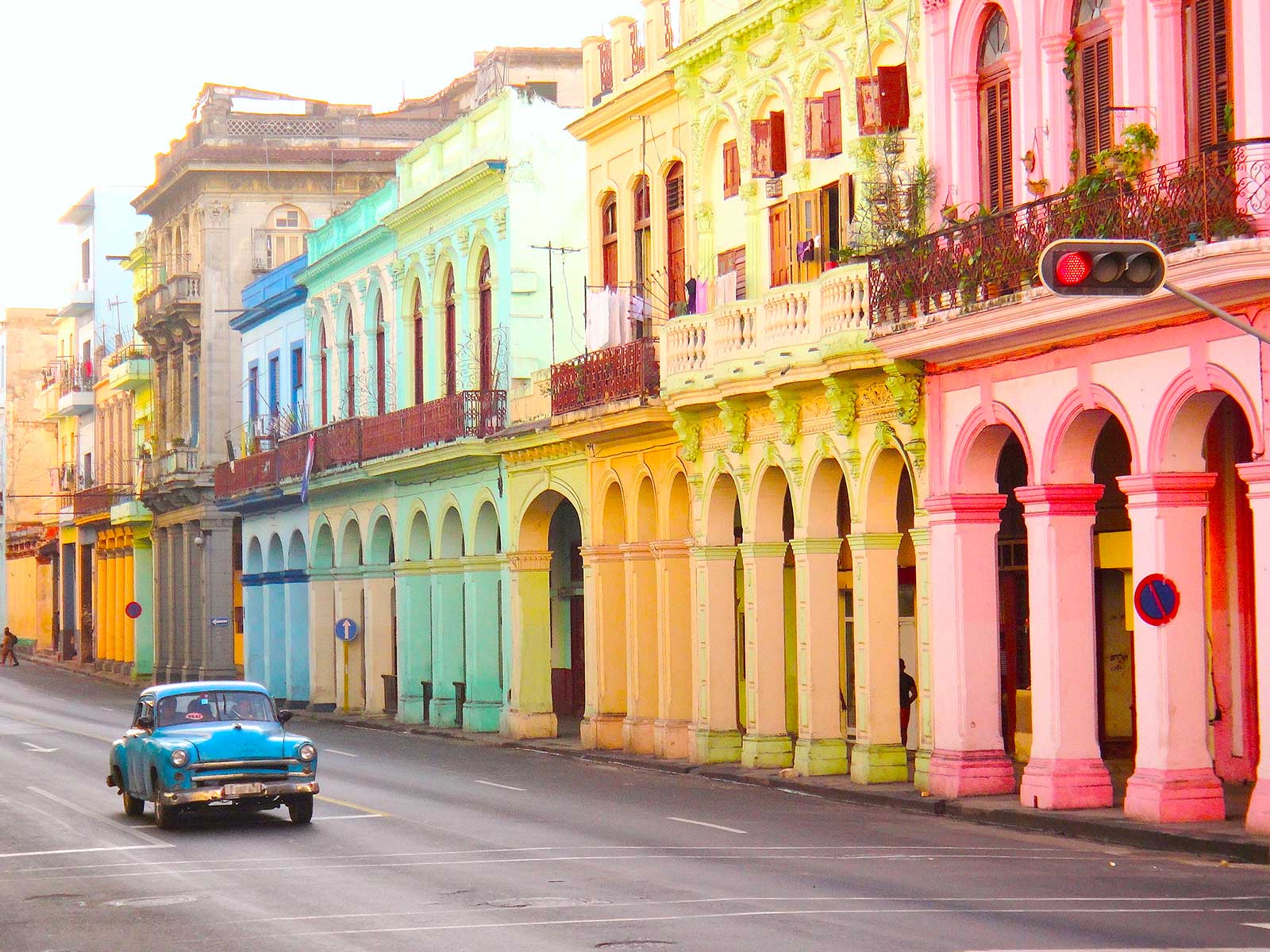
Take time to simply wander the hilly, winding streets, observing the daily life, the colorful architecture, and the spontaneous music that often spills from doorways. Engage with locals; Santiagueros are known for their warmth and hospitality. Explore local markets for fresh produce and artisan crafts. When it comes to food, seek out traditional Cuban fare in local paladares and state-run restaurants. Don't miss trying local specialties, often featuring robust flavors and fresh seafood.
Getting Around
Santiago is a city best explored on foot, especially the central areas. For longer distances or to navigate the hills, coco taxis, regular taxis, or even horse-drawn carriages are readily available. Public transport can be crowded but offers an authentic local experience.
When to Visit
The dry season, from November to April, offers pleasant weather for exploration. However, visiting in July allows you to experience the spectacular Carnival, despite the hotter and more humid conditions. Be prepared for tropical weather year-round.
Embrace the Spirit of Santiago
Santiago de Cuba is more than just a destination; it's an experience that captivates the senses and stirs the soul. Its rich tapestry of history, pulsating musical heritage, and warm, resilient people make it an essential stop for anyone seeking to understand the true essence of Cuba. From revolutionary monuments to lively dance halls, and from majestic fortresses to spiritual sanctuaries,Santiago de Cuba promises an unforgettable journey into the heart of the Caribbean's most fascinating island. Prepare to be swept away by its unique charm and vibrant energy.