
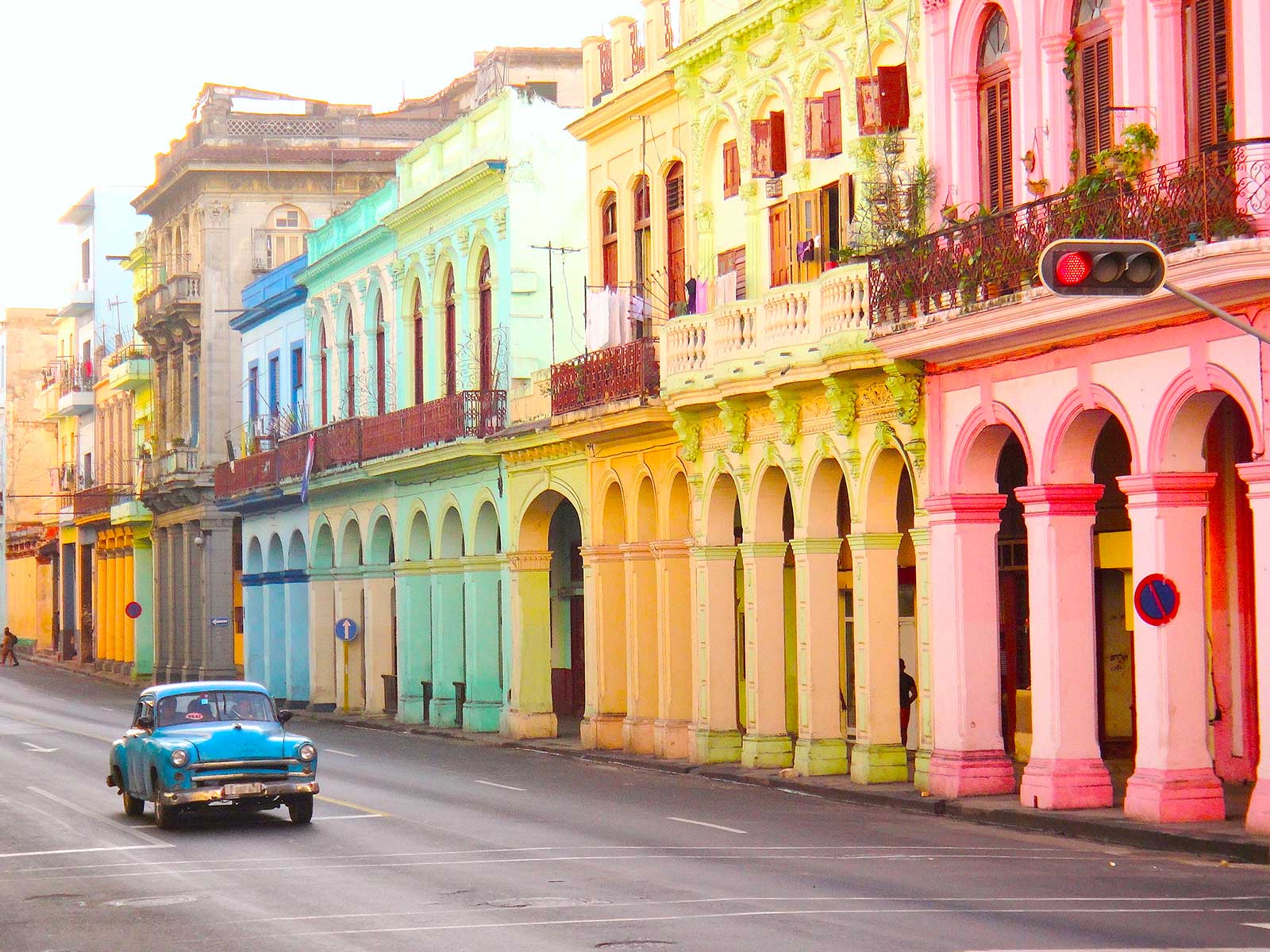
Responsible Tourism in Cuba: Tips for Sustainable Travel
Cuba, with its vibrant culture, stunning natural landscapes, and resilient spirit, offers an unparalleled travel experience. As visitors, we have a unique opportunity and responsibility to ensure our adventures contribute positively to this extraordinary island. Embracing responsible tourism means making conscious choices that benefit local communities, respect cultural heritage, and protect Cuba's precious environment for generations to come.
Why Responsible Travel Matters in Cuba
Cuba's unique socio-economic structure means that tourism can have a profound impact, both positive and negative. Unlike many destinations, a significant portion of the tourism infrastructure is state-owned. However, the burgeoning private sector – from private guesthouses to small restaurants and independent guides – provides direct income opportunities for Cuban families. By choosing to support these local enterprises, travelers can directly empower individuals and foster sustainable economic development. Furthermore, Cuba boasts incredible biodiversity, from pristine beaches like Cayo Jutía beach and the idyllic sands of Playa Paraiso to the lush valleys of Viñales Valley and rich marine ecosystems, all of which require careful preservation.
Empowering Locals: Where to Stay, Eat, and Shop
One of the most impactful ways to practice responsible tourism in Cuba is by directing your spending towards local, private enterprises. This ensures your money directly supports Cuban families and their communities.
Stay in Casas Particulares
Forget the impersonal hotels;casas particulares(private homes offering rooms for rent) are the heart of responsible accommodation in Cuba. Staying in acasa particularprovides an authentic cultural immersion, allowing you to interact directly with Cuban families, learn about their daily lives, and often enjoy delicious home-cooked meals. You'll find charmingcasasin every corner of the island, from the bustling streets of Havana Old Town to the colonial elegance of Trinidad de Cuba and the laid-back vibe of Cienfuegos.
Dine at Paladares
Similarly,paladaresare privately owned restaurants that have blossomed across Cuba. These establishments range from simple, family-run eateries to sophisticated gourmet spots, all offering authentic Cuban cuisine. By choosingpaladaresover state-run restaurants, you're directly contributing to local entrepreneurship and experiencing the true flavors of Cuba.
Buy Local Crafts and Services
Support local artisans by purchasing souvenirs directly from them at markets or workshops. Look for handmade items like intricate lace, wooden carvings, or local artwork. Beyond tangible goods, consider hiring local guides for excursions – whether it's a walking tour through Santa Clara's historical sites or a horseback ride through the tobacco fields of Viñales Valley. Their knowledge and insights are invaluable, and your patronage directly benefits them.
Embracing Cuban Culture and Protecting its Natural Beauty
Cuba's rich cultural heritage and stunning natural environment are its greatest assets. Responsible travelers strive to respect both.
Cultural Sensitivity and Etiquette
Cubans are known for their warmth and hospitality. A few simple gestures can go a long way:
- Learn Basic Spanish:Even a few phrases like "Hola," "Gracias," and "Por favor" will be greatly appreciated and enhance your interactions.
- Dress Modestly:While beach towns are casual, when visiting cities, churches, or homes, modest attire is respectful.
- Ask Before Photographing:Always ask permission before taking photos of people, especially children. A polite "Puedo tomar una foto?" (Can I take a photo?) goes a long way.
- Understand Tipping:Tipping is appreciated for good service inpaladares,casas particulares, and for guides/drivers.
"Travel is fatal to prejudice, bigotry, and narrow-mindedness, and many of our people need it sorely on these accounts. Broad, wholesome, charitable views of men and things cannot be acquired by vegetating in one little corner of the earth all one's lifetime." — Mark Twain. This sentiment resonates deeply in Cuba, where open-mindedness enriches every interaction.
Environmental Stewardship
Cuba is home to incredible biodiversity, from the coral reefs of Jardines De La Reina to the pristine beaches of Playa Sirena. Help preserve it:
- Minimize Waste:Reduce single-use plastics. Carry a reusable water bottle and shopping bag. Dispose of trash properly; littering is a significant issue in some areas.
- Conserve Resources:Water and electricity can be precious. Turn off lights and air conditioning when leaving your room, and be mindful of water usage.
- Respect Wildlife:Do not disturb animals or remove natural souvenirs like shells or coral. If visiting natural attractions like El Nicho Waterfalls, stick to marked paths.
- Choose Sustainable Tours:Opt for tour operators who prioritize eco-friendly practices and local employment, especially for activities like diving in the Bay of Pigs or exploring the unique ecosystems around Baracoa.
Navigating Interactions and Practicalities Responsibly
Beyond general principles, a few specific considerations can enhance your responsible travel experience.
Thoughtful Giving
While intentions are good, indiscriminately handing out gifts, especially to children, can foster a begging culture. If you wish to donate, consider supporting local schools, clinics, or community projects directly through established organizations. Better yet, purchase needed items locally to boost the Cuban economy. For example, school supplies bought in a Cuban store directly benefit a Cuban business.
Transportation Choices
Embrace local transportation. Shared taxis (almendrones) are a common and economical way to travel between cities and offer a chance to interact with locals. For shorter distances in cities like Santiago de Cuba or Trinidad de Cuba, walking, cycling, or using abicitaxi(bicycle taxi) is eco-friendly and provides a more immersive experience.
Avoid Exploitative Tourism
Be wary of any activities that exploit animals or people. This includes certain types of street performances or animal interactions that seem unnatural or harmful. Always prioritize ethical encounters that respect the dignity and welfare of all involved.
Support Emerging Destinations
While popular spots like Varadero attract many, consider exploring lesser-known gems. Places like Playa Jibacoa offer beautiful coastal experiences with a more local feel, helping to distribute tourism benefits more widely across the island.
Your Impact, Your Journey
Responsible tourism in Cuba isn't just about following rules; it's about fostering genuine connections and leaving a positive footprint. By consciously choosing where to stay, what to eat, how to travel, and how to interact, you contribute to a more sustainable and equitable tourism model. Your journey through Cuba can be more than just a vacation; it can be an enriching exchange that benefits both you and the incredible people and landscapes of this captivating island.
Embrace the vibrant culture, savor the unique flavors, and marvel at the natural wonders, all while knowing you're traveling responsibly.¡Buen viaje!(Have a good trip!)