
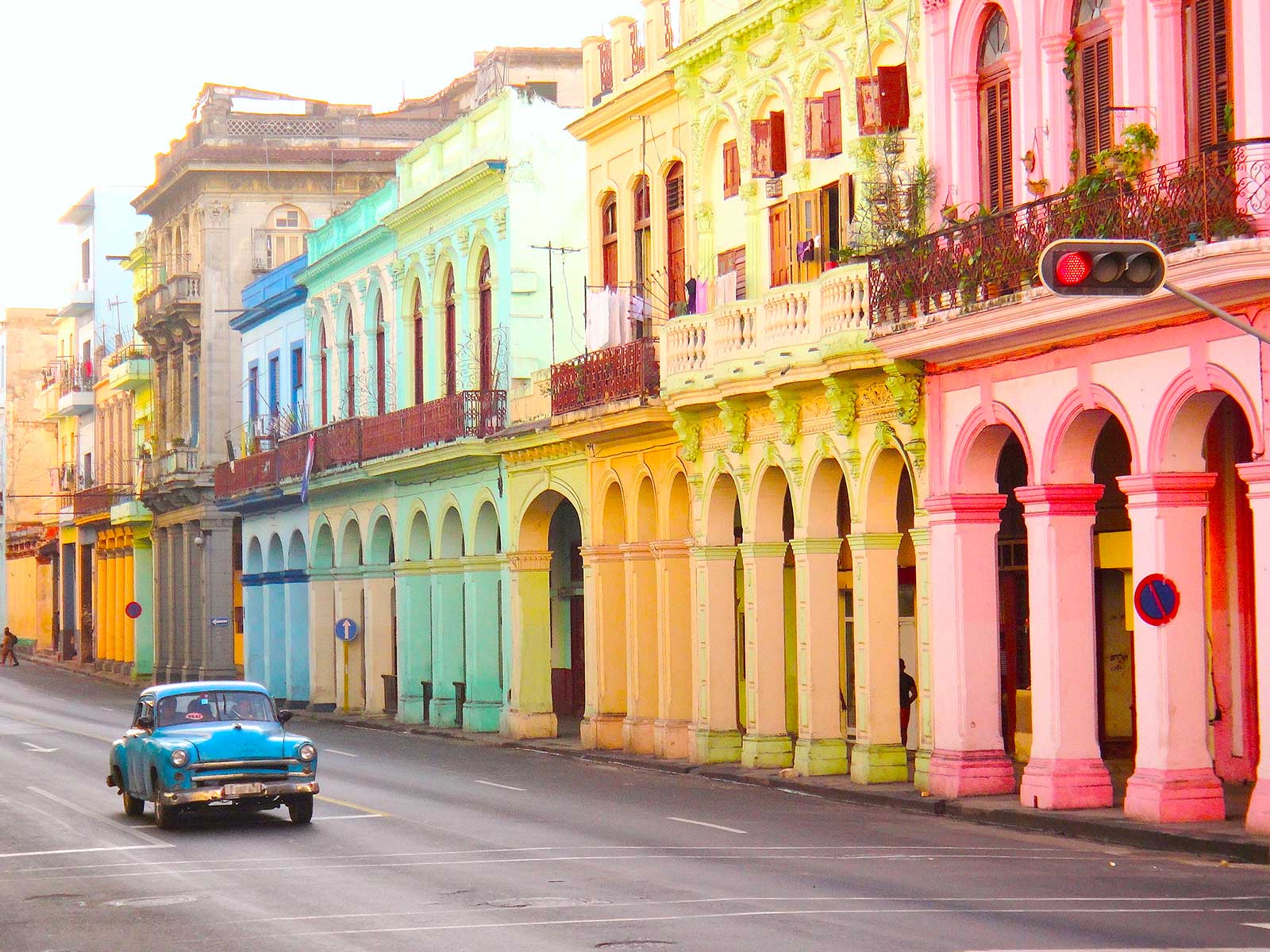
Must-Try Cuban Food: A Culinary Journey Through Island Flavors
Embark on a delectable adventure through Cuba, where every dish tells a story of rich history, diverse influences, and vibrant island spirit. Cuban cuisine is a soulful blend of Spanish, African, and Caribbean traditions, resulting in flavors that are both comforting and exhilarating. Prepare your palate for an unforgettable culinary journey.
The Heart of Cuban Cooking: Staples and Influences
At its core, Cuban food is about fresh ingredients, slow cooking, and robust flavors. Staples like rice, beans, pork, chicken, and root vegetables form the foundation of most meals. The Spanish brought olive oil, garlic, and onions, while African slaves introduced plantains, yuca, and cooking techniques that define the island's unique taste profile. The Caribbean influence adds a tropical touch with various fruits and spices.
Signature Savories: Main Dishes You Can't Miss
Ropa Vieja: The Shredded Classic
Perhaps the most iconic Cuban dish,Ropa Viejatranslates to "old clothes," referring to the shredded appearance of the beef. Flank steak is slow-cooked until incredibly tender, then shredded and simmered in a rich tomato-based sauce with bell peppers, onions, and garlic. It's a dish that embodies comfort and tradition, often served with white rice and black beans.
Lechón Asado: The Roast Pork Perfection
A celebratory dish,Lechón Asadois succulent roast pork, often marinated for hours in a potent mix of garlic, sour orange, oregano, and cumin. Whether slow-roasted in an oven or, for special occasions, cooked whole in a pit (caja china), the result is incredibly tender meat with crispy, flavorful skin. You'll find excellent versions in cities like Havana Old Town and Trinidad de Cuba.
Moros y Cristianos (or Congrí): Rice and Beans Reimagined
No Cuban meal is complete without its side of rice and beans.Moros y Cristianos(Moors and Christians) features black beans cooked together with white rice, often seasoned with garlic, onion, and bay leaf. A close cousin,Congrí, uses red beans and can sometimes include small pieces of pork. These humble but essential dishes are the soul of Cuban home cooking.
Yuca con Mojo: Cassava with Garlic Sauce
Yuca, or cassava, is a starchy root vegetable similar to a potato. In Cuba, it's typically boiled until tender and then drizzled withMojo, a vibrant sauce made from garlic, sour orange juice, and olive oil. It's a simple yet incredibly flavorful side dish that complements almost any main course.
Tostones and Maduros: Plantain Powerhouses
Plantains are a cornerstone of Cuban cuisine, enjoyed at various stages of ripeness:
- Tostones:Green (unripe) plantains are sliced, fried, smashed flat, and then fried again until crispy and golden. They're savory and often served with a sprinkle of salt or a side of mojo.
- Maduros:Ripe plantains, naturally sweet, are sliced and fried until caramelized. Their soft, sweet texture makes them a perfect counterpoint to savory main dishes.
Traveler Tip:While dining in Cuba, don't be afraid to try local paladares (privately-owned restaurants). They often offer some of the most authentic and delicious home-style Cuban cooking.
Street Food and Snacks: Quick Bites on the Go
Cuban Sandwich (Sandwich Cubano): The Ultimate Press
While its origins are debated, the Cuban sandwich is a global icon. Typically featuring roasted pork, ham, Swiss cheese, pickles, and mustard, all pressed between two slices of crusty Cuban bread until hot and melty. Variations exist, with some adding salami, particularly in the US. Look for them in bustling areas of Havana Old Town.
Croquetas: Creamy, Crispy Bites
These small, fried fritters are a popular snack. Made with a thick béchamel base, they can be filled with ham, chicken, or fish, breaded, and deep-fried until golden and crispy on the outside, creamy on the inside.
Pizza Cubana: A Unique Twist
Cuban pizza is distinct! Often featuring a thicker, doughy crust, a sweet tomato sauce, and generous amounts of cheese, sometimes with a fried egg on top. It's a beloved local fast food, especially in cities like Santa Clara.
Sweet Endings: Desserts to Delight
Flan: Creamy Caramel Custard
A classic across Latin America, Cuban flan is a rich, creamy custard topped with a glistening layer of caramel. It's the perfect light and sweet end to any meal.
Arroz con Leche: Sweet Rice Pudding
This comforting dessert is made from rice cooked slowly with milk, sugar, cinnamon, and sometimes a hint of lemon zest. Served chilled, it’s a simple yet satisfying treat.
Guava Paste with Cheese (Casco de Guayaba con Queso): A Sweet & Savory Pairing
A uniquely Cuban pairing, a slice of sweet, dense guava paste (casco de guayaba) served with a slice of mild, often white, cheese creates a delightful contrast of flavors and textures.
Refreshing Sips: Cuban Drinks
Mojito: The Iconic Cocktail
Originating in Cuba, the Mojito is a refreshing blend of white rum, muddled fresh mint, lime juice, sugar, and soda water. It's a must-try, especially on a warm evening in places like Havana Old Town or Varadero.
Daiquirí: Another Cuban Original
While often associated with frozen versions, the classic Daiquirí is a simple, elegant mix of white rum, lime juice, and sugar. Ernest Hemingway was famously fond of the version at El Floridita in Havana.
Café Cubano: The Potent Pick-Me-Up
Cuban coffee is a strong, sweet espresso shot, often served in small cups (tacitas). The first few drops of espresso are vigorously mixed with sugar to create a rich, frothy foam calledespumita. It's a social ritual and an essential part of daily life.
Guarapo: Natural Sugarcane Juice
For a refreshing non-alcoholic option, tryGuarapo, freshly pressed sugarcane juice. It's sweet, earthy, and often served over ice with a squeeze of lime, perfect for cooling down on a hot day, perhaps after exploring the Vinales Valley.
Dining Experiences Across the Island
Whether you're exploring the historic streets of Santiago de Cuba, relaxing on the pristine sands of Playa Paraiso, or marveling at the natural beauty of El Nicho Waterfalls, authentic Cuban food is never far away. From bustling state-run restaurants to charming family-ownedpaladares, each offers a glimpse into the island's culinary soul. Don't hesitate to ask locals for their recommendations; they often lead to the most memorable meals.
Conclusion
Cuban cuisine is a vibrant tapestry of flavors, a testament to its rich history and diverse cultural influences. From the savory depths of Ropa Vieja to the refreshing tang of a Mojito, every bite and sip offers a deeper connection to this captivating island. So, pack your appetite and prepare for a culinary journey that will linger long after your return home.