
Is Cuba Safe for Tourists? Essential Safety Tips for Your Trip
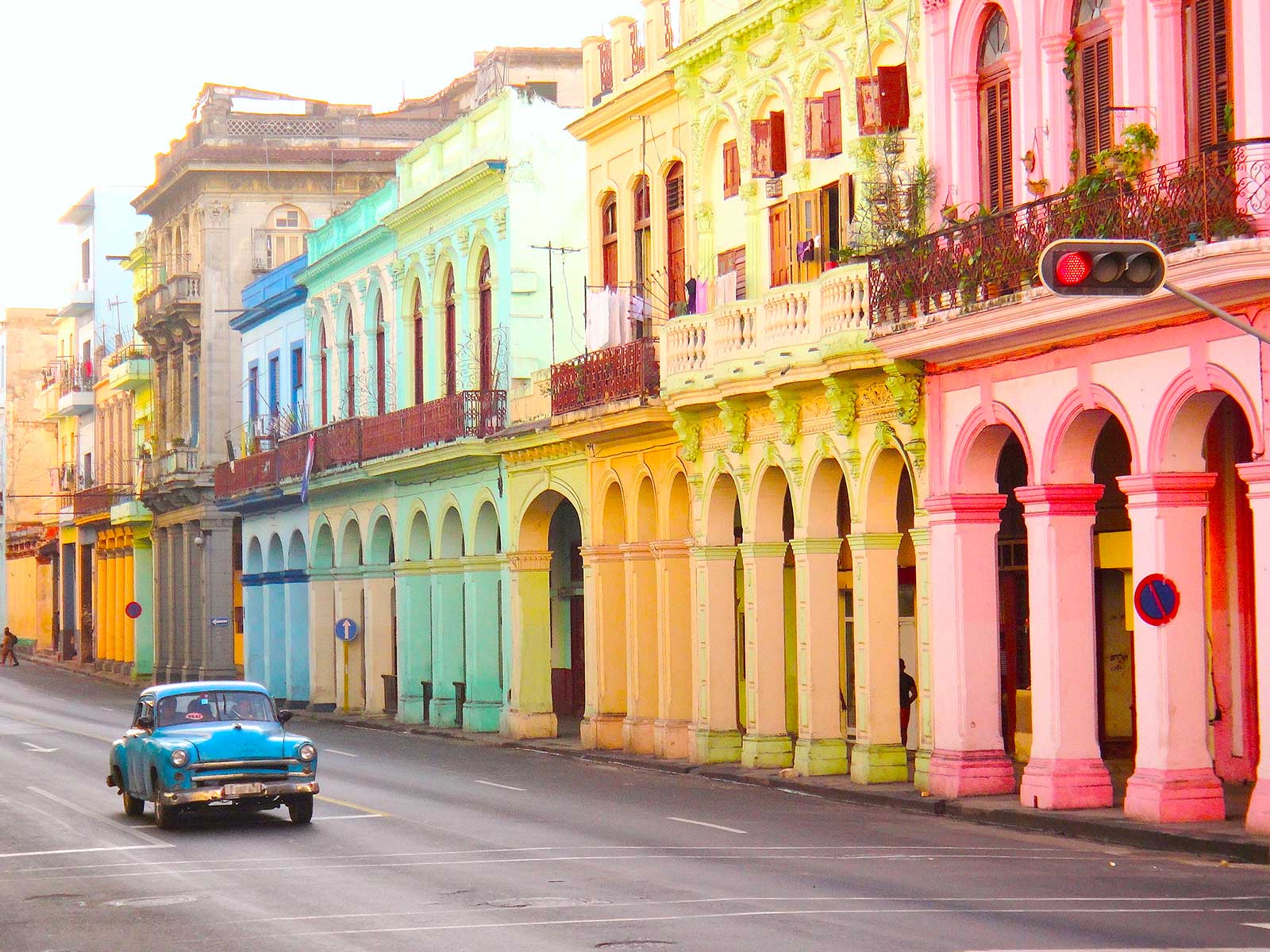
Cuba, with its vibrant culture, iconic vintage cars, and stunning landscapes, beckons travelers worldwide. While generally considered a safe destination, like any foreign country, understanding local nuances and taking sensible precautions is key to an enjoyable and worry-free adventure.
Before you pack your bags and set off to explore the lively streets of Havana Old Town or the tranquil beaches of Varadero, let's address the crucial question: Is Cuba safe for tourists? The short answer is yes, largely, but informed travel is always smart travel.
General Safety in Cuba: What to Expect
Cuba has a reputation for being one of the safest countries in the Caribbean, particularly for tourists. The government places a high priority on ensuring the safety of visitors, and violent crime rates against tourists are remarkably low compared to many other popular destinations. Most incidents involving travelers are typically limited to petty theft or various forms of scams, often targeting those who appear less aware of their surroundings.
Cubans are, on the whole, incredibly friendly, welcoming, and hospitable people. They often go out of their way to help foreigners. However, like anywhere else, a small percentage of individuals may attempt to take advantage of tourists, viewing them as a source of income. By understanding these dynamics, you can navigate your trip with confidence and ease.
Common Safety Concerns & How to Navigate Them
Petty Crime and Theft
While violent crime is rare, petty theft can occur, especially in crowded tourist areas, markets, or on public transport. Pickpocketing, bag snatching, and opportunistic grabbing of unattended items are the most common concerns.
- Keep Valuables Secure:Use a money belt or a secure cross-body bag. Keep wallets in front pockets.
- Be Aware:Always be mindful of your belongings, particularly in busy spots like the plazas of Trinidad de Cuba or the bustling streets of Santiago de Cuba.
- Avoid Displaying Wealth:Try not to flash large amounts of cash, expensive jewelry, or high-end electronics.
- Secure Your Accommodation:Always lock doors and windows, even when present. Use hotel safes for passports and extra cash.
"A simple rule of thumb for any destination: if you wouldn't do it at home, don't do it abroad. This applies especially to leaving your phone unattended on a cafe table or walking alone with an open bag."
Scams and "Jineteros"
The term "jinetero" (or "jinetera" for women) refers to hustlers who approach tourists, offering unsolicited services, goods, or advice, often with an ulterior motive to extract money. These interactions are usually more annoying than dangerous, but they can be persistent.
- Politely Decline:A firm but polite "No, gracias" usually suffices. Avoid engaging in lengthy conversations if you're not interested.
- Taxi Scams:Always agree on a pricebeforegetting into any taxi. Insist on the agreed fare at the destination.
- Fake Cigars:Be extremely wary of anyone offering "special deals" on cigars on the street. These are almost always counterfeit or of poor quality. Buy cigars only from official government stores (La Casa del Habano) or reputable hotel shops.
- Unsolicited Guides:If someone offers to be your guide, clarify if there's a fee upfront. It's often better to arrange guides through your accommodation or official tour operators, especially for places like Vinales Valley.
- "Friendly" Strangers:While most Cubans are genuinely friendly, be cautious if a stranger approaches you with an overly elaborate story or an invitation to a "private party" or "local festival." These can be fronts for over-priced experiences.
Health and Medical Considerations
Health is a vital aspect of safety. Cuba's tropical climate and infrastructure require some precautions.
- Water Safety:Do not drink tap water. Stick to bottled water, which is widely available. Be cautious with ice in drinks outside reputable hotels or restaurants.
- Food Hygiene:Eat at established restaurants orpaladares(private, family-run restaurants). Be selective with street food; ensure it's freshly cooked and hot. Wash fruits thoroughly before eating.
- Sun Protection:The Cuban sun is intense. Use high-SPF sunscreen, wear a hat and sunglasses, and seek shade during peak hours (10 AM - 4 PM), especially when exploring open areas or relaxing on beaches like Playa Jibacoa. Stay hydrated!
- Mosquitoes:Dengue fever and Zika virus are present. Use insect repellent, especially at dawn and dusk. Stay in accommodations with window screens or mosquito nets if possible.
- Medical Facilities:Tourist medical clinics (often run by Asistur) offer better care than local hospitals. However, facilities can be basic, especially outside major cities.Travel insurance with comprehensive medical coverage and emergency evacuation is absolutely essential.Bring a supply of any prescription medications you need, along with a copy of the prescription.
Transportation Safety
Getting around Cuba is part of the adventure, but requires awareness.
- Taxis:Use official taxis (identifiable by their license plates and meters, though meters are rarely used). Always negotiate and agree on the fare before starting your journey. Shared taxis (almendrones) are common and cheaper for longer distances; again, confirm the price per person.
- Inter-City Buses (Viazul):These are generally reliable and comfortable for traveling between major cities like Santa Clara and Cienfuegos. Book tickets in advance, as they sell out quickly. Keep an eye on your luggage.
- Driving:Renting a car offers flexibility but comes with challenges. Roads can be poorly maintained, signage is limited, and hazards like potholes, unlit vehicles, cyclists, and livestock are common. Avoid driving at night if possible.
- Pedestrian Safety:Sidewalks, particularly in older towns like Havana Old Town or Baracoa, can be uneven, cracked, or have unexpected drops. Watch your step.
Natural Disasters
Cuba lies in the hurricane belt.
- Hurricane Season:Runs from June to November, with peak activity typically in August and September. Stay informed about weather forecasts, especially if traveling during these months. Your accommodation or tour operator will provide guidance and safety protocols in case of a storm.
Respecting Local Customs and Laws
Cuba is a socialist country with distinct laws and cultural norms. Adhering to these is crucial for a safe and respectful trip.
- Photography:Be respectful when taking photos of people. Always ask permission first. Avoid photographing military or police personnel, or sensitive government buildings.
- Dress Code:Dress modestly when visiting religious sites or official buildings.
- Political Discussions:Avoid engaging in political discussions with strangers.
- Drug Laws:Cuba has extremely strict anti-drug laws, with severe penalties for even minor offenses. Do not engage with or purchase illicit drugs.
Essential Safety Tips for a Smooth Trip
Before You Go
- Comprehensive Travel Insurance:This cannot be stressed enough. Ensure it covers medical emergencies, hospital stays, emergency evacuation, and trip interruption/cancellation.
- Document Copies:Make several photocopies of your passport, visa, flight tickets, and insurance policy. Store them separately from the originals. Keep digital copies on your phone or in cloud storage.
- Embassy/Consulate Information:Note down the contact details and location of your country's embassy or consulate in Havana.
- Inform Loved Ones:Share your itinerary and contact information with family or friends back home.
- Health Check-up:Consult your doctor about recommended vaccinations or health precautions for Cuba.
While You're There
- Money Management:Carry only what you need for the day. Store extra cash, passports, and other important documents securely in your accommodation's safe. Use ATMs in well-lit, secure locations.
- Situational Awareness:Always be aware of your surroundings, especially in crowded areas or after dark.
- Night Safety:Stick to well-lit, populated areas. If you're out late, consider taking an official taxi back to your accommodation instead of walking alone.
- Valuables:Limit the number of valuables you bring. If you don't need it, leave it at home.
- Trust Your Gut:If a situation or person feels suspicious or uncomfortable, politely remove yourself from it.
Specific Location Considerations
- Cities (e.g.,Havana Old Town,Santiago de Cuba,Cienfuegos):Be extra vigilant against petty theft due to higher population density and tourist concentration.
- Rural Areas (e.g.,Vinales Valley,El Nicho Waterfalls):Generally very safe. Focus on nature safety – stay on marked trails, be aware of wildlife, and dress appropriately for hiking or exploring.
- Beaches (e.g.,Varadero,Cayo Jutía beach,Playa Paraiso,Playa Sirena):Watch your belongings while swimming. Be mindful of strong currents and always swim where it's safe and supervised.
- Diving/Water Activities (e.g.,Bay of Pigs,Jardines De La Reina):Use reputable tour operators with well-maintained equipment and certified instructors. Always follow safety briefings and guidelines.
What to Do in an Emergency
Despite all precautions, emergencies can happen. Knowing what to do can make a significant difference.
- Lost or Stolen Passport:Contact your country's embassy or consulate in Havana immediately. They can assist with emergency travel documents.
- Theft:Report any theft to the local police (Policía Nacional Revolucionaria). You'll need a police report for insurance claims.
- Medical Emergency:For an ambulance, dial106. Contact your travel insurance provider immediately; they can guide you to appropriate medical facilities and help arrange payment or evacuation.
Conclusion: Enjoying Your Safe Cuban Adventure
Cuba is, without a doubt, a remarkably safe and rewarding destination for tourists. Its unique charm, rich history, and vibrant culture offer an unparalleled travel experience. By staying informed, exercising common sense, and respecting local culture and laws, you can easily mitigate most potential risks.
Embrace the vibrant rhythm of the music, the stunning beauty of the landscapes, and the genuine warmth of the Cuban people, knowing you've prepared for a safe, memorable, and truly authentic journey. Your Cuban adventure awaits!