
Getting Around Cuba: A Comprehensive Guide to Transportation Options
Navigating Cuba is an adventure in itself, where classic cars share the road with modern buses and horse-drawn carriages. Understanding the diverse transportation options available is key to unlocking the island's charm and making the most of your Cuban journey.
Navigating Cuba's Unique Transportation Landscape
Cuba offers a fascinating mix of old and new when it comes to getting from place to place. While public transport can sometimes be a challenge, it's often part of the authentic Cuban experience. For visitors, a variety of reliable and interesting choices exist, catering to different budgets and travel styles, whether you're exploring bustling cities or serene natural landscapes.
Inter-City Travel: Connecting Cuba's Gems
Traveling between Cuba's vibrant cities and picturesque towns is an essential part of any itinerary. Here’s how you can journey across the island, from Havana to Santiago de Cuba and everywhere in between.
Viazul Bus: The Tourist's Best Friend
For most international travelers, Viazul is the primary and most reliable option for inter-city travel. These air-conditioned coaches offer comfortable seating and typically adhere to a schedule, connecting major tourist destinations like Vinales Valley,Cienfuegos,Trinidad de Cuba,Santa Clara, and Varadero.
Tip:While Viazul is generally reliable, it's wise to book your tickets in advance, especially during peak season, as seats can fill up quickly. Arrive at the station early to confirm your departure.
Colectivos (Shared Taxis): A Flexible Alternative
Colectivos are shared private taxis that offer a more flexible and often faster way to travel between cities. These usually involve classic American cars or modern vans picking up multiple passengers heading in the same general direction. They can be a great option for reaching destinations like El Nicho Waterfalls or the Bay of Pigs, which might have fewer direct Viazul routes.
Negotiation is key with colectivos, and it's often possible to arrange door-to-door service, making them highly convenient if you're traveling with luggage or a group.
Trenes (Trains): A Scenic, Slower Option
Cuba's rail system connects many parts of the island, but it's generally not recommended for tourists seeking efficiency or punctuality. Trains can be an adventurous choice for those with ample time and a desire for an authentic, albeit sometimes unpredictable, local experience. Routes connect Havana with cities like Santiago de Cuba, but schedules are fluid and delays are common.
Domestic Flights: Covering Long Distances Swiftly
For travelers with limited time or those wishing to cover vast distances, domestic flights are the quickest option. Connections typically link Havana with Santiago de Cuba and Baracoa, saving many hours of bus travel. While less frequent than in other countries, they offer a comfortable and efficient way to explore Cuba's farthest reaches.
Getting Around Within Cities and Towns
Once you've arrived at your destination, a whole new world of local transportation awaits, offering unique insights into Cuban life.
Taxis: Classic Cars and Modern Rides
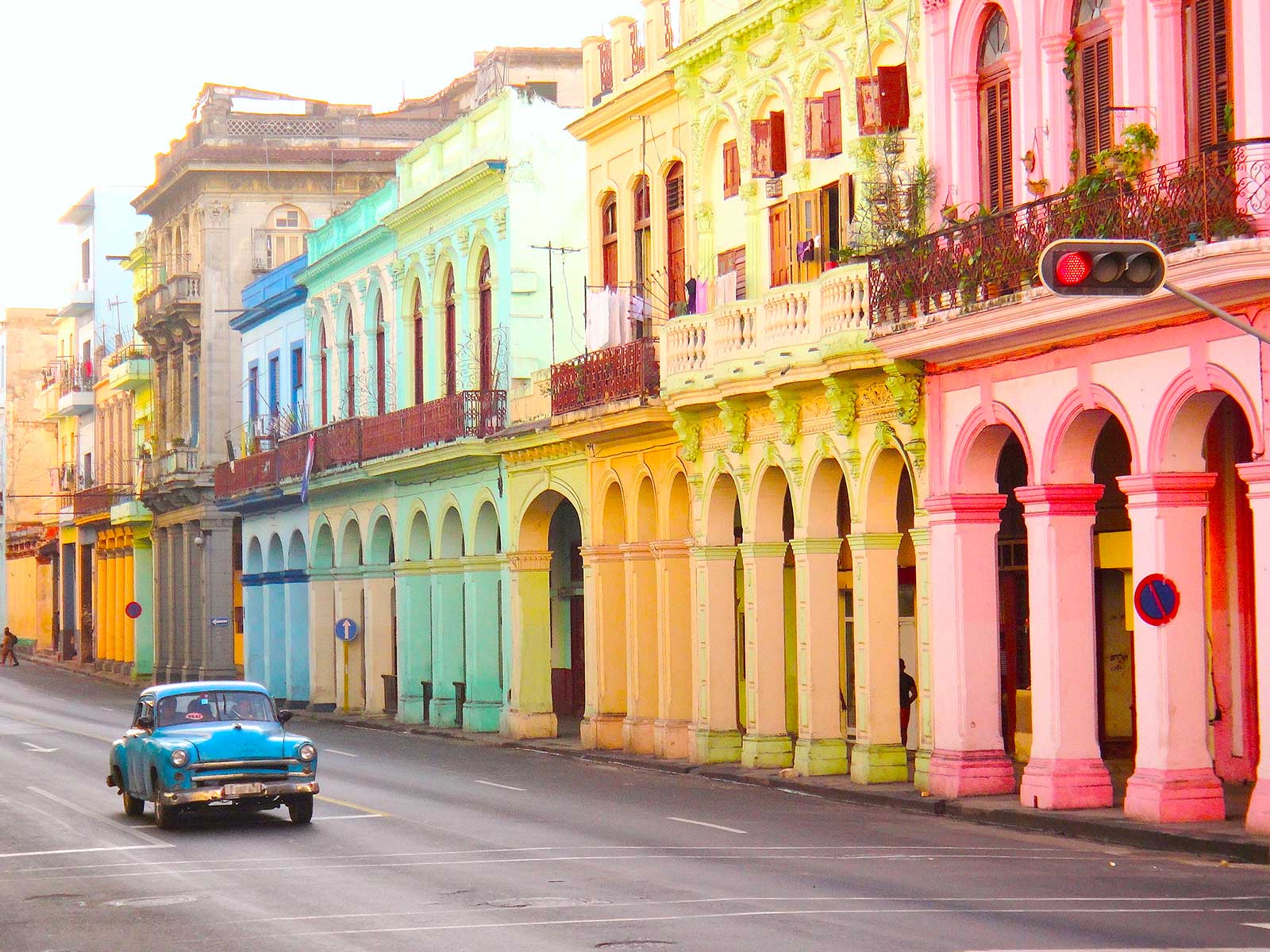
Taxis are readily available in most Cuban cities. You'll find two main types: state-run taxis (often modern, yellow, and metered) and private taxis, famously known asalmendrones. These private taxis are usually the iconic vintage American cars, providing a nostalgic ride. Always agree on a fare before starting your journey, especially with private taxis, as meters are rare outside of state-run vehicles. They are ideal for exploring areas like Havana Old Town or for trips to nearby attractions.
Bicitaxis and Cocotaxis: Fun and Local
For shorter distances, particularly in tourist areas, bicitaxis (bicycle taxis) and cocotaxis (small, yellow, coconut-shaped motorized scooters) offer a charming and open-air way to get around. They are perfect for navigating the narrower streets of historic centers like Trinidad de Cuba or for a quick ride along the Malecon in Havana. Always negotiate the fare beforehand.
Local Buses (Guaguas): The Authentic Experience
The local bus system, known asguaguas, is incredibly cheap but can be crowded and challenging for visitors. They operate extensive routes within cities and are primarily used by locals. While not always practical for tourists with luggage, they offer an unparalleled glimpse into daily Cuban life for those seeking a truly immersive experience.
Horse-Drawn Carriages (Coches de Caballos): Quaint and Traditional
In many smaller towns and cities, horse-drawn carriages are a common and charming mode of transport. They are particularly prevalent in places like Trinidad de Cuba, offering a leisurely way to sightsee or travel short distances. Agree on the fare with the driver before embarking.
Walking: The Best Way to Explore
For exploring historic centers and soaking in the atmosphere, walking is often the best option. Many of Cuba's most captivating areas, such as the colorful streets of Havana Old Town or the cobblestone alleys of Trinidad de Cuba, are best discovered on foot.
Self-Drive and Specialized Transportation
For those who prefer independence or need access to more remote locations, other options are available.
Rental Cars: Freedom on Your Own Terms
Renting a car in Cuba offers the ultimate freedom to explore at your own pace. This is ideal for visiting less accessible attractions like El Nicho Waterfalls, the Bay of Pigs, or the stunning beaches of Cayo Jutía beach and Vinales Valley's rural landscapes. Be prepared for varying road conditions, limited signage, and occasional fuel station shortages, especially outside major cities. Booking well in advance is highly recommended.
Scooters and Bicycles: Agile Exploration
In resort areas like Varadero or smaller towns such as those near Playa Jibacoa, renting a scooter or bicycle can be a fantastic way to explore locally. They offer flexibility for short trips to beaches or nearby villages. Always wear a helmet and be mindful of traffic and road conditions.
Ferries and Boats: Coastal and Island Access
While not extensive, some ferry services operate for short cross-water journeys. For specialized interests like diving, liveaboard boats are the primary way to access pristine marine ecosystems such as Jardines De La Reina. For reaching remote island resorts like those housing Playa Paraiso and Playa Sirena(typically found in Cayo Largo del Sur), domestic flights are usually followed by local transfers.
Important Tips for Cuban Transportation
- Patience is a Virtue:Cuban transportation often runs on its own schedule. Embrace the relaxed pace.
- Always Negotiate:For private taxis, colectivos, bicitaxis, and horse carriages, agree on the fare upfront to avoid misunderstandings.
- Carry Small Bills:Exact change or small denominations are always appreciated and make transactions smoother.
- Learn Basic Spanish:Even a few phrases can greatly assist in communicating your destination and understanding fares.
- Seek Local Advice:Your casa particular host or hotel staff can offer invaluable tips on the best ways to get around and typical fares.
Getting around Cuba is an integral part of the travel experience, full of character and unexpected charm. From the iconic rumble of an almendrón to the quiet journey on a Viazul bus, each mode of transport offers a unique perspective on this captivating island. Embrace the journey, be flexible, and you'll find that traveling through Cuba is just as rewarding as the destinations themselves.