
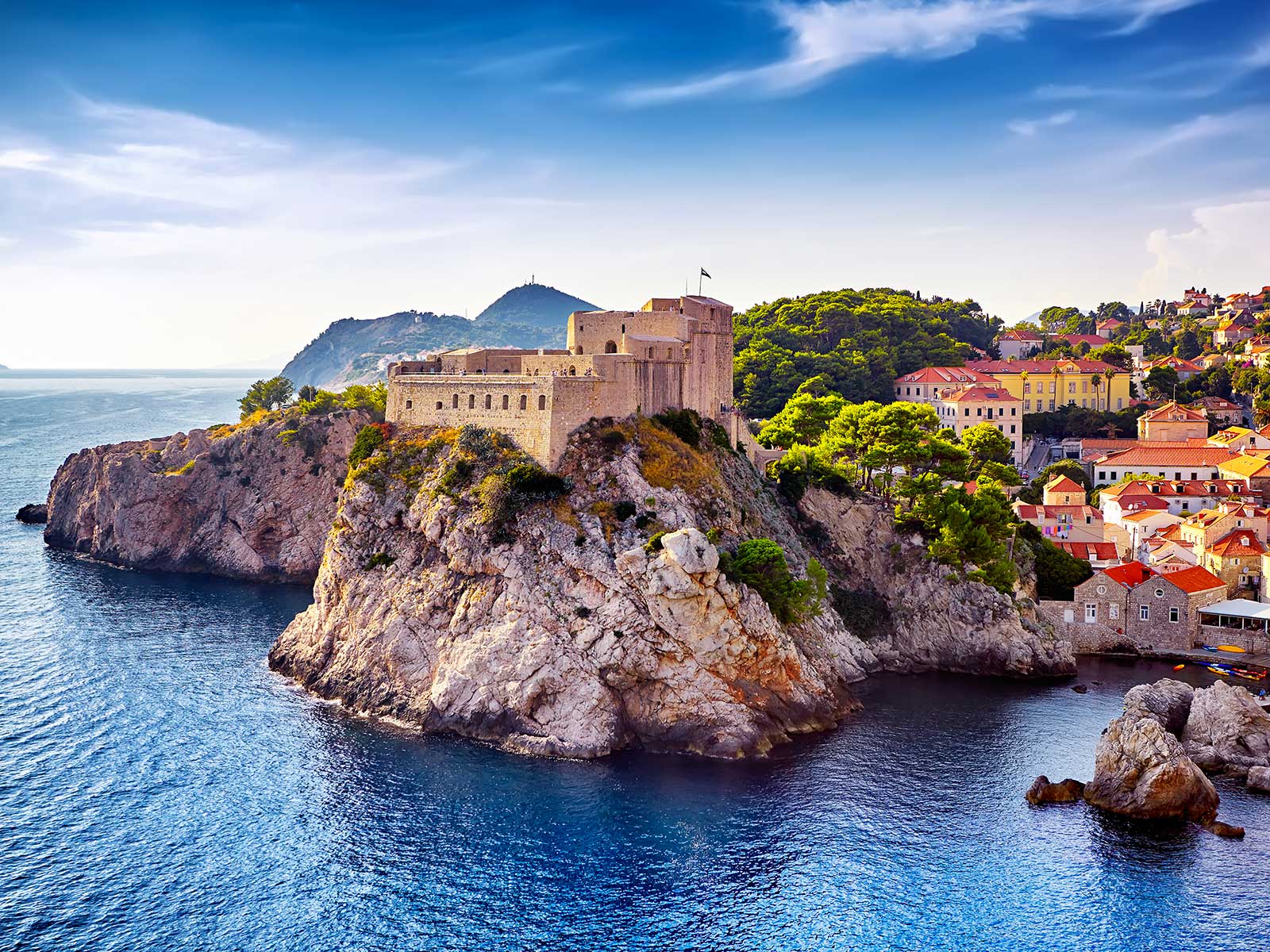
Croatian Culture & Customs: Traditions, Etiquette & Social Life
Croatia, a land where the Adriatic meets the Alps, offers more than just stunning landscapes; it boasts a vibrant culture shaped by centuries of diverse influences. Understanding Croatian traditions, etiquette, and social life is key to enriching your visit and connecting authentically with its warm and welcoming people.
The Heart of Croatian Traditions
Croatian culture is deeply rooted in its history, religion, and the strong bonds of family and community. These elements form the bedrock of daily life and special occasions across the country.
Family Values & Community Spirit
Family is paramount in Croatia. Multi-generational households are common, especially in rural areas, and respect for elders is deeply ingrained. Family gatherings, particularly for Sunday lunch, are cherished events filled with food, conversation, and laughter. Beyond immediate family, Croatians foster strong community ties; neighbors often help each other, and local events are well-attended, reinforcing a sense of belonging.
Religious Observance & Festivals
The majority of Croatians identify as Roman Catholic, and religion plays a significant role in cultural life. Major holidays like Christmas (Božić) and Easter (Uskrs) are celebrated with great fervor, involving special masses, family feasts, and unique local customs. Throughout the year, numerous village festivals and patron saint days (feste) are observed, offering a glimpse into local traditions. For example, the Dubrovnik Summer Festival is a renowned cultural event that showcases the city's artistic heritage, while religious processions are common sights during various saints' days.
Food & Drink: A Culinary Journey
Croatian cuisine is a delicious reflection of its geography and history, blending Mediterranean flavors along the coast with Central European influences inland. Fresh, seasonal ingredients are central, with olive oil, herbs, and seafood dominating coastal dishes, while meat, potatoes, and hearty stews are popular further north. Meals are social events, meant to be savored. Don't be surprised if your host offers you a shot ofrakija(a strong fruit brandy) as a welcome or insists you have another serving of food.
Tip:Explore local markets like Dolac market in Zagreb to experience the fresh produce and vibrant atmosphere that are essential to Croatian culinary traditions.
Navigating Croatian Etiquette
While Croatians are generally relaxed, observing a few key etiquette points will show respect and enhance your interactions.
Greetings & Introductions
When meeting someone for the first time, a firm handshake is customary for both men and women. Direct eye contact is appreciated. Common greetings include "Dobar dan" (Good day), "Dobra večer" (Good evening), and "Bok" (Hi/Bye, informal). Address people using their titles (Mr. /Gospodin, Mrs. /Gospođa, Miss /Gospođica) and last names until invited to use their first names. Close friends and family often greet with a kiss on both cheeks.
Dining & Hospitality
Being invited into a Croatian home is a sign of great hospitality. It's polite to bring a small gift for the host, such as a bottle of wine, chocolates, or flowers. At the table, wait to be seated and don't start eating until the host says "Dobar tek!" (Enjoy your meal!). Toasts are common, often with a hearty "Živjeli!" (Cheers!), and it's polite to make eye contact with everyone when clinking glasses. Finish everything on your plate, as wasting food can be seen as disrespectful.
Public Behavior & Dress Code
Croatians are generally polite and reserved in public. While casual attire is widely accepted, particularly in coastal tourist areas, it's wise to dress modestly when visiting religious sites such as the Cathedral of Zagreb. Shoulders and knees should generally be covered. Public displays of affection are common among couples but generally kept tasteful. Keep noise levels down in residential areas, especially late at night, and always remove your shoes when entering someone's home.
The Rhythm of Croatian Social Life
Croatian social life is vibrant and revolves around shared experiences, from the leisurely pace of coffee culture to the passion for sports and the arts.
The Ubiquitous Coffee Culture (Kava)
Coffee is more than just a drink in Croatia; it's a social ritual. "Going for kava" often means spending an hour or two lingering over a single cup, chatting with friends, or simply people-watching. Cafes are central to social life, acting as informal meeting points, offices, and stages for observing daily life. You'll see this phenomenon everywhere, from the bustling Riva promenade in Split to charming squares in Zadar. This relaxed pace is fundamental to understanding Croatian social interactions.
Sports & Recreation
Sports are a national passion, with football (soccer) and water polo igniting immense pride and excitement. Major matches bring communities together, filling cafes and homes with enthusiastic fans. Beyond spectator sports, Croatians embrace an active lifestyle. The stunning natural beauty of the country offers endless opportunities for hiking in places like Plitvice Lakes National Park or climbing Srđ mountain in Dubrovnik. Swimming and sunbathing are popular pastimes at beaches like Bacvice beach,Sakarun beach, or the lively Zrce beach.
Arts, Music & Entertainment
Croatia boasts a rich artistic heritage, from traditional folk music and dance to classical performances and modern art.Klapasinging, a form of multi-part a cappella singing native to Dalmatia, is a UNESCO-recognized intangible cultural heritage. The Croatian National Theatre in Zagreb is a stunning example of the country's dedication to performing arts. Throughout the year, cities like Split and Dubrovnik host numerous music festivals and cultural events, adding to the vibrant entertainment scene. Even unique art installations like The Greeting to the Sun in Zadar contribute to the country's cultural tapestry.
Understanding Croatian Humor & Communication
Croatian humor can often be direct, sometimes ironic, and occasionally involves a dry wit. Conversations might seem frank, but it's usually not meant to offend. Patience is a virtue when communicating; don't rush interactions, especially during social coffee breaks. Croatians value genuine connection, so take your time, listen actively, and enjoy the relaxed flow of conversation.
Fun Fact:The necktie, or "cravat," has Croatian origins! It evolved from the scarves worn by Croatian mercenaries in the 17th century.
Exploring Croatian culture means embracing a blend of ancient traditions and modern influences. By understanding and respecting these customs, you'll not only navigate the country more smoothly but also gain a deeper appreciation for its people and their way of life. Croatians are genuinely welcoming, and a little effort to understand their customs goes a long way in forging memorable connections.