
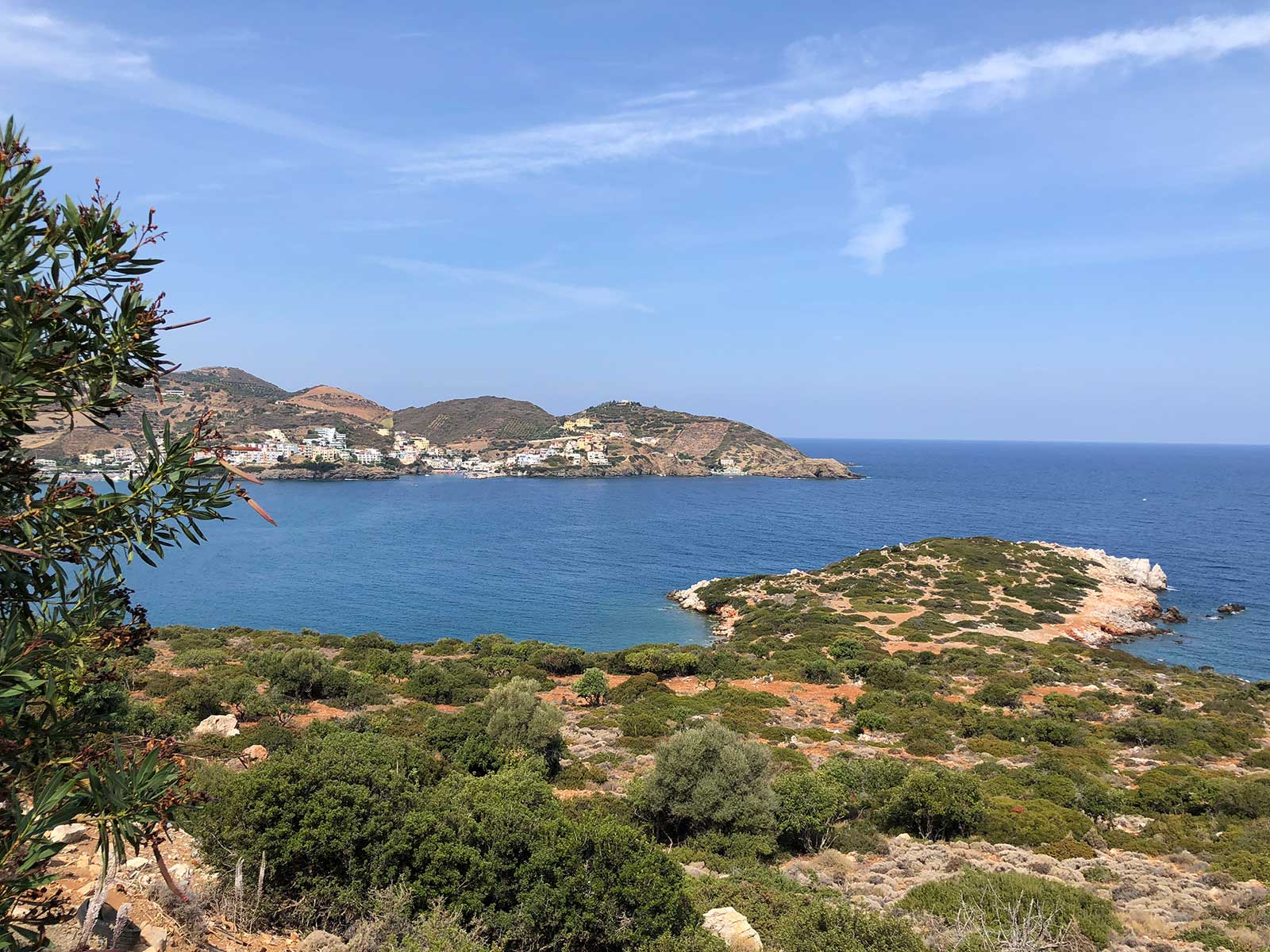
Photography Guide to Crete: Capturing Balos, Knossos & More
Crete, the largest of the Greek islands, is a photographer's paradise, boasting an incredible diversity of landscapes, ancient ruins, and charming towns. From the pristine turquoise waters of its famed beaches to the dramatic peaks of its mountains and the timeless grandeur of its historical sites, every corner offers a unique visual story waiting to be told.
Setting the Scene: Essential Photography Tips for Crete
Before diving into specific locations, consider these general tips to elevate your photography across Crete:
- Embrace the Light:The Mediterranean light is magical. Utilize the "golden hour" (shortly after sunrise and before sunset) for warm, soft light that enhances landscapes and architecture. The "blue hour" (just after sunset or before sunrise) offers a cool, dramatic ambiance perfect for cityscapes.
- Protect Your Gear:Crete's environment can be challenging. Sand and dust are prevalent at beaches and archaeological sites, and the sun can be intense. Carry dust-proof bags, lens cleaning kits, and consider a UV filter for lens protection.
- Respect Local Culture:When photographing people, especially in villages or at religious sites, always ask permission first. Be discreet and respectful of local customs and privacy.
Iconic Locations & How to Capture Them
Balos Beach: A Lagoon of Dreams
Often topping lists of the world's most beautiful beaches,Balos Beach is a must-photograph destination. Its unique lagoon, with varying shades of blue and green, and the wild, rugged landscape surrounding it, offer endless photographic opportunities.
Photography Tips for Balos:
- The Panoramic View:The most iconic shot of Balos is from the hillside path leading down to the beach. A wide-angle lens is essential here to capture the vastness of the lagoon, the Gramvousa islet, and the vibrant color transitions. Arrive early morning to avoid harsh shadows and crowds, or late afternoon for softer light.
- Details on the Beach:Once on the sand, focus on the shallow, warm waters, the pinkish hues of the sand (from crushed shells), and the small rock formations. Get low to the water for interesting reflections and perspectives.
- Drone Photography:If you have a drone, Balos offers breathtaking aerial shots, showcasing the full splendor of the lagoon's intricate patterns and colors. Be mindful of local regulations.
Pro Tip:The hike down to Balos can be steep. Ensure your camera gear is securely packed in a comfortable backpack to protect it and make the descent easier.
Knossos Palace: Echoes of a Minoan Civilization
Step back in time at Knossos Palace, the legendary center of the Minoan civilization. Capturing the essence of this ancient site requires a blend of wide-angle shots for scale and telephoto lenses for intricate details.
Photography Tips for Knossos:
- Scale and Grandeur:Use a wide-angle lens to convey the immense scale of the palace complex, especially the grand staircase and the central court. Early morning light often casts beautiful long shadows that accentuate the ruins' textures.
- Vibrant Reconstructions:The vivid red columns and frescoes are distinctive features of Knossos. Focus on these elements to add a splash of color and historical context to your shots. Look for compositions that frame these details against the blue Cretan sky.
- Details and Texture:Don't forget the smaller details: ancient pottery shards, intricate wall patterns, and the worn stones that tell stories of millennia past. A macro lens or a zoom lens can help isolate these fascinating elements.
Chania Old Town & Venetian Harbour: A Timeless Charm
The charming city of Chania, with its Venetian Harbour and labyrinthine Old Town, is a street photographer's dream. Every alleyway, every colorful building, and every fishing boat offers a picturesque scene.
Photography Tips for Chania:
- Golden Hour Glow:The Venetian Harbour is particularly stunning during golden hour, when the old buildings, lighthouse, and moored boats are bathed in a warm, ethereal light. Reflections on the water can add an extra layer of beauty.
- Street Photography:Wander through the narrow streets of the Old Town. Look for interesting doorways, vibrant bougainvillea spilling over balconies, local artisans at work, and candid moments of daily life. A prime lens (e.g., 35mm or 50mm equivalent) is excellent for capturing the atmosphere.
- Night Photography:As evening falls, the harbour lights up, creating a romantic and dramatic atmosphere. Use a tripod for long exposures to capture the reflections of the lights on the water and the movement of the boats.
Samaria Gorge: Nature's Masterpiece
For those seeking adventure and dramatic landscapes, the Samaria Gorge(though not an internal link currently provided, it's a key Cretan photography spot) offers unparalleled opportunities. This UNESCO Biosphere Reserve is one of Europe's longest gorges.
Photography Tips for Samaria Gorge:
- Capture the Scale:The gorge's immense cliffs, sometimes narrowing to just a few meters at the "Iron Gates," demand a wide-angle lens to convey their towering presence. Look for leading lines formed by the path or the riverbed.
- Details of Nature:Don't just shoot the grand vistas. Focus on the unique flora and fauna, the textures of the rock faces, and the clear stream water.
- Light & Shadows:Due to the gorge's depth, light can be tricky. Look for dramatic contrasts between sunlit areas and deep shadows. The changing light throughout the day offers varied moods.
Elafonisi Beach: The Pink Sand Phenomenon
Known for its unique pinkish sand and crystal-clear shallow waters, Elafonisi offers a different kind of beach photography experience.
Photography Tips for Elafonisi:
- Pink Hues:The pink sand is most vibrant when wet and under bright sunlight. Get down low to capture its unique color against the turquoise water.
- Water & Reflections:The incredibly shallow, calm waters are perfect for capturing reflections of the sky and distant islets.
- Minimalist Compositions:The serene landscape of Elafonisi lends itself well to minimalist compositions, focusing on the interplay of sand, water, and sky.
Advanced Photography Techniques & Gear Considerations
Filters for Cretan Landscapes
- Polarizing Filter (CPL):Essential for Balos and Elafonisi to reduce glare on the water, deepen blue skies, and enhance color saturation.
- Neutral Density (ND) Filter:Useful for long exposures, especially if you want to smooth out flowing water in the Samaria Gorge or create silky water effects at the beaches during daylight.
Tripod for Stability
A sturdy travel tripod is invaluable for:
- Low Light:Capturing sharp images during golden/blue hour or at night in Chania.
- Long Exposures:For dramatic water effects or star trails (away from light pollution).
- Self-Portraits:If you want to be in your stunning Cretan landscape shots.
Considering a Drone
As mentioned for Balos, a drone can offer unparalleled perspectives, especially over Crete's diverse coastline and lagoons. Always be aware of local regulations, no-fly zones, and respect privacy.
Beyond the Icons: Discovering Hidden Gems
While the famous sites are unmissable, don't shy away from exploring Crete's lesser-known corners. Picturesque villages like Archanes or Margarites, the rugged beauty of the White Mountains, or the tranquil olive groves all offer authentic photographic moments. Even a visit to a place like CRETAquarium could offer unique opportunities for underwater or low-light photography.
Crete is a canvas of visual delights, offering a rich tapestry for any photographer. With these tips and a keen eye, you're ready to capture the unforgettable beauty and spirit of this remarkable Greek island.