
Is Crete Safe for Tourists? Your Guide to a Secure Island Holiday
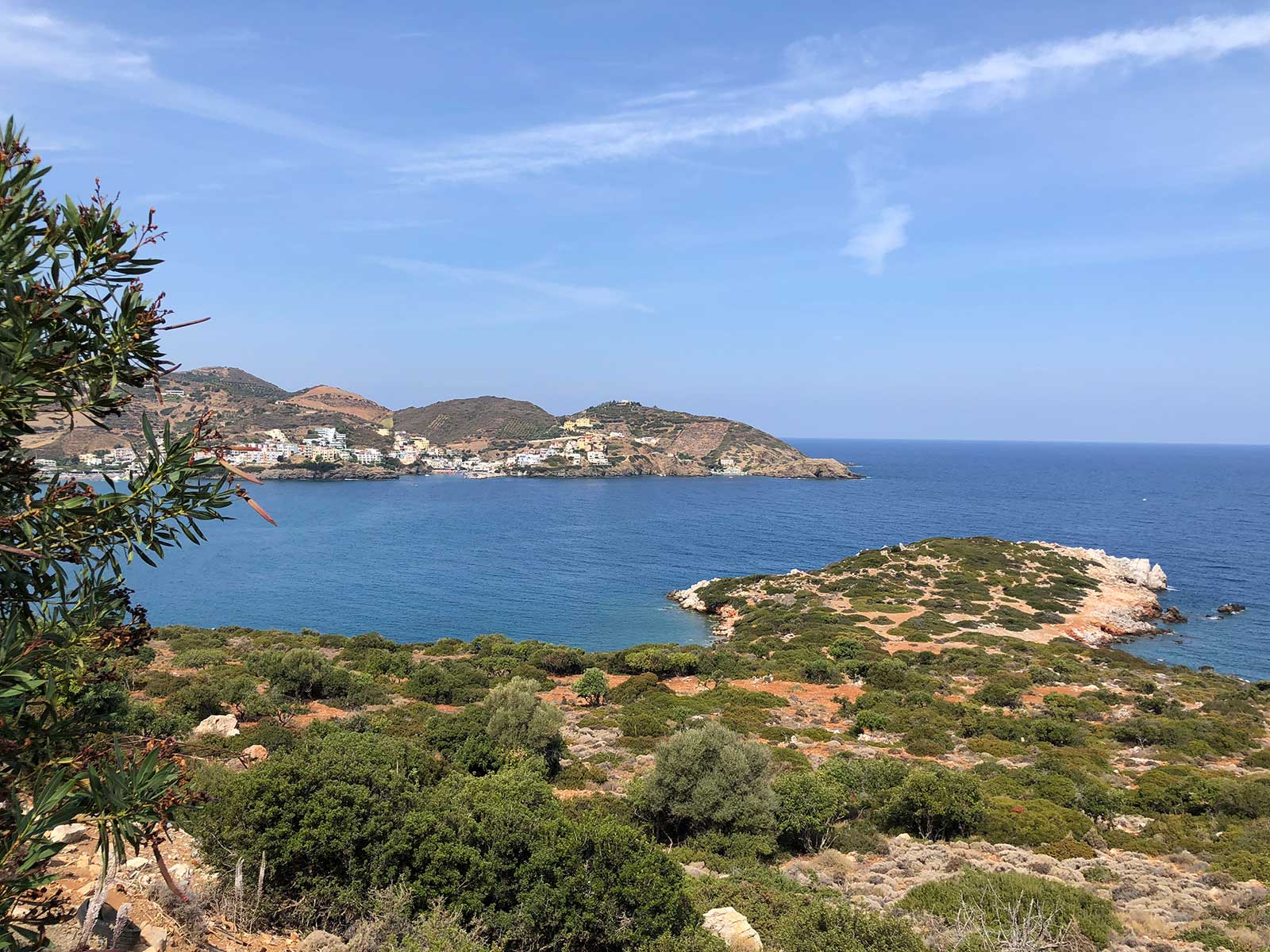
Crete, Greece's largest island, beckons travelers with its stunning beaches, ancient ruins, and vibrant culture. As you plan your escape to this Mediterranean paradise, a natural question often arises: is Crete safe for tourists? Rest assured, Crete is widely considered a very safe destination, offering a welcoming environment for visitors from around the globe.
Overall Safety in Crete: A Peaceful Island Experience
Crete boasts a remarkably low crime rate, especially concerning violent crime. The local population is renowned for its hospitality, known asphiloxenia, and you'll find residents generally friendly and eager to assist tourists. While serious incidents are rare, like any popular travel destination, it's wise to be aware of common travel precautions to ensure a smooth and enjoyable trip.
The island's economy heavily relies on tourism, meaning the local authorities and communities are dedicated to maintaining a secure and pleasant atmosphere for visitors. Most tourists experience a hassle-free holiday, focusing instead on the island's natural beauty, rich history, and delicious cuisine.
Common Safety Concerns and Practical Tips
Petty Crime: Stay Vigilant in Crowded Areas
Like any busy tourist destination, petty crime such as pickpocketing and bag snatching can occur, particularly in crowded areas. This includes bustling markets, popular beaches like Balos Beach, historical sites such as Knosos, and during public transport or festival events.
- Secure Your Valuables:Keep wallets in front pockets, use cross-body bags, and avoid flashing expensive jewelry or electronics.
- Be Mindful of Your Surroundings:Pay attention to who is around you, especially in packed areas.
- Restaurant & Cafe Safety:Don't leave phones, cameras, or bags unattended on tables or chairs.
Scams: Be Aware, Not Afraid
While not widespread, minor scams can occasionally target tourists. These might include taxi drivers overcharging (always confirm the fare or ensure the meter is running), or individuals attempting to sell counterfeit goods.
- Taxis:Agree on a price before starting your journey or insist on the meter. Use reputable taxi services.
- ATMs:Use ATMs located inside banks or reputable establishments. Be wary of unusual devices attached to card slots.
- Restaurant Bills:Briefly check your bill before paying, especially in very touristy areas, to ensure accuracy.
Driving Safely in Crete: Navigating the Roads
Renting a car is a popular way to explore Crete's diverse landscapes, but local driving habits can sometimes be more assertive than what you might be used to. Roads vary from well-maintained highways to narrow, winding mountain passes.
- Defensive Driving:Be prepared for aggressive overtaking, sudden stops, and motorcyclists weaving through traffic.
- Road Conditions:Some rural roads can be poorly lit, unpaved, or have sharp turns. Drive cautiously, especially at night.
- Scooters & ATVs:If renting, ensure you have appropriate insurance and always wear a helmet. Be aware that these vehicles offer less protection in an accident.
- Parking:Park only in designated areas to avoid fines or towing.
Beach & Water Safety: Enjoying Crete's Coastlines
Crete's beaches are magnificent, but it's important to respect the sea.
- Heed Warning Flags:Pay attention to lifeguard flags indicating water conditions (red means danger, yellow caution).
- Supervised Beaches:Whenever possible, swim at beaches with lifeguards.
- Sun Protection:The Mediterranean sun is powerful. Use high-SPF sunscreen, wear a hat, and seek shade during peak hours (11 AM - 3 PM) to prevent sunburn and heatstroke.
- Hydration:Drink plenty of water throughout the day, especially if you're active or at the beach.
- Remote Beaches:If visiting more secluded spots like parts of Balos Beach, be self-sufficient with water, snacks, and first aid, as facilities might be limited.
Did You Know?The Cretan diet, rich in olive oil, fresh vegetables, and seafood, is considered one of the healthiest in the world. Eating locally is not only delicious but can also contribute to your well-being during your trip!
Health and Medical Care
Crete has a good standard of medical care, with public hospitals and private clinics, particularly in major cities like Heraklion, Chania, and Rethymnon. Pharmacies are widely available and easily identifiable by a green cross sign.
- Travel Insurance:Always purchase comprehensive travel insurance before your trip. This should cover medical emergencies, cancellations, and lost luggage.
- European Health Insurance Card (EHIC):If you're an EU citizen, carry your EHIC for access to state-provided healthcare.
- Prescription Medications:Bring an adequate supply of any necessary prescription medications, along with a copy of your prescription.
- Sun & Heat:Be mindful of dehydration and heatstroke. Symptoms include dizziness, headache, and nausea.
Solo Travel Safety: Confidence and Common Sense
Crete is generally safe for solo travelers, including women. The friendly atmosphere often means you'll feel comfortable exploring alone. However, standard solo travel precautions apply.
- Inform Someone:Let a friend or family member know your itinerary.
- Trust Your Instincts:If a situation feels uncomfortable, remove yourself.
- Nightlife:If enjoying nightlife, drink responsibly, don't leave drinks unattended, and ensure you have a safe way back to your accommodation. Stick to well-lit, populated areas.
Respecting Local Culture and Etiquette
Cretans are proud of their heritage and generally appreciate visitors who show respect for their customs. While not directly a safety concern, understanding local etiquette can enhance your experience and avoid misunderstandings.
- Dress Modestly:When visiting religious sites, dress modestly (shoulders and knees covered).
- Greeting:A simple "Kalimera" (good morning) or "Kalispera" (good evening) goes a long way.
- Hospitality:Embrace the local hospitality; it's a genuine part of Cretan culture.
Emergency Information
In case of an emergency, remember these essential numbers:
- 112:The pan-European emergency number for police, ambulance, and fire services. Operators can usually communicate in English.
- 100:Police
- 166:Ambulance
- 199:Fire Department
It's also advisable to know the location and contact details of your country's embassy or consulate in Greece, particularly if you lose your passport or encounter serious issues.
Family-Friendly Safety
Crete is an excellent destination for families. Attractions like the CRETAquarium offer safe, engaging experiences. When traveling with children:
- Supervision:Always supervise children, especially near water or in crowded areas.
- Sun Protection:Be extra diligent with sun protection for children.
- Car Seats:If renting a car, ensure appropriate car seats are available and properly installed.
Conclusion: Enjoy Your Secure Cretan Adventure
Crete truly stands out as a safe and welcoming destination for tourists. While it's always prudent to practice common sense and be aware of your surroundings, the vast majority of visitors experience a peaceful and memorable holiday. By following these practical tips, you can fully immerse yourself in the island's captivating beauty, rich history, and warm hospitality, confident in the knowledge that you are exploring one of Europe's safest and most enchanting islands.