
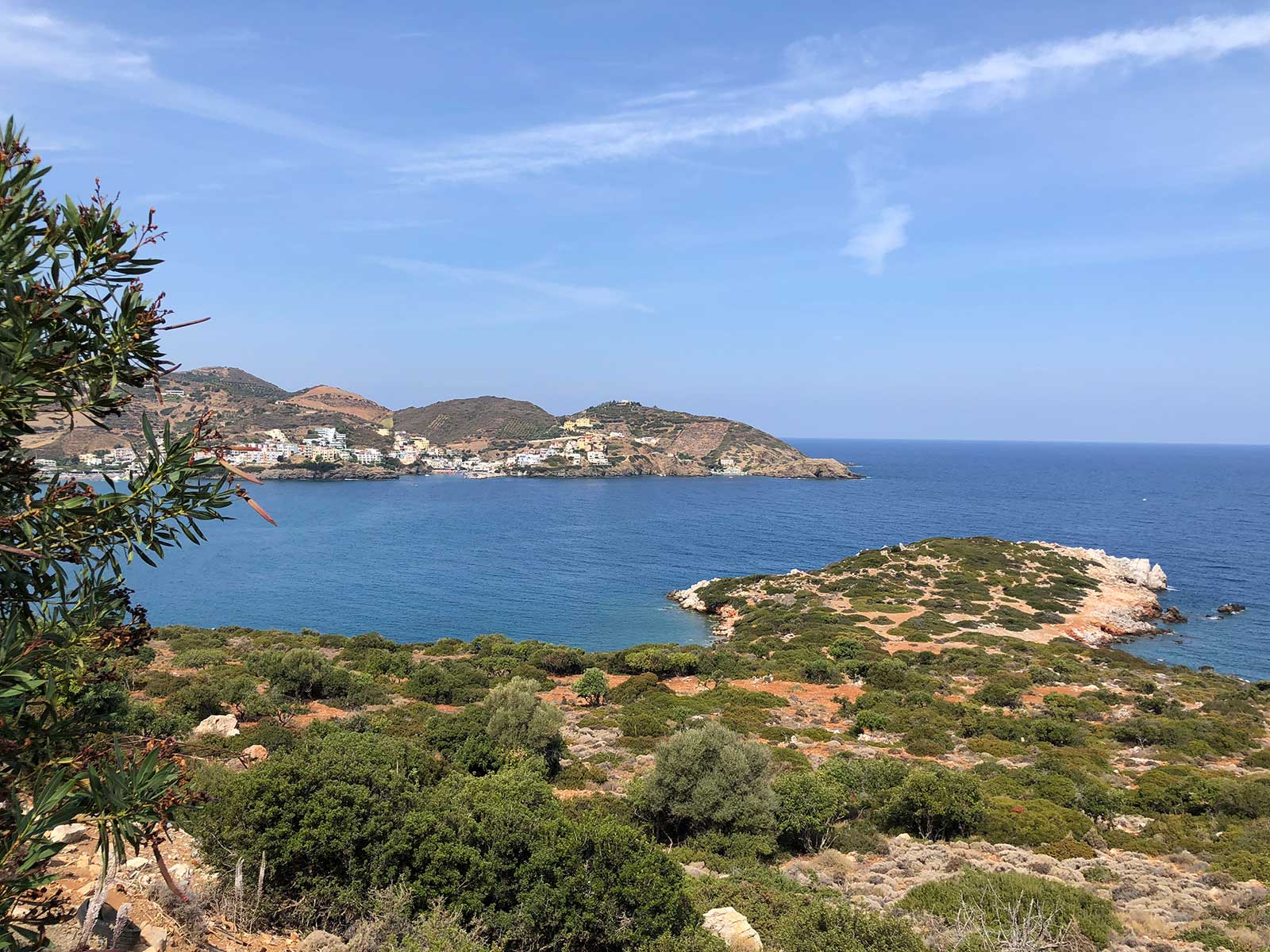
Hiking in Crete: Best Trails for Mountain Lovers & Coastal Walkers
Crete, the largest of the Greek islands, is a hiker's paradise, offering an incredible diversity of landscapes from rugged mountain peaks to dramatic gorges and idyllic coastal paths. Whether you're a seasoned trekker or a casual walker, the island promises an unforgettable journey through its natural beauty and rich history.
Why Hike in Crete?
Crete's unique geology and biodiversity create a stunning backdrop for any hiking adventure. From the White Mountains (Lefka Ori) to the Lassithi Plateau, the island is crisscrossed with ancient paths, shepherd trails, and marked routes. You'll encounter rare flora and fauna, breathtaking panoramic views, and archaeological sites that whisper tales of Minoan civilization and Byzantine eras. Hiking here offers a profound connection to the island's authentic soul, far from the bustling tourist resorts.
Essential Tips for Hiking in Crete
To make the most of your Cretan hiking experience, preparation is key:
- Best Time to Visit:Spring (April-May) and Autumn (September-October) offer ideal temperatures, blooming wildflowers, and lush landscapes. Summer can be very hot, especially for longer, exposed trails.
- What to Pack:
- Sturdy hiking boots or shoes with good ankle support.
- Plenty of water (especially crucial for gorges).
- Sunscreen, hat, and sunglasses.
- Light layers of clothing, even in summer, as mountain weather can change.
- Snacks and a packed lunch for longer treks.
- A basic first-aid kit.
- A fully charged phone and a power bank.
- Safety First:Inform someone of your route and expected return time. Stick to marked trails. Be aware of weather conditions and respect local wildlife.
- Guided vs. Self-Guided:Many popular gorges offer organized transfers and guided tours. For less-trodden paths, consider hiring a local guide for safety and insight into the local history and ecology.
Top Mountain Trails & Gorges
Samaria Gorge: Crete's Crown Jewel
Undoubtedly Crete's most famous gorge, the Samaria Gorge is a UNESCO Biosphere Reserve and a truly epic adventure. Stretching approximately 16 kilometers (from Omalos Plateau to Agia Roumeli on the Libyan Sea), it typically takes 5-7 hours to complete.
The trail descends through the 'Iron Gates,' where the cliffs narrow to just a few meters apart with towering walls up to 300 meters high. Expect challenging terrain with loose rocks and steep descents, but the reward is unparalleled natural beauty, crystal-clear springs, and the chance to spot the elusive Cretan wild goat, thekri-kri.
Fun Fact:The Samaria Gorge is one of Europe's longest gorges and was established as a National Park in 1962 to protect its unique ecosystem.
Imbros Gorge: A More Accessible Alternative
For those seeking a less strenuous yet equally beautiful gorge experience, the Imbros Gorge is an excellent choice. Located in the Sfakia region, it's about half the length of Samaria (around 8 kilometers) and takes 2-3 hours to walk.
The trail is relatively easy, making it suitable for families and those with less hiking experience. It also features stunning narrow sections and impressive rock formations, winding down to the village of Komitades, from where you can arrange transport to nearby coastal towns.
Agia Irini Gorge: The Peaceful Escape
Often overlooked, the Agia Irini Gorge offers a tranquil and picturesque hike through lush vegetation and alongside a small stream. Located near Sougia on the southwest coast, it's about 7.5 kilometers long and takes around 2.5-3 hours.
This gorge is part of the E4 European Long Distance Path and provides a peaceful alternative to the more crowded trails. It's an ideal spot for birdwatching and enjoying the serene beauty of the Cretan landscape.
Psiloritis & Ida Mountains: For Serious Climbers
For experienced mountaineers, the Psiloritis range, home to Mount Ida (Psiloritis), Crete's highest peak at 2,456 meters, offers rugged and challenging ascents. The trails here are less developed and require good navigation skills and preparation.
Climbing Mount Ida rewards you with panoramic views across the entire island and beyond. The area is steeped in mythology, believed to be the birthplace of Zeus, adding a layer of historical intrigue to the physical challenge.
Invigorating Coastal & Historical Walks
E4 European Long Distance Path: Crete Section
The E4 path traverses Crete from west to east, offering both mountainous and coastal sections. While completing the entire route requires weeks, hikers can pick and choose segments that suit their preferences. Coastal stretches often connect charming villages, secluded beaches, and ancient ruins, providing a blend of natural beauty and cultural immersion.
Zakros Gorge (Valley of the Dead) & Kato Zakros
Located in eastern Crete, the Zakros Gorge (also known as the "Valley of the Dead" due to ancient Minoan tombs carved into its cliffs) leads down to the beautiful coastal village of Kato Zakros. This relatively easy hike (about 2-3 hours) combines stunning natural scenery with significant historical context, ending at the site of a magnificent Minoan palace.
Balos Lagoon Hike: Iconic Views
The hike to Balos Beach, one of Crete's most famous natural landmarks, is not just a walk to a beach; it's an experience in itself. From the parking area, a well-trodden path descends for about 1 kilometer (20-30 minutes) to the breathtaking lagoon. The views throughout the descent are simply spectacular, offering incredible photographic opportunities of the turquoise waters and white sands.
While relatively short, the return climb can be challenging, especially in the heat, but the reward of reaching this iconic natural wonder makes it entirely worthwhile.
Ancient Aptera & Kalami Bay
Combine history with a pleasant coastal walk near Chania by exploring the ruins of ancient Aptera. Perched on a hill overlooking Souda Bay, Aptera boasts impressive Roman cisterns, a theatre, and panoramic views. From here, you can descend towards the picturesque Kalami Bay, perhaps enjoying a dip in the sea or a meal at a seaside tavern. This area offers a glimpse into Crete's strategic past and its enduring natural charm. For those interested in Crete's rich history, a visit to other significant archaeological sites like Knosos can further enrich your understanding of the island's ancient civilizations.
Beyond the Trails: Exploring Crete's Natural Wonders
Crete's natural beauty extends beyond its hiking trails. The island is home to numerous caves, olive groves, vineyards, and diverse ecosystems waiting to be explored. Whether you're seeking rugged adventure or serene contemplation, Crete's landscapes provide a perfect backdrop for discovery.
Respecting Crete's Environment
As you explore Crete's pristine natural environments, please practice responsible tourism. Stick to marked paths, carry out everything you carry in, and avoid disturbing local flora and fauna. By doing so, we ensure that these magnificent landscapes can be enjoyed by generations to come.
From the challenging heights of Mount Ida to the tranquil beauty of its coastal paths, Crete offers an unparalleled hiking experience. Lace up your boots, embrace the spirit of adventure, and discover the hidden gems of this remarkable island.