
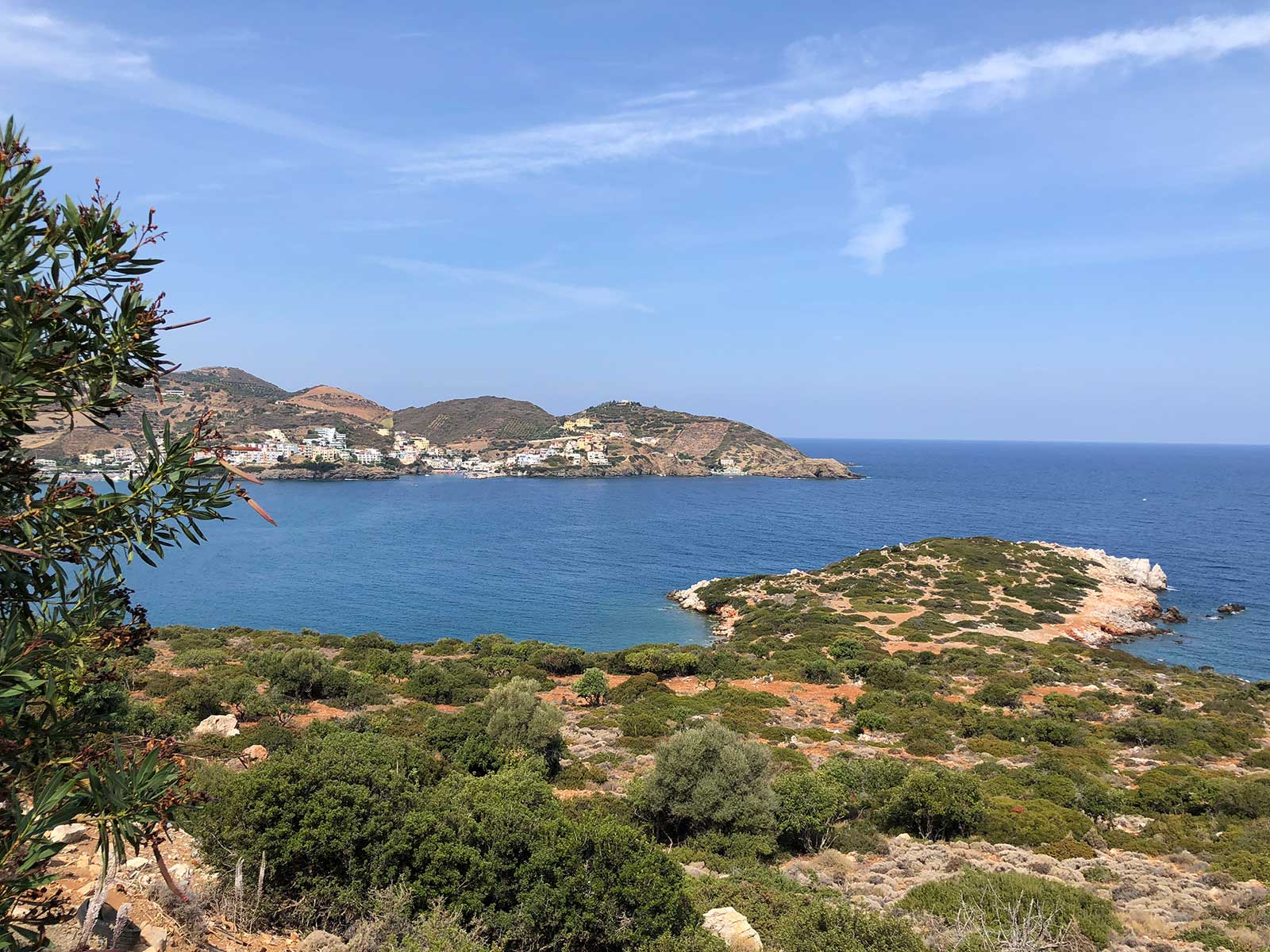
Heraklion Travel Guide: Exploring Crete's Capital City & Beyond
Heraklion, Crete's vibrant capital, pulses with a captivating energy that blends ancient history with modern urban life. As the largest city on the island, it serves as an indispensable gateway for travelers eager to uncover Crete's rich heritage and breathtaking landscapes.
Why Visit Heraklion?
More than just a transit hub, Heraklion is a destination in itself, offering a fascinating glimpse into thousands of years of history, from Minoan civilization to Venetian rule and Ottoman influence. Its strategic location also makes it the perfect base for exploring some of Crete's most iconic attractions and natural wonders.
Getting to Heraklion & Getting Around
Arrival by Air or Sea
Heraklion is easily accessible thanks to the Nikos Kazantzakis International Airport (HER), one of Greece's busiest airports, connecting the city with numerous European destinations. For those arriving by sea, Heraklion Port is a major hub for ferries traveling to and from mainland Greece and other Aegean islands.
Navigating the City
Once in Heraklion, the city center is largely walkable, allowing you to explore its charming streets and historical sites on foot. For longer distances or trips outside the city, a reliable public bus system connects various neighborhoods and key attractions. Taxis are readily available, and for greater flexibility in exploring the wider region, car rental services are abundant.
Must-See Sights in Heraklion City
Heraklion's past is etched into its very fabric, offering a wealth of historical and cultural experiences.
Heraklion Archaeological Museum
A visit to the Heraklion Archaeological Museum is an absolute must. Housing the most significant collection of Minoan artifacts in the world, it provides an unparalleled insight into the sophisticated civilization that flourished on Crete over 4,000 years ago. From exquisite frescoes to intricate pottery and jewelry, the exhibits paint a vivid picture of ancient life.
Koules Fortress
Dominating the entrance to Heraklion's Venetian harbor, the imposing Koules Fortress (Castello a Mare) stands as a proud testament to the city's maritime history. Built by the Venetians in the 16th century, it once protected the city from invaders. Today, visitors can explore its robust walls, enjoy panoramic views of the harbor, and sometimes catch cultural events held within its ancient confines.
Lion Square (Platia Eleftherias & Morosini Fountain)
At the heart of Heraklion lies Lion Square, officially known as Platia Eleftherias. This bustling central plaza is famous for the Morosini Fountain, an elaborate Venetian creation adorned with four lions spouting water. Surrounded by cafes, shops, and restaurants, it's a perfect spot to relax, people-watch, and soak in the city's atmosphere.
St. Minas Cathedral
One of Greece's largest cathedrals, the impressive Agios Minas Cathedral is a majestic landmark in Heraklion. Its grand architecture, intricate frescoes, and towering bell towers make it a significant religious and architectural site. Adjacent to it, the smaller, older church of Agios Minas offers a glimpse into earlier ecclesiastical design.
Shopping and Dining
Heraklion offers a vibrant shopping scene, from modern boutiques on Daedalou Street to traditional craft shops in the old town. 25th August Street, leading from Lion Square to the harbor, is lined with shops, cafes, and restaurants. The city also boasts a lively food market, where you can find local produce, cheeses, and spices, offering an authentic taste of Cretan life.
Beyond the City: Day Trips & Nearby Attractions
Heraklion's central location on Crete makes it an ideal starting point for exploring the island's diverse attractions.
The Palace of Knossos
Just a short drive south of Heraklion lies the legendary Palace of Knossos, the ceremonial and political center of the Minoan civilization and arguably Crete's most famous archaeological site. Explore the sprawling ruins, discover the throne room, and marvel at the vibrant frescoes that hint at the grandeur of King Minos's ancient kingdom. A visit here is a journey back in time to the Bronze Age.
"The Palace of Knossos, often associated with the myth of the Minotaur and the Labyrinth, provides a profound connection to ancient Greek mythology and history, making it an essential visit for any traveler to Crete."
CRETAquarium Thalassokosmos
For a family-friendly excursion, head east of Heraklion to the CRETAquarium, one of Europe's largest aquariums. It showcases the incredible biodiversity of the Mediterranean Sea, with a wide array of marine life from sharks and stingrays to colorful reef fish. It's an educational and engaging experience for all ages.
Wineries and Olive Groves
The region around Heraklion is dotted with picturesque vineyards and olive groves. Consider a day trip to explore local wineries, where you can learn about Cretan winemaking traditions and sample indigenous varietals. Many also offer tours and tastings of their exquisite olive oils.
Southern Coast Beaches
While Heraklion itself has no major beaches, the south coast of Crete, accessible via a scenic drive, boasts stunning stretches of sand and crystal-clear waters. Places like Matala or Agia Galini offer a different vibe and beautiful swimming opportunities. For those willing to venture further west, iconic beaches like Balos Beach offer unparalleled natural beauty, though they require a longer journey.
Lassithi Plateau
Escape to the tranquility of the Lassithi Plateau, a fertile plain nestled high in the Dikti Mountains. Famous for its traditional windmills (many now decorative), charming villages, and cool mountain air, it offers a refreshing change of scenery and a glimpse into rural Cretan life.
Culinary Delights: What to Eat & Drink
Cretan cuisine is renowned for its fresh ingredients, healthy Mediterranean influences, and rich flavors. Heraklion is the perfect place to indulge.
- Dakos:A classic Cretan salad made with barley rusks, ripe tomatoes, crumbled feta or mizithra cheese, olives, capers, and plenty of olive oil.
- Kalitsounia:Small cheese pies, often sweet with mizithra and honey, or savory with herbs.
- Fresh Seafood:Given its coastal location, Heraklion offers an abundance of fresh fish and seafood, best enjoyed grilled or fried at a taverna by the harbor.
- Mezedes:A selection of small dishes, perfect for sharing, often accompanied by local wine orrakí(a potent grape-based spirit).
- Olive Oil:Crete is famous for its high-quality olive oil, a staple in almost every dish.
Practical Tips for Travelers
- Best Time to Visit:Spring (April-May) and autumn (September-October) offer pleasant weather, fewer crowds, and lush landscapes. Summer (June-August) is ideal for beach lovers but can be hot and busy.
- Language:Greek is the official language. English is widely spoken in tourist areas, but learning a few basic Greek phrases like "Kalimera" (good morning) and "Efharisto" (thank you) is always appreciated.
- Currency:Euro (€).
- Local Customs:Greeks are generally warm and hospitable. A common greeting involves a handshake, and casual dress is acceptable in most places, though modest attire is respectful when visiting churches and monasteries.
Conclusion
Heraklion is a city that truly offers something for everyone. From its ancient Minoan roots to its bustling modern streets, it's a place where history comes alive and vibrant culture thrives. Whether you're delving into archaeological wonders, savoring exquisite local cuisine, or using it as a launchpad to explore the wider wonders of Crete, Heraklion promises an unforgettable travel experience.