
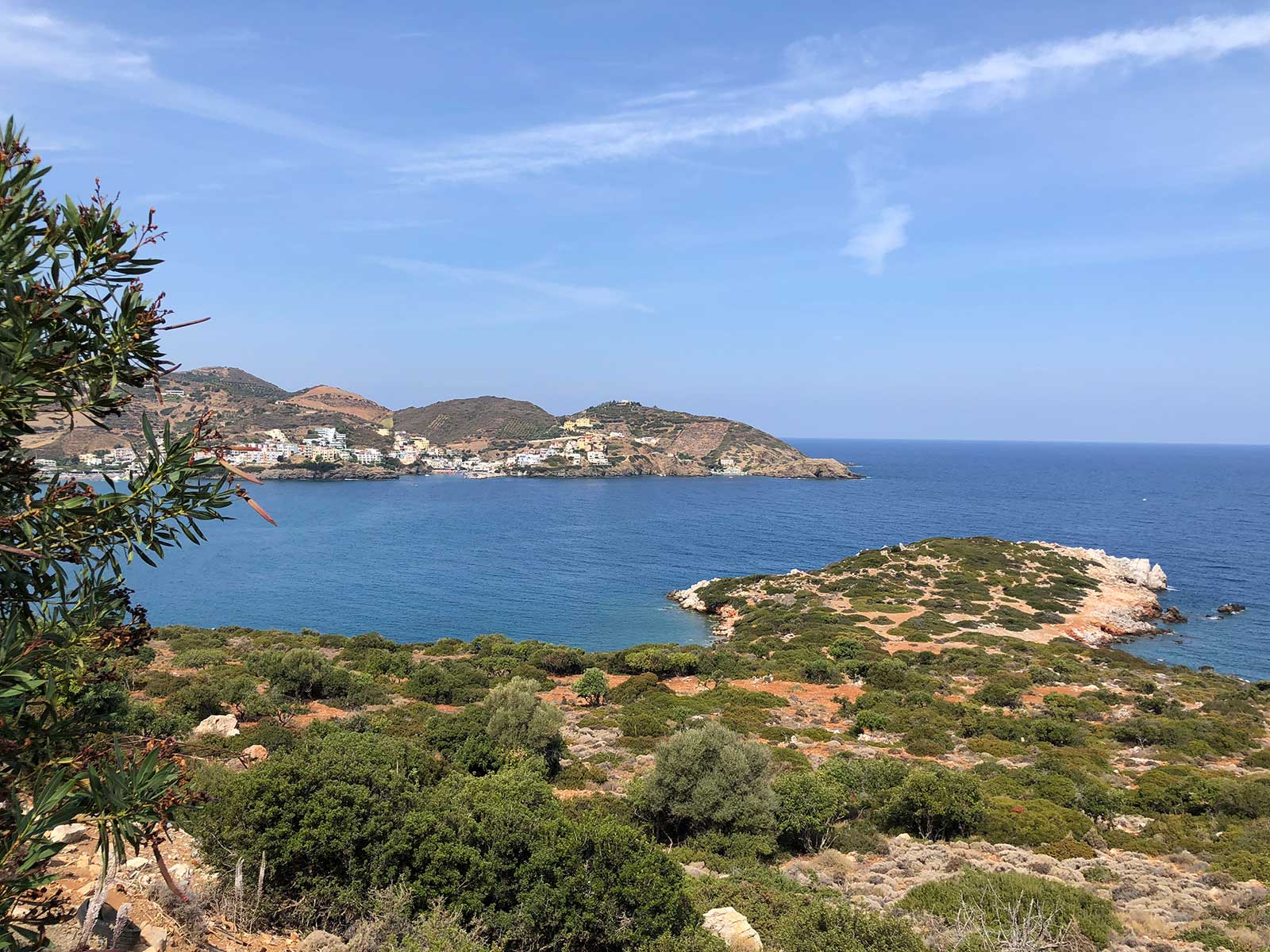
Day Trips from Heraklion: Discover Ancient Sites & Traditional Villages
Heraklion, the vibrant capital of Crete, serves as an ideal base for exploring the island's rich tapestry of history, culture, and natural beauty. Beyond its bustling city limits lie a wealth of ancient wonders and charming villages, each offering a unique glimpse into Crete's soul. Embark on unforgettable day trips to uncover the island's legendary past and experience its authentic present.
Unearthing Ancient Civilizations: A Journey Through Time
Crete is the cradle of the Minoan civilization, Europe's first advanced society, and its legacy is palpable in the remarkable archaeological sites scattered across the landscape. Venturing out from Heraklion provides direct access to these historical treasures, allowing you to walk in the footsteps of ancient kings and discover the origins of European culture.
Knossos Palace: The Heart of Minoan Crete
Just a short drive south of Heraklion lies the magnificent Knossos Palace, the largest and most famous Minoan palatial complex. This sprawling archaeological site, believed to be the mythical Labyrinth of King Minos and home to the Minotaur, offers a profound insight into a sophisticated Bronze Age society that flourished over 4,000 years ago. Explore the partially reconstructed ruins, vibrant frescoes depicting dolphins and bull-leaping, and intricate architectural details that once comprised the political, economic, and religious center of Minoan Crete. A visit here is an essential journey back in time, revealing the grandeur of a lost civilization that predates classical Greece.
Travel Tip:To truly appreciate Knossos, consider hiring a licensed guide at the entrance or joining an organized tour. Their expertise can bring the ancient stones and myths to life with captivating stories and historical context, enhancing your understanding of this pivotal site.
Phaistos Palace: A Serene Minoan Grandeur
Further south, overlooking the fertile Messara Plain, stands the equally significant but often less crowded Phaistos Palace. This Minoan palace, while not as extensively reconstructed as Knossos, offers a more evocative and perhaps more authentic sense of the Minoan past. Its strategic location provides breathtaking panoramic views of the surrounding landscape, and its layout suggests a highly organized society with advanced urban planning. Phaistos is also famously associated with the enigmatic Phaistos Disc, a unique artifact bearing an undeciphered hieroglyphic script, adding to its enduring mystique and archaeological importance.
Gortyn: Roman Capital and Lawgiver
South of Phaistos, the sprawling archaeological site of Gortyn unfolds a different chapter of Crete's history. Once the Roman capital of Crete and Cyrenaica, Gortyn boasts impressive ruins from the Roman and Early Christian periods. Its most famous treasure is the Law Code of Gortyn, inscribed on large stone blocks in the 5th century BC, providing invaluable insights into ancient Greek legal systems and societal structure. Wander among the remnants of temples, a Roman Odeon, a Nymphaeum, and the vast basilica of Agios Titos, reflecting centuries of diverse civilizations that shaped the island and left their indelible mark.
Stepping into Traditional Cretan Life: Villages Frozen in Time
Beyond the ancient ruins, Crete's heart beats strongest in its traditional villages, where time seems to slow down, and age-old customs endure. These excursions offer a taste of authentic Cretan hospitality, exquisite local cuisine, and stunning mountain landscapes, providing a stark and beautiful contrast to the bustling city life of Heraklion.
Anogia: A Symbol of Resilience
Nestled high in the Psiloritis mountains, Anogia is more than just a village; it's a living monument to Cretan resilience and tradition. Known for its strong spirit of independence and history of resistance during various occupations, Anogia offers visitors a genuine glimpse into mountain life. Explore its stone-built houses, discover local artisans crafting traditional textiles and wood carvings, and savor authentic Cretan dishes in family-run tavernas. The village is also a convenient gateway to the Nida Plateau and the legendary Ideon Cave, reputedly the birthplace of Zeus, making it a compelling destination for both culture and myth enthusiasts.
Zaros & Lake Votomos: Nature's Oasis
For those seeking tranquility amidst nature, a trip to Zaros is highly recommended. Famous throughout Crete for its bottled spring water, Zaros is a verdant village situated at the foot of Mount Psiloritis. The highlight is Lake Votomos, a beautiful artificial lake fed by mountain springs, perfect for a leisurely stroll, picnicking, or even fishing in its clear waters. Nearby, the historic Monastery of Agios Nikolaos provides a serene spiritual retreat, and numerous walking trails lead into the surrounding gorges and forests, offering refreshing escapes from the summer heat and opportunities for gentle hikes.
Archanes: Wine, Culture, and Minoan Echoes
Just a short drive south of Heraklion, Archanes is a charming agricultural town renowned for its award-winning wines and olive oil. This meticulously restored village boasts neoclassical architecture, vibrant squares, and a relaxed atmosphere that invites exploration. Archanes also holds significant Minoan history, with archaeological findings suggesting it was once an important Minoan center, possibly a summer residence for the Knossos royalty. Explore its quaint streets, visit local wineries for a tasting of indigenous varietals, and immerse yourself in the rich cultural heritage that defines this picturesque corner of Crete, often referred to as a "model village."
Kritsa: The Picturesque Artist's Village
Perched gracefully on a hillside overlooking the Mirabello Bay, Kritsa is one of Crete's oldest and most picturesque villages. Famed for its traditional crafts, especially weaving and embroidery, Kritsa invites visitors to wander its narrow, winding streets, admire the whitewashed houses adorned with vibrant flowers, and browse artisan shops showcasing local produce and handcrafted goods. Just outside the village stands the magnificent Byzantine church of Panagia Kera, renowned for its exquisite 14th and 15th-century frescoes, which are among the best-preserved examples of Byzantine art in Crete, making it a significant cultural stop for art and history lovers.
Practical Tips for Your Heraklion Day Trips
Maximizing your day trip experience requires a little planning. Here are some practical considerations to ensure a smooth and enjoyable adventure as you explore the wonders surrounding Heraklion:
Transportation: Getting Around
- Rental Car:For ultimate flexibility and the ability to explore off-the-beaten-path destinations at your own pace, renting a car is highly recommended. Crete's road network is generally good, and navigation is straightforward with GPS.
- Public Buses (KTEL):Crete has an excellent and affordable public bus system (KTEL) connecting Heraklion to many major towns and some villages. Check schedules in advance, especially for less frequent routes to smaller settlements.
- Organized Tours:If you prefer a hassle-free experience with expert guidance, numerous tour operators in Heraklion offer organized day trips to popular sites, often including comfortable transportation and a knowledgeable guide, taking care of all the logistics.
When to Go
The shoulder seasons (April-May and September-October) are ideal for day trips. The weather is pleasantly mild, the landscapes are lush and green, and the crowds are thinner, allowing for a more serene experience at popular sites. While summer (June-August) is a popular time, be prepared for higher temperatures and more visitors, especially at major archaeological sites. Early mornings are always best for popular attractions like Knossos to beat both the heat and the crowds.
What to Bring
- Comfortable Walking Shoes:Essential for exploring ancient sites with uneven terrain and charming but often cobbled village streets.
- Sun Protection:A wide-brimmed hat, sunglasses, and high-SPF sunscreen are a must, even on seemingly cloudy days, as the Cretan sun can be intense.
- Water:Stay hydrated, especially during warmer months or when engaging in light hiking.
- Camera:To capture the stunning landscapes, historical wonders, and memorable moments.
- Light Layers:Evenings can be cooler, particularly in the mountain villages, so a light jacket or cardigan is advisable.
Embrace Cretan Cuisine
No day trip is complete without indulging in the local gastronomy. Seek out traditional tavernas in the villages for authentic Cretan dishes likedakos(barley rusks with tomato and feta),kalitsounia(sweet or savory cheese pies), fresh seafood caught locally, and slow-cooked lamb or goat. Pair your meal with excellent local wine or a shot of raki (tsikoudia) for a truly immersive cultural experience that engages all your senses.
Conclusion: Your Cretan Adventure Awaits
Heraklion serves as an exceptional starting point for a myriad of captivating day trips, offering a perfect blend of ancient history, vibrant culture, and breathtaking natural beauty. Whether you're drawn to the myths of Minoan palaces, the authenticity of mountain villages, or the serene beauty of the Cretan landscape, venturing out from the city promises unforgettable discoveries. Pack your curiosity and let Crete reveal its timeless wonders, one incredible day trip at a time.