
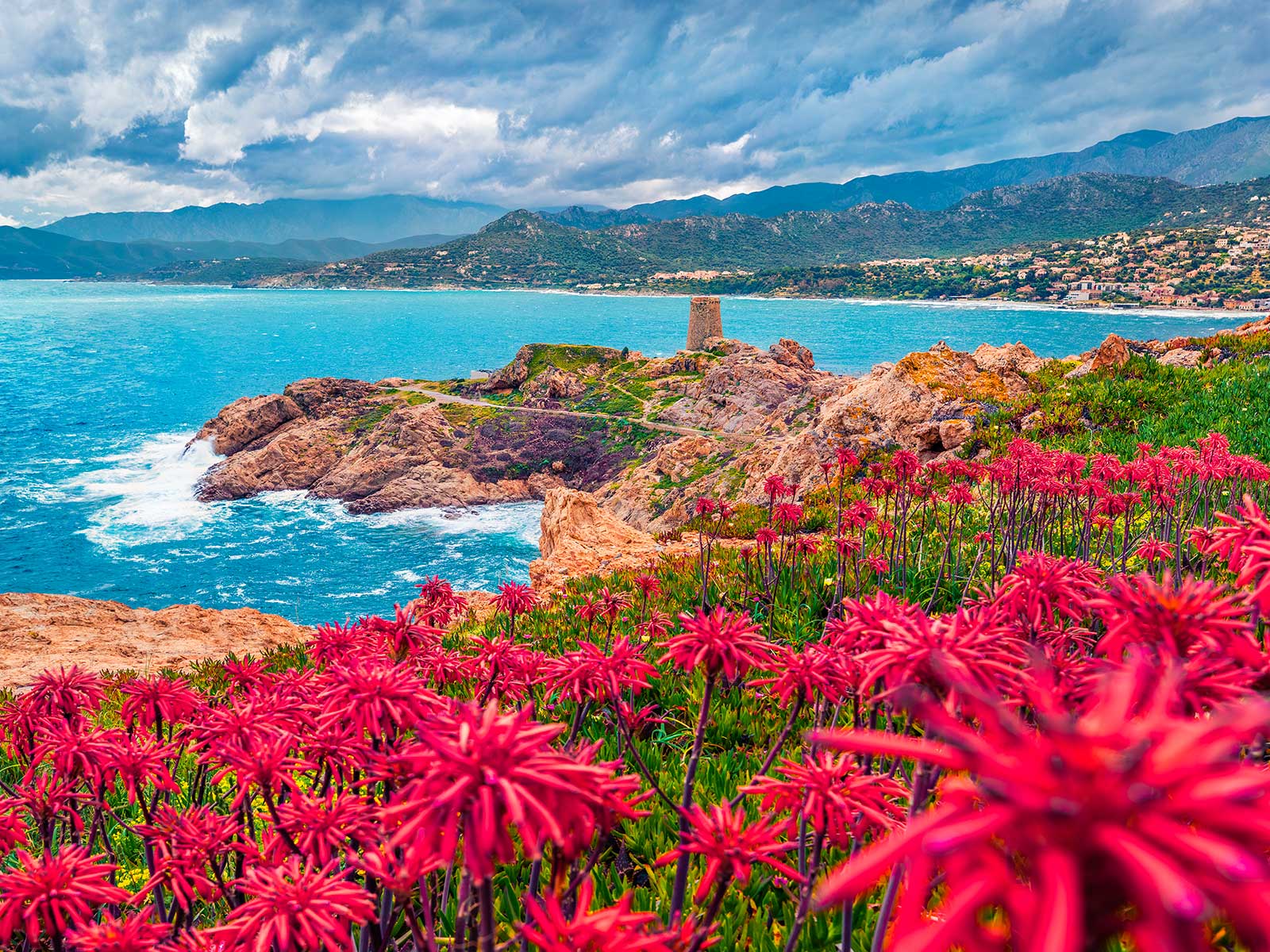
Is Corsica Safe? Essential Travel Tips for a Worry-Free Trip
Known as the "Island of Beauty," Corsica captivates visitors with its dramatic landscapes, pristine beaches, and rich culture. While planning a trip to this Mediterranean gem, it's natural to wonder about safety. Rest assured, Corsica is generally a very safe destination, but like any travel, a little preparation goes a long way to ensure a truly worry-free experience.
Overall Safety in Corsica: What to Expect
Corsica boasts a low crime rate, making it a welcoming destination for tourists. Violent crime is rare, and most visitors experience no issues beyond typical travel inconveniences. The island operates under French law, benefiting from a well-established security infrastructure.
That said, it's prudent to be aware of petty crime, particularly in popular tourist hubs and during peak season. Pickpocketing and car break-ins, while not rampant, can occur, especially if precautions aren't taken. Historical political tensions, often associated with a Corsican nationalist movement, have largely subsided and rarely impact tourists directly. The atmosphere today is overwhelmingly peaceful and focused on hospitality.
Common Safety Concerns & How to Mitigate Them
Petty Crime and Theft
While serious crime is uncommon, petty theft is the most frequent concern for travelers. This often involves opportunistic snatch-and-grab incidents or valuables left visible in parked cars.
- Be Aware in Crowded Areas:When exploring bustling markets, popular beaches like Palombaggia Beach or Santa Giulia Beach, or busy town centers like Ajaccio, keep an eye on your belongings. Use a cross-body bag or a money belt.
- Car Security:Rental cars are often targeted if valuables are left in plain sight. Always lock your car and remove all luggage, electronics, and important documents when parked, even for a short stop. Opt for secure parking lots when available.
- Accommodation Safety:Utilize hotel safes for passports, large sums of cash, and other irreplaceable items.
Driving in Corsica
Navigating Corsica's roads is an adventure in itself, but it requires caution due to the island's mountainous terrain and sometimes narrow, winding routes.
- Mountain Roads:Many roads, especially inland, are steep, narrow, and feature numerous hairpin bends. Drive defensively, anticipate oncoming traffic, and use lower gears on descents.
- Speed Limits:Adhere strictly to speed limits, which are often lower on these challenging roads.
- Road Conditions:While main roads are generally well-maintained, some rural paths can be rough or unpaved. Be prepared for unexpected obstacles like livestock (especially goats or pigs) on the road.
- Parking:Finding parking in popular towns like Bonifacio can be challenging and sometimes requires navigating tight spaces.
Travel Tip:When renting a car, consider opting for full insurance coverage. This provides peace of mind on Corsica's sometimes challenging roads and during tight parking maneuvers.
Natural Dangers and Outdoor Activities
Corsica is a paradise for outdoor enthusiasts, but its wild beauty demands respect and preparation.
Hiking & Mountain Safety
From the legendary GR20 to countless shorter trails, hiking is a highlight. However, mountain conditions can change rapidly.
- Weather Awareness:Check forecasts before heading out. Sudden storms can bring rain and fog, making trails slippery and disorienting.
- Proper Gear:Always wear appropriate hiking boots, carry sufficient water, snacks, a map, and a fully charged phone. Inform someone of your route and expected return time.
- Specific Dangers:Areas like Cascades de Purcaraccia, while stunning, can have slippery rocks, especially after rain. Exercise extreme caution near waterfalls and steep drops.
Beaches & Water Safety
Corsica's stunning coastline offers beautiful swimming and watersports opportunities.
- Currents:While most popular beaches are safe, be aware of strong currents, especially on more exposed shores. Always swim where there are others and consider areas supervised by lifeguards during peak season.
- Marine Life:Encounters with jellyfish are rare but can occur. Look out for warning signs. Sea urchins are common in rocky areas; wearing water shoes is advisable, particularly around places like the Lavezzi islands.
- Sun Protection:The Mediterranean sun is intense. Use high SPF sunscreen, wear hats, and seek shade during peak hours. Stay hydrated.
Wildlife
Corsica's wildlife is generally not a threat to humans.
- Wild Boar (Cinghiale):You might spot wild boar, especially in rural or mountainous areas. They are usually shy but should not be approached, particularly if they have piglets.
- Insects & Reptiles:While there are a few snake species, most are harmless, and bites are rare. Mosquitoes can be present, especially near standing water; consider repellent.
Health & Medical Facilities
Healthcare in Corsica is of a good standard, operating within the French public health system.
- EHIC & Travel Insurance:If you're an EU citizen, carry your European Health Insurance Card (EHIC). For all travelers, comprehensive travel insurance is highly recommended to cover medical emergencies, evacuation, and trip cancellations.
- Pharmacies & Doctors:Pharmacies are widely available and easily identifiable by a green cross sign. Doctors (médecins) are found in towns. For emergencies, hospitals are located in larger cities like Ajaccio.
- Emergency Numbers:
- 112:European emergency number for all services.
- 15:SAMU (medical emergencies).
- 17:Police (Gendarmerie Nationale).
- 18:Fire (Sapeurs-Pompiers).
Specific Areas and Their Nuances
Corsica's diverse regions offer varying experiences and slightly different safety considerations.
- Coastal Towns vs. Inland Villages:Coastal areas and major towns are generally more populated with tourists, which can sometimes lead to a slightly higher incidence of petty crime. Inland villages, while charming and authentic, might have fewer facilities and require more self-sufficiency, especially regarding medical services or reliable mobile signal.
- Remote Areas:Destinations like the Désert des Agriates or the rugged Cap Corse, and certainly the protected Scandola Nature Reserve(accessible primarily by boat), require more planning. Ensure your vehicle is suitable for rougher roads if venturing off the main routes, and always carry enough water and supplies. Mobile signal can be intermittent in very remote spots.
Essential Travel Tips for a Smooth Trip
- Learn Basic French:While many in tourist areas speak English, a few basic French phrases (or even Corsican greetings) will be appreciated and can be helpful in unforeseen situations.
- Inform Someone of Your Plans:Especially if you're undertaking solo hikes or venturing into remote areas like the Calanques de Piana, let someone know your itinerary.
- Stay Aware of Your Surroundings:This is a universal travel tip, but always good to reiterate. Being present and observant can prevent many minor issues.
- Keep Valuables Secure:Don't flash large amounts of cash or expensive jewelry. Use secure pockets or bags.
- Have Emergency Contacts:Keep a list of important phone numbers (local emergency services, your accommodation, travel insurance) readily accessible.
- Respect Local Customs & Environment:Corsicans are proud of their island. Be respectful of local traditions and always practice Leave No Trace principles in nature.
What to Do in an Emergency
Despite all precautions, emergencies can happen. Knowing what to do can make a critical difference:
- Call 112:This is the universal European emergency number and will connect you to the appropriate service (ambulance, police, fire).
- Report Theft:If you are a victim of theft, report it immediately to the local Gendarmerie (police). You'll need a police report for insurance claims.
- Medical Assistance:For less urgent medical needs, ask your accommodation for the nearest doctor or pharmacy. For serious incidents, call 15 (SAMU) or go to the nearest hospital emergency room.
Conclusion
Corsica is an incredibly safe and rewarding destination, offering an unforgettable blend of natural beauty, culture, and adventure. By being mindful of your belongings, driving cautiously, preparing for outdoor activities, and having essential emergency information at hand, you can fully immerse yourself in the magic of the "Island of Beauty" with peace of mind. Travel smart, explore deeply, and enjoy all that Corsica has to offer!