
Exploring Corsica's Natural Parks & Reserves: Guide to Protected Areas
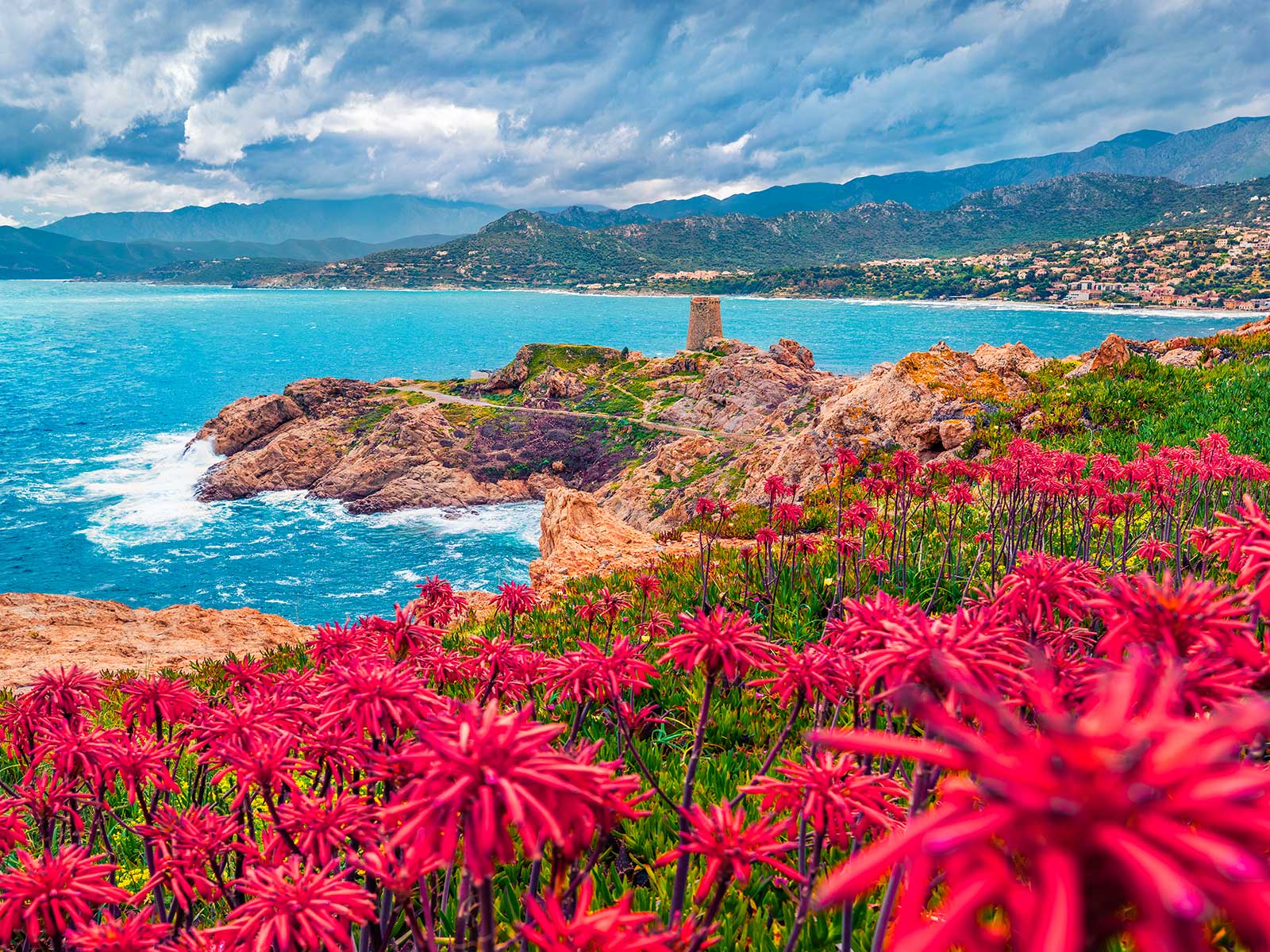
Corsica, the "Island of Beauty," lives up to its name with a remarkable diversity of landscapes, from rugged mountains to pristine coastlines. A significant portion of this Mediterranean gem is safeguarded by an extensive network of natural parks and reserves, ensuring its unique ecosystems and breathtaking scenery endure for generations. This guide delves into these protected areas, offering insights for responsible exploration.
The Heart of Corsica: Parc Naturel Régional de Corse (PNRC)
At the core of Corsica's conservation efforts is the Parc Naturel Régional de Corse(PNRC), established in 1972. Covering nearly 40% of the island's landmass, this vast regional park encompasses dramatic mountain ranges, ancient forests, glacial lakes, and deep river valleys. It's a testament to Corsica's wild heart, protecting both its natural heritage and traditional way of life.
Diverse Landscapes Within the PNRC
- The Central Mountain Chain:Home to Corsica's highest peaks, including Monte Cinto, Monte Rotondo, and Monte d'Oro. This is the realm of the legendary GR20, one of Europe's most challenging long-distance hiking trails.
- Ancient Forests:The park protects magnificent forests like Aïtone and Vizzavona, dominated by Laricio pines, some centuries old. These forests are vital habitats for diverse wildlife, including Corsican mouflon and red deer.
- River Valleys & Gorges:Areas like the Restonica Valley, Gorges de Spelunca, and Tavignano Gorges offer stunning hiking opportunities, with crystal-clear rivers and refreshing natural pools. The Cascades de Purcaraccia, known for their natural slides, are a highlight in the Aiguilles de Bavella region, another spectacular area within the park.
- UNESCO World Heritage Sites:The PNRC proudly encompasses sections of Corsica's two UNESCO Natural World Heritage Sites: the Calanques de Piana and the Scandola Nature Reserve. These are exceptional examples of geological and ecological importance.
Coastal and Marine Protected Areas
Corsica's coastline is just as precious as its interior, with several reserves dedicated to preserving its unique marine and coastal ecosystems.
Scandola Nature Reserve: A Marine and Terrestrial Masterpiece
The Scandola Nature Reserve, accessible primarily by boat from towns like Porto, Cargèse, or Calvi, is a strict nature reserve and a UNESCO World Heritage Site. Its volcanic origins are evident in the spectacular red porphyry cliffs, sea caves, and islets that plunge into the turquoise Mediterranean. It's a sanctuary for marine birds like ospreys, cormorants, and shearwaters, and its pristine waters teem with diverse marine life, making it a diver's paradise. Landings are strictly forbidden to protect its fragile ecosystem, but boat tours offer unparalleled views.
Réserve Naturelle des Bouches de Bonifacio (Marine Park)
South of Bonifacio lies the largest marine reserve in mainland France, the Bouches de Bonifacio Nature Reserve. This expansive park protects the strait between Corsica and Sardinia, a crucial migratory route for marine mammals and a rich habitat for various fish species, dolphins, and even occasional whales.
- Lavezzi Islands:A jewel within the Bouches de Bonifacio, this archipelago boasts unique granite formations, crystal-clear waters, and is a haven for seabirds. Visitors can explore marked trails and enjoy swimming, but strict rules apply to protect the delicate environment.
- Cap de Pertusato & Bonifacio Cliffs:The dramatic white limestone cliffs around Bonifacio are also part of this protected zone, offering breathtaking coastal vistas and opportunities for birdwatching.
Désert des Agriates: Wild Coastline and Maquis
North of Saint-Florent, the Désert des Agriates is a unique coastal region managed by the Conservatoire du Littoral. Far from a true desert, it's a vast expanse of fragrant maquis shrubland, rocky hills, and incredibly pristine beaches like Saleccia and Lotu. Accessible by 4x4 tracks, boat, or challenging hikes, it offers a glimpse into Corsica's untamed coastline, free from development. It’s a fantastic place for hiking, mountain biking, and enjoying secluded sandy coves.
Cap Corse: A Protected Peninsula
The rugged northern peninsula of Cap Corse, while not a single unified park, features numerous protected areas, particularly along its dramatic western coast. The Sentier des Douaniers, an ancient customs officers' path, offers superb coastal hiking through protected maquis and past picturesque Genoese towers. Efforts are continuously made to preserve its traditional villages and wild landscapes.
Fun Fact:The Corsican mouflon, a wild sheep endemic to the island, is a protected species and a symbol of the Parc Naturel Régional de Corse. Sightings are rare but incredibly rewarding for hikers in the high mountains.
Exploring Responsibly: Tips for Visitors
Visiting Corsica's protected areas is a privilege that comes with the responsibility of preserving their natural beauty for future generations. Here are some essential tips:
- Leave No Trace:Pack out everything you pack in, including all trash. Avoid disturbing plants, rocks, or wildlife.
- Stay on Marked Trails:This protects fragile ecosystems, prevents erosion, and ensures your safety.
- Respect Wildlife:Observe animals from a distance. Never feed wild animals.
- Water Conservation:Water resources are precious, especially in summer. Use water sparingly.
- Fire Safety:Wildfires are a serious threat in Corsica. Strictly adhere to all fire regulations; campfires are often forbidden.
- Boating & Diving:When in marine reserves, respect speed limits, mooring regulations, and avoid disturbing marine life or coral formations.
- Support Local:Choose local guides and businesses that prioritize sustainable tourism.
Planning Your Adventure
Corsica's protected areas offer activities for every type of adventurer. Whether you're based in Ajaccio for easy access to the western coast and PNRC, or exploring the south from Bonifacio, planning is key.
- Best Time to Visit:Spring (April-June) and Autumn (September-October) are ideal for hiking, with pleasant temperatures and fewer crowds. Summer (July-August) is perfect for coastal activities, but mountain trails can be very hot, and popular sites can be busy.
- Getting Around:A rental car is highly recommended for exploring the PNRC and coastal reserves. For specific marine reserves like Scandola or the Lavezzi Islands, boat tours are essential.
- Guided Tours:Consider hiring a local guide, especially for challenging hikes or specialized activities like canyoning or diving. They offer valuable insights into the local environment, culture, and ensure safety.
Conclusion
Corsica's natural parks and reserves are more than just scenic spots; they are vital sanctuaries preserving the island's unique biodiversity, dramatic landscapes, and cultural heritage. From the towering peaks of the PNRC to the vibrant underwater world of Scandola and the Bouches de Bonifacio, these protected areas invite responsible travelers to discover the raw, untamed beauty that defines the "Island of Beauty." Embrace the adventure, but always remember to tread lightly and respect the wild spirit of Corsica.