
Exploring Calanques de Piana: Essential Visitor Guide
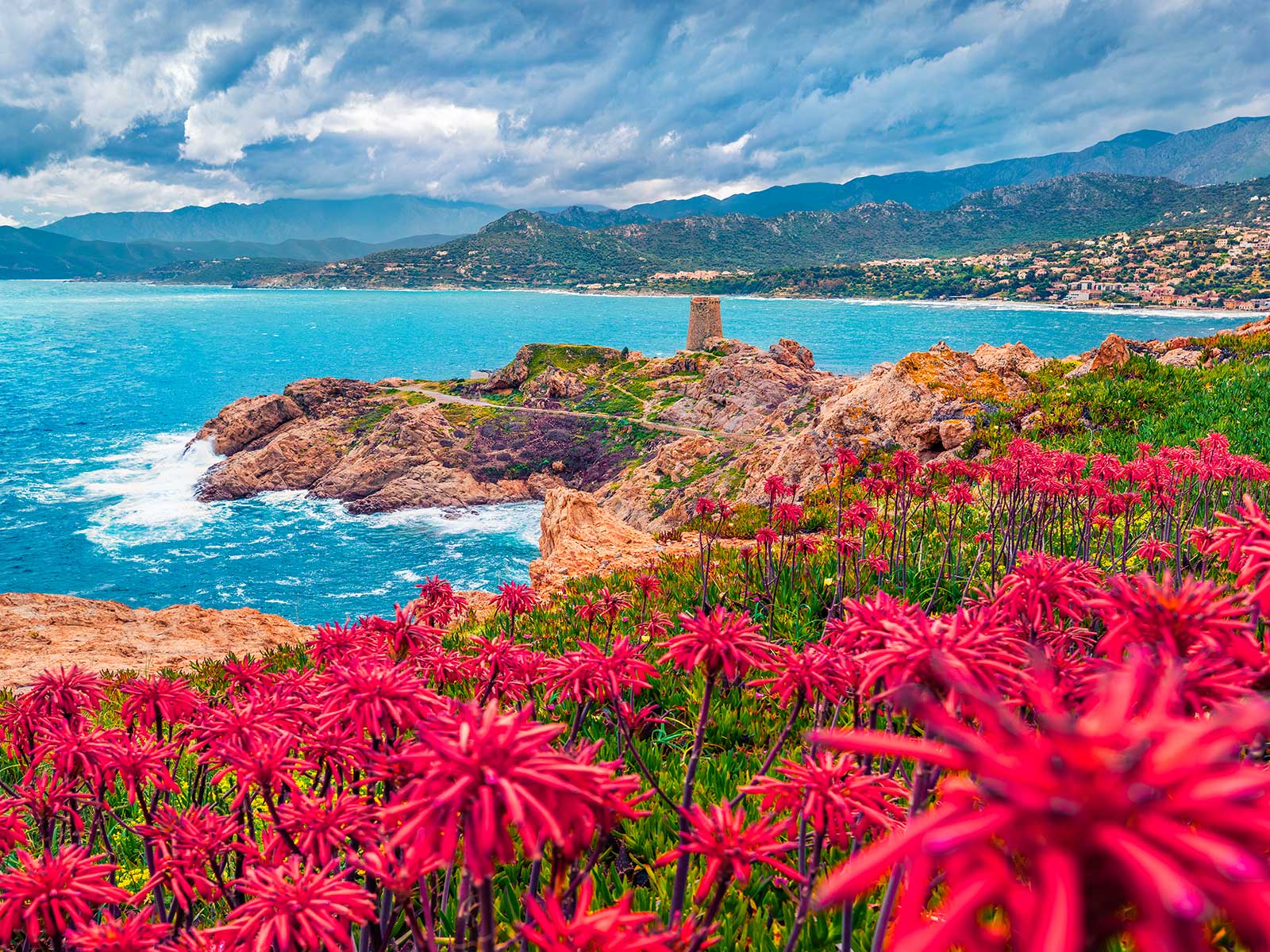
Nestled on Corsica's rugged west coast, the Calanques de Piana present a breathtaking spectacle of sculpted red granite cliffs plunging into the turquoise Mediterranean. This UNESCO World Heritage site offers an unforgettable experience, whether explored by land or sea. Discover how to best navigate these dramatic landscapes with our essential visitor guide.
A UNESCO Masterpiece: What Makes the Calanques de Piana Unique?
The Calanques de Piana, orCalanques de Pianain French, are a series of stunning red-orange granite rock formations carved by centuries of wind and sea erosion. Located between the villages of Piana and Porto, these dramatic landscapes are part of the larger Gulf of Porto, which also encompasses the Scandola Nature Reserve. This entire area was collectively designated a UNESCO World Heritage site in 1983, recognized for its outstanding natural beauty and ecological significance.
The rocks glow with vibrant hues, shifting from fiery orange to deep red, especially during sunrise and sunset. Visitors are captivated by the fantastical shapes the erosion has created – often likened to animals, human figures, or even a heart, making it a truly unique natural gallery. The contrast between the vivid red cliffs, the deep blue sea, and the lush green maquis (Corsican scrubland) is a visual feast, offering unparalleled photographic opportunities.
Getting There: Your Gateway to the Calanques
Accessing the Calanques de Piana is an adventure in itself, with various options catering to different preferences.
By Car
The most iconic way to experience the Calanques by land is by driving the D81 road that winds directly through them. This scenic route, often described as one of Europe's most beautiful coastal drives, connects Piana with Porto. Be prepared for narrow, winding roads with numerous hairpin bends, especially during peak season. There are several designated viewpoints and small parking areas along the way where you can safely pull over to admire the scenery and take photos. Driving slowly is key, allowing you to soak in the views and navigate safely.
Coming from a major hub like Ajaccio, the drive takes approximately 1.5 to 2 hours, offering stunning coastal views before you even reach the Calanques.
By Boat
Exploring the Calanques de Piana from the sea offers a completely different perspective, revealing hidden caves, secluded coves, and the full grandeur of the cliffs rising from the water. Boat tours typically depart from the port of Porto (Porto-Ota), Cargèse, or even from the small marina in Piana.
- Standard Tours:Many tours focus solely on the Calanques, offering close-up views of the rock formations and often including a swim stop in a crystal-clear cove.
- Combined Tours:For a more comprehensive experience, opt for a tour that combines the Calanques de Piana with a visit to the adjacent Scandola Nature Reserve. These tours usually last half a day or more and provide an exceptional insight into Corsica's protected marine and coastal environments.
- Smaller Boats:Choose smaller, faster boats (like RIBs) for a more intimate experience, allowing access to smaller caves and closer views of the formations.
Booking in advance, especially during the high season (July and August), is highly recommended.
Kayak or Paddleboard
For the adventurous and those seeking a truly immersive experience, exploring the Calanques by kayak or paddleboard allows you to navigate at your own pace. You can rent equipment from Porto or nearby beaches and paddle into the sea caves and along the dramatic coastline. This offers an unparalleled sense of tranquility and allows you to discover secluded spots inaccessible to larger boats. Always check weather conditions and wear appropriate safety gear.
Exploring by Foot: Hiking Trails
While the D81 offers incredible roadside views, hiking through the Calanques provides an intimate connection with the landscape and allows you to reach viewpoints unseen from the road. Be sure to wear sturdy hiking shoes, bring plenty of water, and protect yourself from the sun.
- Sentier des Muletiers (Mule Track):This relatively easy trail starts near the "Tête de Chien" (Dog's Head) rock formation on the D81. It offers stunning panoramic views of the Calanques and the Gulf of Porto. The path is well-marked and takes about 1-2 hours round trip.
- Chemin du Château Fort:This trail leads to the ruins of an old fort, offering another fantastic viewpoint over the Calanques and the sea. It's a moderate hike, often starting from Piana village, and provides a different perspective of the rock formations.
- Capo Rosso:For a more challenging and rewarding hike, consider the trail to Capo Rosso. While not directly within the Calanques, this hike, starting from a point on the D81 south of Piana, leads to a Genoese tower on a dramatic red promontory, offering breathtaking views of the Calanques, the Gulf of Porto, and the Scandola Nature Reserve in the distance. This is a longer, more strenuous hike (around 3-4 hours round trip) but well worth the effort for experienced hikers.
The Best Time to Visit
The Calanques de Piana are spectacular year-round, but certain times offer optimal conditions:
- Spring (April-June) and Early Autumn (September-October):These seasons offer pleasant temperatures, fewer crowds, and vibrant flora. The light during these periods is often softer, ideal for photography.
- Summer (July-August):While popular, summer can be very hot and crowded. Book accommodations and tours well in advance. The sea is warmest for swimming.
- Time of Day:For the most dramatic colors, visit during sunrise or, even better, sunset. The low sun angles illuminate the red granite, making it glow with an intense fiery hue. Boat tours often schedule trips around these times for this very reason.
Practical Tips for Your Visit
- Sun Protection:The Corsican sun can be intense. Always wear a hat, sunglasses, and high-SPF sunscreen, especially if you're hiking or on a boat tour.
- Hydration:Carry plenty of water, particularly if hiking. There are limited places to refill along the D81 in the heart of the Calanques.
- Footwear:Sturdy, comfortable shoes are essential for exploring, especially if you plan to hike.
- Parking:Parking along the D81 can be challenging, especially during peak season. Use designated viewpoints and small pull-offs. In Piana and Porto, larger parking areas are available.
- Respect Nature:The Calanques are a protected UNESCO site. Stick to marked trails, do not disturb wildlife, and take all your rubbish with you.
- Accommodation:The charming village of Piana offers hotels and guesthouses with stunning views. Porto (Porto-Ota) also provides numerous options, particularly convenient for boat tour departures.
Expert Tip:When driving through the Calanques, remember to keep your eyes on the road, but also take advantage of the numerous designated viewpoints. Pull over safely to fully appreciate the breathtaking panoramas and capture your memories without distraction.
Beyond Piana: Nearby Corsican Gems
The Calanques de Piana are a highlight of Corsica's west coast, but the region offers much more to explore:
- Porto-Ota:A picturesque village at the head of the Gulf of Porto, offering boat tours, restaurants, and a relaxing atmosphere.
- Scandola Nature Reserve: Directly north of the Calanques, this marine and terrestrial reserve is another UNESCO site, renowned for its pristine marine life and dramatic volcanic cliffs. It's best explored by boat, often combined with a Calanques tour.
- Ajaccio: Corsica's capital city, located further south, offers historical sites, museums (including Napoleon's birthplace), and a bustling port.
- Cargèse:A unique village south of Piana, known for its two churches (Greek Orthodox and Latin Rite) facing each other, symbolizing its rich cultural history.
Conclusion
The Calanques de Piana stand as a testament to nature's artistry, offering a landscape of unparalleled beauty and drama. Whether you choose to navigate its winding roads, embark on a scenic boat trip, or explore its trails on foot, a visit to this UNESCO World Heritage site promises an unforgettable experience. Prepare to be mesmerized by the vibrant colors, fantastical shapes, and the sheer majesty of Corsica's wild western coast.