
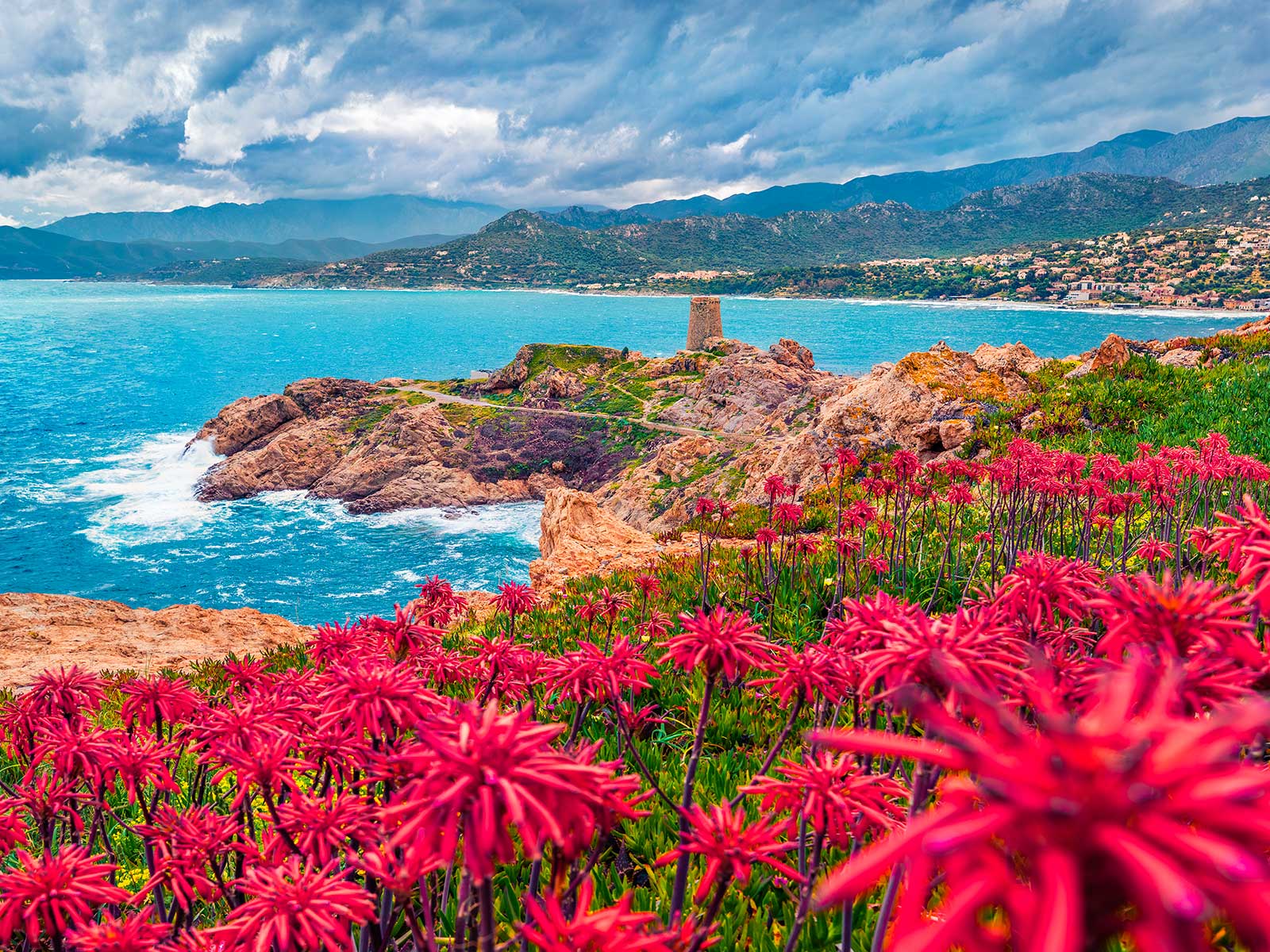
Driving in Corsica: Tips for Navigating the Island Roads
Corsica, the "Island of Beauty," beckons with its rugged mountains, pristine beaches, and charming villages. While its landscapes are undeniably stunning, exploring them fully often means taking to the roads. Driving here is an adventure in itself, requiring a blend of skill, patience, and an appreciation for the journey.
Why Drive in Corsica?
Hiring a car is undoubtedly the best way to experience the true essence of Corsica. Public transport options are limited, especially if you wish to venture off the main tourist routes. Driving offers unparalleled freedom and flexibility, allowing you to discover hidden coves, remote hiking trails, and authentic villages that remain untouched by mass tourism. Imagine spontaneously pulling over to capture a breathtaking view of the Calanques de Piana or finding your own secluded spot near Palombaggia Beach– this is the magic of driving in Corsica.
Choosing Your Rental Car
Size Matters
When selecting a rental car, opt for something compact. Corsica's roads, particularly in the interior and older towns, are notoriously narrow. A smaller vehicle will make navigating tight turns, squeezing past oncoming traffic, and parking significantly easier and less stressful. While a powerful engine might seem appealing for the mountain passes, agility often trumps raw horsepower here.
Manual vs. Automatic
Most rental cars in Corsica, as in much of Europe, will be manual transmission. If you're not comfortable driving a stick shift, be sure to request an automatic well in advance, as they are less common and tend to be more expensive.
Insurance and Extras
Always consider comprehensive insurance coverage. While you hope not to need it, the challenging roads and tight parking situations increase the likelihood of minor scrapes. Also, inquire about GPS. While your phone's navigation works, a dedicated GPS unit can be useful in areas with patchy mobile signal, especially in the more remote mountainous regions.
Understanding Corsican Roads
Mountain Passes and Hairpin Bends
Prepare for plenty of winding roads, steep ascents, and descents, especially if you plan to explore the island's interior. Many roads feature numerous hairpin bends, requiring careful navigation and reduced speeds. The stunning views from these elevated routes, however, are your reward.
Coastal Routes
Coastal roads offer spectacular vistas, often hugging cliff edges. While generally wider than mountain passes, they can still be winding and busy, particularly during peak season. Routes like the D81 from Piana towards Porto are famous for their dramatic scenery.
Road Surfaces
Overall, the main roads in Corsica are well-maintained. However, expect variations. In more remote areas, you might encounter gravel sections, potholes, or unpaved tracks, such as those leading into parts of the Désert des Agriates. Drive cautiously and be prepared for sudden changes in surface quality.
Key Driving Rules and Etiquette
Speed Limits
Speed limits are generally lower than on mainland France due to the nature of the roads. Pay close attention to signage. Outside built-up areas, the limit is often 90 km/h, but on many winding roads, it will be significantly reduced to 50 km/h or less on bends. In villages, it's typically 30-50 km/h.
Honking (Klaxon)
While generally discouraged in urban areas, a brief honk on blind corners in the mountains is a common local practice to alert oncoming traffic. Use it sparingly and judiciously.
Passing and Patience
Overtaking can be challenging and risky on Corsica's narrow, winding roads. Exercise extreme caution and only pass when you have a clear, long view ahead. Patience is key; it's better to arrive late than not at all. Locals are generally courteous drivers, but they are also used to the challenging conditions.
Seatbelts and Mobile Phones
Seatbelts are mandatory for all occupants. Using a mobile phone while driving is strictly prohibited unless it's hands-free.
"In Corsica, patience is a virtue, especially behind the wheel. Embrace the slower pace, allow extra time for your journeys, and simply enjoy the stunning scenery unfolding around you."
Navigating Specific Challenges
Blind Corners and Hairpin Bends
Always assume there's an oncoming vehicle around blind corners. Stay well to your side of the road and reduce your speed significantly. On hairpin bends, swing wide carefully if necessary, but be mindful of traffic from the other direction.
Roadside Animals
One of Corsica's charm points can also be a driving hazard: free-roaming animals. Wild pigs (sangliers), goats, and cows frequently wander onto the roads, especially in rural areas and at dusk. Drive with extra vigilance, particularly outside major towns like Ajaccio or Bonifacio.
Parking
Parking can be a challenge, particularly in popular towns and tourist hotspots. Many towns offer paid parking lots or street parking. In smaller villages, you might have to park on the outskirts and walk in. Always check for signs indicating parking restrictions.
One-Lane Sections
In some very narrow village streets or less-trafficked routes, you might encounter sections that are effectively one lane for two-way traffic. If you meet an oncoming car, one of you will need to find a wider spot or reverse to allow the other to pass. This is where a compact car truly shines.
Essential Items for Your Car
Before setting off on a long drive, ensure you have these items:
- Safety Vest & Warning Triangle:These are legal requirements in France and Corsica.
- Water & Snacks:Especially crucial during warmer months or on longer drives where amenities might be scarce.
- First-Aid Kit:For minor emergencies.
- Physical Map:While GPS is helpful, phone signal can be unreliable in mountainous areas. A good old-fashioned map is a reliable backup.
- Fully Charged Mobile Phone & Charger:For emergencies.
Scenic Drives and Destinations
Corsica offers some of Europe's most spectacular drives. Here are a few highlights where your driving skills will be well rewarded:
- The West Coast:From Ajaccio northwards, the D81 offers incredible views of the sea and the dramatic cliffs of the Calanques de Piana, with glimpses towards the Scandola Nature Reserve(though the reserve itself is boat-access only).
- South Corsica:The drive to Bonifacio from Porto-Vecchio is stunning, with opportunities to stop at renowned beaches like Palombaggia Beach and Santa Giulia Beach. From Bonifacio, you can then take a boat trip to the Lavezzi islands.
- Cap Corse Loop:The northernmost peninsula offers a challenging but incredibly rewarding circular drive, known for its wild, untamed beauty and charming fishing villages.
- Mountain Interior:Venture into the heart of the island to discover ancient villages and natural wonders like the Cascades de Purcaraccia(requiring a hike after driving to the trailhead).
Staying Safe and Enjoying the Journey
Ultimately, driving in Corsica is an integral part of the travel experience. By being prepared and adopting a relaxed, cautious approach, you'll find it immensely rewarding.
- Plan Your Routes:While spontaneity is fun, having a general idea of your route and potential stops helps.
- Allow Extra Time:Journeys often take longer than anticipated due to the winding roads and frequent photo opportunities.
- Take Breaks:Pull over often to stretch your legs, admire the views, and let faster traffic pass.
- Be Aware of Cyclists and Motorcyclists:Corsica is popular with two-wheeled adventurers; share the road responsibly.
- Fuel Up:Petrol stations can be sparse in remote areas, especially on Sundays. Fill up when you see an opportunity.
Embrace the challenge, soak in the scenery, and you'll find that driving in Corsica isn't just a means to an end; it's an unforgettable part of your adventure on the Island of Beauty.