
Corsican Culture & Traditions: What Travelers Need to Know
Steeped in a rich, independent spirit, Corsica offers travelers more than just stunning landscapes; it presents a vibrant cultural tapestry woven from centuries of history, unique traditions, and a profound connection to its land. Understanding this distinct heritage will enrich your visit, allowing you to connect deeper with the island and its people.
The Heart of Corsican Identity
Corsica, often called the "Isle of Beauty," boasts a fiercely independent spirit, shaped by its dramatic mountains and rugged coastline. Though politically part of France, Corsicans hold a strong identity rooted in their language, history, and customs. This unique blend of Mediterranean influences and a resilient local character defines the island's soul.
A Glimpse into History
Corsica's history is a complex mosaic of conquests and resistance, from Roman rule to Genoese domination and eventual French annexation. These periods have left indelible marks, visible in the island's architecture, cuisine, and even its language. Yet, through it all, the Corsican people have maintained a distinct cultural identity, often expressed through a deep pride in their heritage and a strong sense of community.
The Pillars of Corsican Culture
The Corsican Language (Corsu)
One of the most potent symbols of Corsican identity is its language,Corsu. A Romance language closely related to Italian Tuscan dialects, Corsu is more than just a means of communication; it's a living testament to the island's unique heritage. While French is the official language, Corsu is widely spoken, especially in rural areas, and is taught in schools. Learning a few basic phrases like"Bonghjornu"(Good morning),"Grazie"(Thank you), or"Salute!"(Hello/Cheers!) will be warmly received by locals and is a wonderful way to show respect for their culture.
Music and Polyphonic Choirs
Corsican music is hauntingly beautiful and deeply emotional, often reflecting the island's history, struggles, and love for its land. The most iconic form ispaghjella, a traditional polyphonic singing style performed by male voices. These a cappella harmonies, passed down through generations, are an integral part of religious ceremonies, village festivals, and everyday life. Attending a live performance, perhaps in a small village church or during a local celebration, is an unforgettable cultural experience.
Gastronomy: A Taste of the Maquis
Corsican cuisine is a celebration of its terroir, emphasizing fresh, local, and seasonal ingredients. The island's culinary traditions are heavily influenced by its mountains and the Mediterranean Sea, offering hearty and flavorful dishes.
- Charcuterie:A true Corsican delight. Samplecoppa(cured pork loin),lonzu(cured fillet), and the famousfigatellu(liver sausage), often enjoyed grilled with polenta made from chestnut flour.
- Cheeses:Don't missBrocciu, a fresh sheep or goat's milk cheese, essential in many dishes, from savory tarts to sweet desserts likefiadone(a lemon and Brocciu cheesecake).
- Chestnut Flour:The chestnut tree is known as "the bread tree" for a reason. Its flour is used in bread, cakes, pastries, and even beer.
- Seafood & Game:Fresh fish and seafood from the coast, alongside wild boar stew (civet de sanglier) from the maquis, are staple dishes.
- Wine & Olive Oil:Corsica produces excellent wines, with distinct appellations reflecting its diverse microclimates. The island's olive oil is also highly regarded.
Artisanship and Craftsmanship
Corsican craftsmanship tells a story of tradition and skill. The iconic Corsican knife, often called a "vendetta knife," is a symbol of the island's past, though modern versions are primarily decorative or utility items. Pottery, weaving, and jewelry-making also thrive, often incorporating local materials and designs. Visiting local markets or artisan workshops offers a chance to take home a piece of Corsican heritage.
Traditions and Etiquette for Travelers
Respect for the Land and Community
Corsicans have a deep reverence for their land, themaquis(dense shrubland), and their natural environment. This respect extends to conservation efforts, visible in places like the Scandola Nature Reserve, a UNESCO World Heritage site. When exploring the Calanques de Piana or other natural wonders, always adhere to local guidelines, avoid littering, and respect private property.
"The maquis is more than just vegetation; it's the very soul of Corsica, a wild and fragrant landscape that has shaped its people and their legends."
Pace of Life
Life in Corsica, particularly in smaller villages, often moves at a slower pace. Embrace this relaxed rhythm. Don't rush interactions, especially in shops or restaurants. Politeness and patience go a long way.
Family Values
Family is central to Corsican society. You'll often see multi-generational families sharing meals and gatherings. While this is primarily an internal dynamic, it underpins the strong community ties you'll encounter.
Greetings and Politeness
A simple "Bonghjornu" or "Bonsoir" when entering a shop or restaurant, followed by a "Grazie" when leaving, is always appreciated. In more rural settings, a general greeting to passersby on a trail or in a village square is common.
Historical & Architectural Echoes
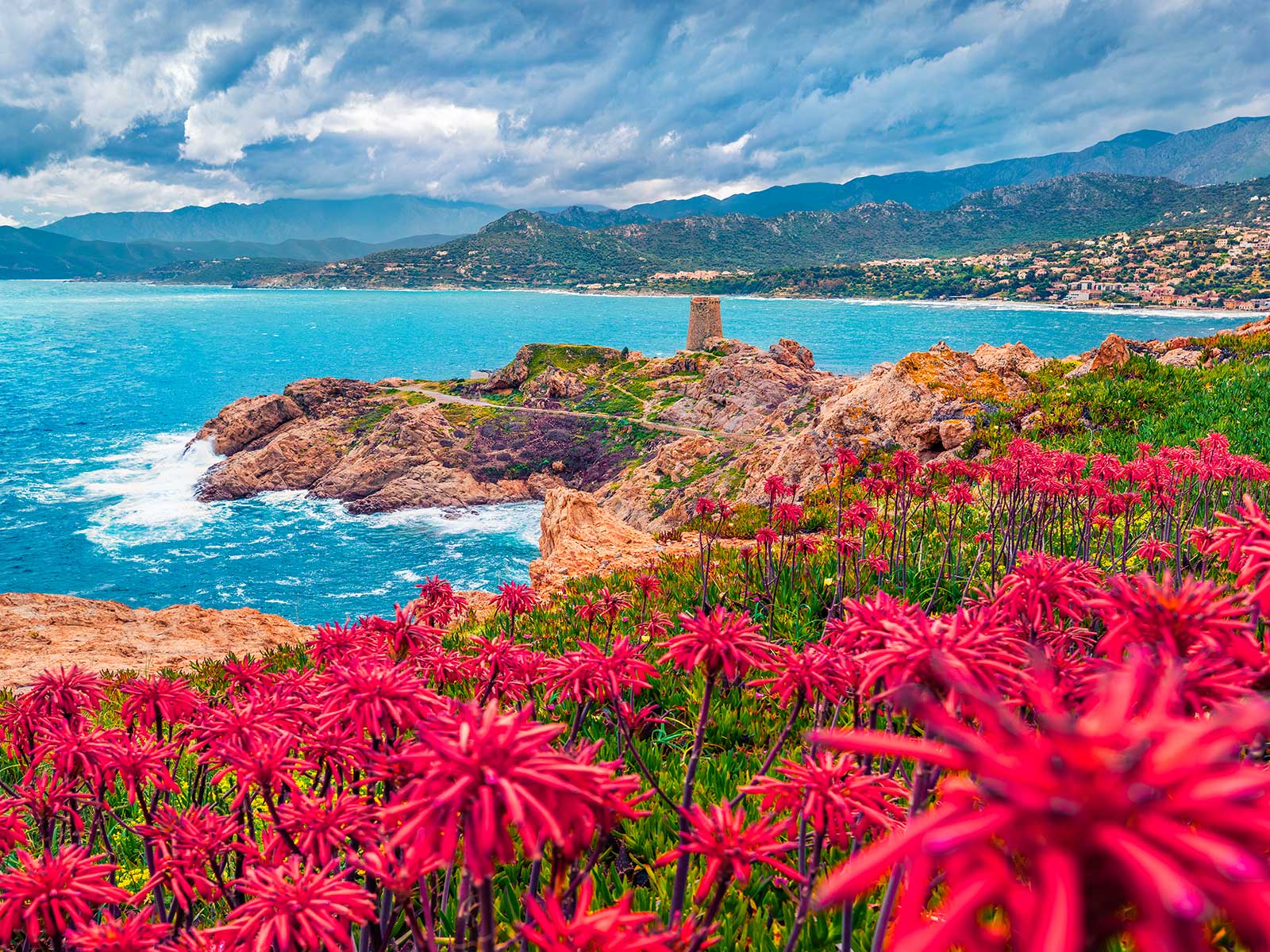
The island's history is visibly etched into its landscape. Explore the ancient Genoese towers that dot the coastline, particularly prominent around Cap Corse, serving as reminders of past defenses against pirate raids. The magnificent citadels in cities like Bonifacio, perched dramatically on limestone cliffs, and Ajaccio, the capital, offer insights into centuries of strategic importance and architectural prowess. Wander through their narrow, cobbled streets to truly step back in time.
Engaging with Corsican Culture
To truly experience Corsican culture, step beyond the tourist hotspots. Visit local markets to sample regional produce and interact with vendors. Seek out village festivals (fêtes de village) which often feature traditional music, dancing, and culinary specialties. Dine at family-run auberges or restaurants that pride themselves on serving authentic Corsican dishes. Engage with locals, even if through gestures, and you'll find a people proud of their heritage and eager to share it.
Corsica is an island that rewards curiosity and respect. By understanding and appreciating its unique culture and traditions, travelers can forge deeper connections and create truly memorable experiences on this extraordinary island.