
Best Time to Visit Corsica: Ultimate Seasonal Guide
Choosing the perfect time for your Corsican adventure can transform your trip, aligning the island's unique offerings with your personal preferences. From sun-drenched beaches to rugged mountain trails, Corsica unveils a different charm with each changing season.
Corsica, often dubbed the "Island of Beauty," boasts a diverse landscape that transitions dramatically throughout the year. Its Mediterranean climate means hot, dry summers and mild, wet winters, but the variations between spring, summer, autumn, and winter significantly impact the type of experience you'll have. Understanding these seasonal nuances is key to planning your ideal Corsican escape.
Spring (March - May): The Island Awakens
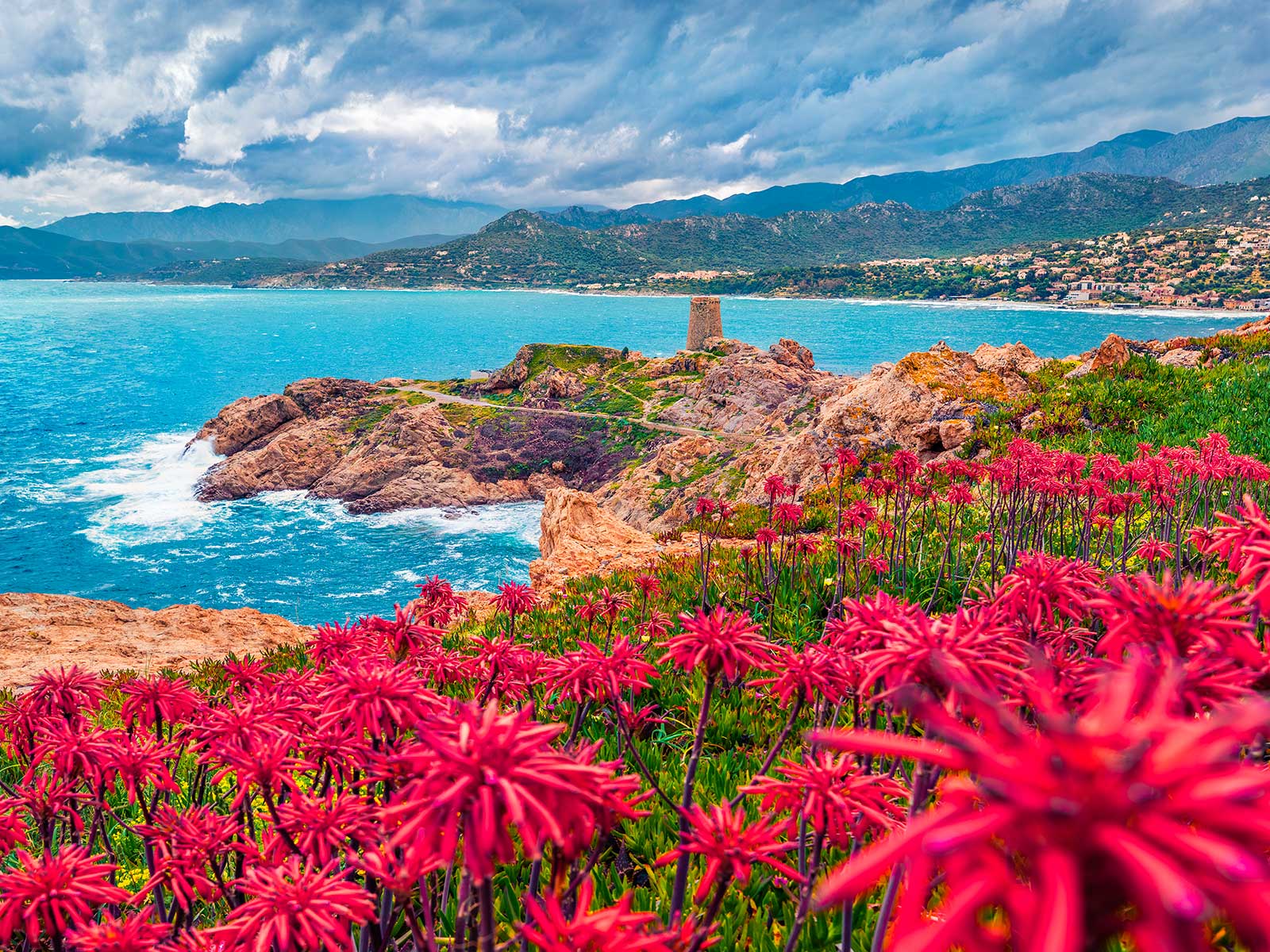
Spring in Corsica is a time of vibrant renewal. The island sheds its winter cloak, revealing lush greenery and a kaleidoscope of wildflowers. It's an ideal season for those who love nature, outdoor activities, and exploring without the peak season crowds.
Weather and Atmosphere
- March:Still cool, especially in the evenings, but days start to warm up. Average temperatures range from 8°C to 15°C. Some rain is still possible.
- April:Pleasant and mild, with temperatures climbing to 10°C-18°C. The maquis (dense scrubland) is in full bloom, filling the air with fragrant scents.
- May:Warm and sunny, often feeling like an early summer. Temperatures average 14°C-22°C, and the sea begins to warm for the brave.
Activities and Highlights
Spring is prime time for hiking and exploring Corsica's stunning natural beauty. The trails are less crowded, and the temperatures are perfect for long walks.
- Hiking:Explore the interior mountains, like those leading to the Cascades de Purcaraccia(though water levels might be high), or coastal paths around Cap Corse.
- Sightseeing:Wander through charming towns like Bonifacio or Ajaccio, enjoying their historical sites and local markets without the summer bustle.
- Coastal Exploration:Boat trips to the Calanques de Piana and Scandola Nature Reserve become more frequent as the weather stabilises, offering spectacular views of the red cliffs against the blue sea.
Tip:Spring is excellent for birdwatching, as many migratory species return to Corsica.
Pros and Cons
- Pros:Mild weather, lush landscapes, fewer crowds, lower accommodation rates (generally), ideal for hiking and cultural exploration.
- Cons:Sea might still be too cold for swimming for some, occasional rain showers, some tourist facilities might not be fully open until late May.
Summer (June - August): Sun, Sea, and Crowds
Summer is Corsica's peak season, drawing visitors with its guaranteed sunshine, warm waters, and vibrant atmosphere. This is the time for beach lovers, water sports enthusiasts, and those seeking lively evenings.
Weather and Atmosphere
- June:Warm and sunny, with temperatures averaging 18°C-26°C. The sea is inviting, and the island buzzes with energy.
- July & August:Hot and dry, often exceeding 30°C. These are the busiest months, with beaches, towns, and attractions bustling with tourists. Expect long, sunny days perfect for swimming and sunbathing.
Activities and Highlights
Summer revolves around Corsica's magnificent coastline and clear turquoise waters.
- Beach Life:Relax on world-class beaches like Palombaggia Beach and Santa Giulia Beach.
- Water Sports:Kayaking, paddleboarding, snorkeling, and diving are popular activities.
- Boat Trips:Explore hidden coves and pristine islets like the Lavezzi islands, or take a scenic cruise along the coast to the Scandola Nature Reserve.
- Festivals:Enjoy local festivals, outdoor concerts, and lively markets in towns like Bonifacio and Ajaccio.
Fun Fact:Corsica boasts over 1,000 km of coastline, much of it pristine and accessible.
Pros and Cons
- Pros:Excellent beach weather, warm sea for swimming, vibrant atmosphere, all tourist facilities open, wide range of activities.
- Cons:High temperatures can be intense for hiking, significant crowds, higher demand for accommodation and activities, some areas might experience water restrictions.
Autumn (September - November): Golden Hues and Tranquility
Autumn is often considered one of the best times to visit Corsica. The scorching summer heat subsides, but the sea remains warm enough for swimming well into October. The crowds thin out, offering a more serene experience.
Weather and Atmosphere
- September:Warm and sunny, feeling like an extension of summer. Temperatures average 17°C-25°C. The sea is at its warmest.
- October:Pleasant and mild, with temperatures around 13°C-21°C. The colours of the landscape begin to change, particularly in the mountains.
- November:Cooler and wetter, signalling the approach of winter. Temperatures range from 9°C-17°C. Many tourist businesses start to close for the season.
Activities and Highlights
Autumn offers a fantastic blend of summer activities and spring-like exploration, but with added tranquility.
- Beach & Swim:Enjoy quieter beaches like Palombaggia Beach and Santa Giulia Beach, often having them almost to yourself, with comfortable swimming temperatures.
- Hiking & Exploration:Ideal conditions for hiking the Désert des Agriates or coastal paths without the intense heat. The Calanques de Piana are stunning in the softer autumn light.
- Gastronomy:Experience local culinary traditions, including chestnut festivals and grape harvests.
- Cultural Visits:Explore historical sites in Bonifacio and Ajaccio at a relaxed pace.
Pros and Cons
- Pros:Warm sea, pleasant temperatures for all activities, significantly fewer crowds, often better value on accommodation, beautiful autumn colours.
- Cons:Shorter daylight hours towards late autumn, some establishments begin to close for the winter by late October/November.
Winter (December - February): A Quieter Charm
Winter in Corsica is the quietest season, transforming the island into a peaceful retreat. While coastal areas remain mild, the interior mountains often receive snow, offering a stark contrast.
Weather and Atmosphere
- December - February:Mild on the coast (8°C-14°C), but cold and snowy in the mountains. Rain is more frequent, and winds can be strong.
Activities and Highlights
Winter is for those seeking tranquility, local culture, and a different side of Corsica.
- Cultural Immersion:Explore the museums and historical sites of Ajaccio or Bonifacio without the crowds. Enjoy authentic Corsican cuisine and local hospitality.
- Mountain Sports:Limited skiing opportunities exist in the higher elevations, depending on snowfall.
- Hiking (Coastal):Gentle coastal walks are still possible on clear days.
- Photography:Capture the dramatic winter landscapes, especially the snow-capped peaks against the sea.
Pros and Cons
- Pros:Utter tranquility, a chance to experience authentic Corsican life, often very low accommodation rates, unique scenery with snow-capped mountains.
- Cons:Many tourist businesses are closed, limited activities, unpredictable weather, sea is too cold for swimming, some mountain roads may be closed due to snow.
Choosing Your Ideal Season
Ultimately, the "best" time to visit Corsica depends on what you're hoping to experience:
- For Beach Lovers & Water Sports:June to early Septemberoffers the warmest sea and sunniest skies.
- For Hikers & Outdoor Enthusiasts:May, June, September, and early Octoberprovide ideal temperatures and stunning natural beauty.
- For Avoiding Crowds:April, May, September, and Octoberare perfect, offering pleasant weather with fewer tourists.
- For Cultural Immersion & Tranquility:November to Marchoffers a glimpse into authentic Corsican life, albeit with limited tourist amenities.
Corsica is a truly year-round destination, each season painting the island with a unique palette of experiences. Whether you dream of sun-kissed beaches, challenging mountain treks, or serene cultural exploration, timing your visit wisely will ensure an unforgettable journey to the Isle of Beauty.