
A Brief History of Corsica: Understanding the Isle of Beauty
Often called the "Isle of Beauty," Corsica boasts a history as rugged and captivating as its landscapes. From ancient civilizations to periods of fierce independence and eventual integration with France, understanding Corsica's past is key to appreciating its unique culture, resilient people, and stunning natural heritage today.
Ancient Roots: From Prehistory to Roman Rule
Corsica's story begins long before recorded history, with evidence of human settlement dating back to the Neolithic period. Its strategic location in the Mediterranean made it a coveted prize for various seafaring cultures.
- Prehistory:The island's earliest inhabitants left behind megalithic monuments, including menhirs and dolmens, particularly notable in the south. The Bronze Age saw the rise of the indigenous Torréen culture, known for their distinctive stone towers (torri) found across the island.
- Greek Influence:Around 565 BC, Phocaean Greeks established a colony at Alalia (modern-day Aléria) on the east coast. While their presence was relatively short-lived due to conflict with Etruscans and Carthaginians, they left a cultural imprint.
- Roman Era:In 259 BC, the Romans conquered Corsica and Sardinia, establishing a province that lasted for nearly seven centuries. Roman rule brought infrastructure, a degree of stability, and the Latin language, which formed the basis of modern Corsican. Despite Romanization, the island remained wild and often rebellious, serving at times as a place of exile.
Medieval Struggles and Genoese Domination
Following the fall of the Western Roman Empire, Corsica entered a turbulent period marked by invasions and fragmented rule. Vandals, Goths, and Saracens all left their mark, contributing to the island's defensive posture and the development of a distinct local identity.
The most significant medieval influence, however, came from the Italian maritime republics:
- Pisan Rule (11th-13th Centuries):Pisa gained control, bringing a period of economic and cultural development. Many of the island's Romanesque churches date from this era.
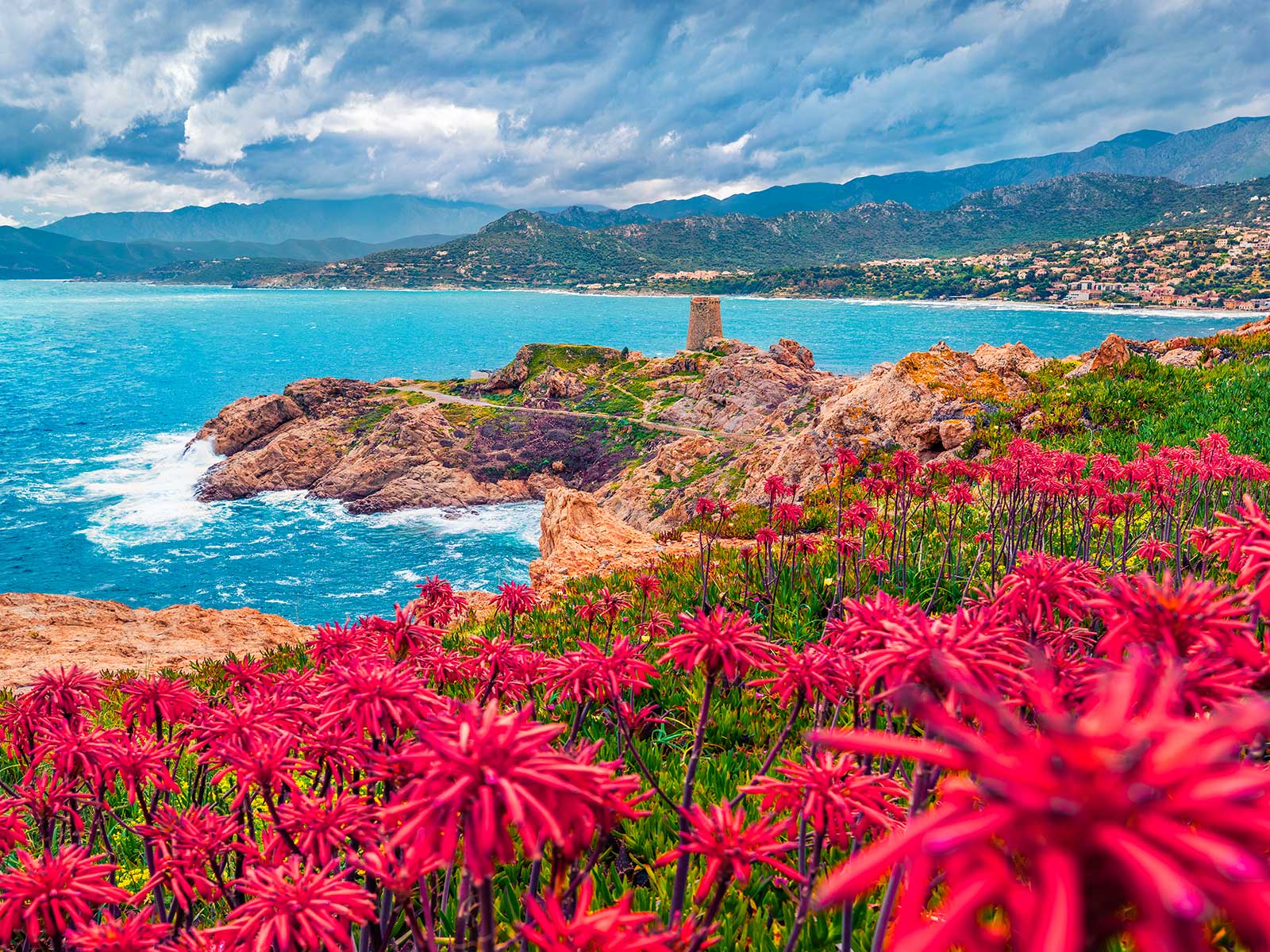
- Genoese Republic (13th-18th Centuries):Genoa gradually asserted dominance over Corsica, a rule that would last for nearly 500 years. The Genoese built an extensive network of watchtowers along the coast to defend against pirate raids, many of which still stand today, contributing to the island's iconic coastal scenery. They also founded key cities and established administrative structures.Bonifacio, with its dramatic clifftop citadel, stands as a testament to this era's strategic importance and architectural prowess.
Genoese rule was often harsh, marked by heavy taxation and internal feuds among Corsican clans, leading to frequent revolts. Despite this, Genoa's influence on Corsican language, customs, and architecture is undeniable.
The Era of Pasquale Paoli and Brief Independence
The 18th century marked a pivotal moment in Corsican history, culminating in a period of remarkable self-governance under the leadership of Pasquale Paoli.
Born in 1725, Paoli became the "General of the Nation" in 1755, leading a successful rebellion against Genoese rule. He established the independent Corsican Republic, a progressive entity for its time:
- First Democratic Constitution:Paoli drafted a remarkably enlightened constitution, considered one of the first truly democratic constitutions in the world, preceding those of the United States and France. It granted voting rights to all men over 25 and even some widows.
- Educational Reforms:He founded the University of Corte, promoting education and fostering a sense of national identity.
- Economic Development:Paoli encouraged agriculture, trade, and even established a Corsican navy.
This period of independence, though brief (1755-1769), profoundly shaped the Corsican identity, instilling a deep-seated pride in self-determination and a distinct cultural heritage.
Pasquale Paoli's vision for Corsica was revolutionary, earning him admiration from Enlightenment thinkers across Europe. His legacy continues to inspire Corsican identity and political thought today.
French Annexation and Modern Corsica
Unable to quell the Corsican rebellion, Genoa sold its rights to Corsica to France in the Treaty of Versailles in 1768. France, a powerful kingdom, moved swiftly to assert control, leading to the Battle of Ponte Novu in 1769, where Paoli's forces were decisively defeated.
- Birth of Napoleon:Just a few months after the French conquest,Ajaccio became the birthplace of Napoleon Bonaparte, a figure who would later dominate European history. His Corsican roots are a significant, if often complex, part of his story.
- Integration into France:Corsica was formally integrated into France, becoming a department. Despite this, a strong sense of Corsican identity persisted, often leading to tensions with mainland France.
- 20th Century and Beyond:The 20th century saw Corsica play a role in both World Wars, experience economic shifts, and a resurgence of cultural and political movements advocating for greater autonomy. Tourism emerged as a vital industry, drawing visitors to its unparalleled natural beauty.
The Enduring "Isle of Beauty" Today
Today, Corsica remains a region of France, yet it steadfastly maintains its unique spirit. Visitors are not just coming to a French island; they are immersing themselves in a distinct Corsican world.
The island's history is visibly etched into its landscape and culture:
- Natural Heritage:Efforts to preserve its pristine environment are paramount, reflected in protected areas like the dramatic Scandola Nature Reserve and the stunning Calanques de Piana. The rugged beauty of Cap Corse, the wild expanse of the Désert des Agriates, and the refreshing Cascades de Purcaraccia all speak to a land shaped by time and nature.
- Cultural Identity:The Corsican language (Corsu), traditional polyphonic singing, and a rich culinary tradition are vibrant reminders of a heritage fiercely guarded. The island's strong sense of community and connection to the land are direct descendants of its turbulent past.
- Tourism:From the golden sands of Palombaggia Beach and Santa Giulia Beach to the pristine waters around the Lavezzi islands, Corsica offers a wealth of experiences. Each visit is an opportunity to connect with a history that is both ancient and alive.
Understanding Corsica's journey, from its prehistoric settlers to its Genoese fortresses and its fight for self-determination, enriches any visit. It’s a place where history isn't just in museums, but in the very soul of the landscape and its people. Come explore this remarkable island and discover why it truly earns its title as the Isle of Beauty.