
The Rich History of Cartagena: Exploring the Walled City's Past
Step into Cartagena, and you're not just visiting a city; you're journeying through centuries of captivating history. This vibrant Caribbean gem, often called the "Heroic City," boasts a past as rich and colorful as its colonial architecture, beckoning travelers to uncover its fascinating story within the Walled City.
A Strategic Coastal Jewel: Early Beginnings
Before the Spanish arrived, the region around modern-day Cartagena was inhabited by indigenous groups, most notably the Carib people, who thrived on fishing and trade. Their legacy, though often overshadowed, laid the groundwork for the city's future as a vital port.
The official founding of Cartagena de Indias by Spanish conquistador Pedro de Heredia in 1533 marked the beginning of its colonial era. Its strategic location on the Caribbean coast, with a deep natural harbor, quickly made it indispensable to the Spanish Crown. It became a primary port for the vast flow of gold, silver, and emeralds extracted from inland Colombia and Peru, destined for Spain. This wealth, however, also made it an irresistible target.
Fortifications Against Pirates and Empires
Cartagena's immense wealth attracted not only legitimate trade but also the covetous eyes of pirates, privateers, and rival European powers. The city faced numerous attacks, most famously by Sir Francis Drake in 1586, who ransacked the city after overcoming its initial defenses. These relentless assaults underscored the urgent need for robust fortifications.
Over two centuries, the Spanish Crown invested heavily in transforming Cartagena into one of the most heavily fortified cities in the Americas. A massive system of walls, forts, and batteries was constructed, culminating in the formidable Castillo San Felipe de Barajas. This engineering marvel, with its intricate tunnels and strategic positioning, stands today as a testament to colonial military architecture and the city's desperate struggle for survival.
Did you know?The walls of Cartagena, known asLas Murallas, stretch for over 11 kilometers (approximately 7 miles) and took nearly 200 years to complete. They are a UNESCO World Heritage site and an iconic symbol of the city's resilience.
The Gold, the Slaves, and the Inquisition
Cartagena's role as a primary port wasn't limited to treasure. It also became a central hub for the transatlantic slave trade in Spanish America. Thousands of enslaved Africans were brought to Cartagena, enduring unimaginable hardships, and their forced labor was instrumental in the city's development and the colonial economy. Their cultural contributions, however, also profoundly shaped the city's vibrant music, cuisine, and traditions that persist today.
The city was also a stronghold of the Spanish Inquisition. The Palace of the Inquisition, now a museum, served as the tribunal's headquarters from 1610 to 1821. Here, individuals accused of heresy, witchcraft, or other religious transgressions faced trials and often brutal punishments. This dark chapter in Cartagena's history offers a stark contrast to its otherwise picturesque charm, reminding visitors of the complex moral landscape of the colonial era.
Road to Independence
The late 18th and early 19th centuries saw growing unrest and a yearning for independence across Spanish America. Cartagena, with its strategic importance and a burgeoning Creole elite, was at the forefront of these movements. On November 11, 1811, Cartagena declared its absolute independence from Spain, a bold move that ignited a fierce struggle.
The most brutal period came during the "Reconquista" when Spanish forces, under General Pablo Morillo, laid siege to the city in 1815. The infamous "Siege of Cartagena" lasted for 105 days, during which thousands of citizens perished from starvation and disease. Despite the immense suffering, the city's resistance earned it the title "La Heroica" (The Heroic City). Though it eventually fell, the spirit of independence could not be extinguished. Simón Bolívar, a pivotal figure in South American independence, would later liberate the region, securing Colombia's freedom.
Cartagena Today: A Living Museum
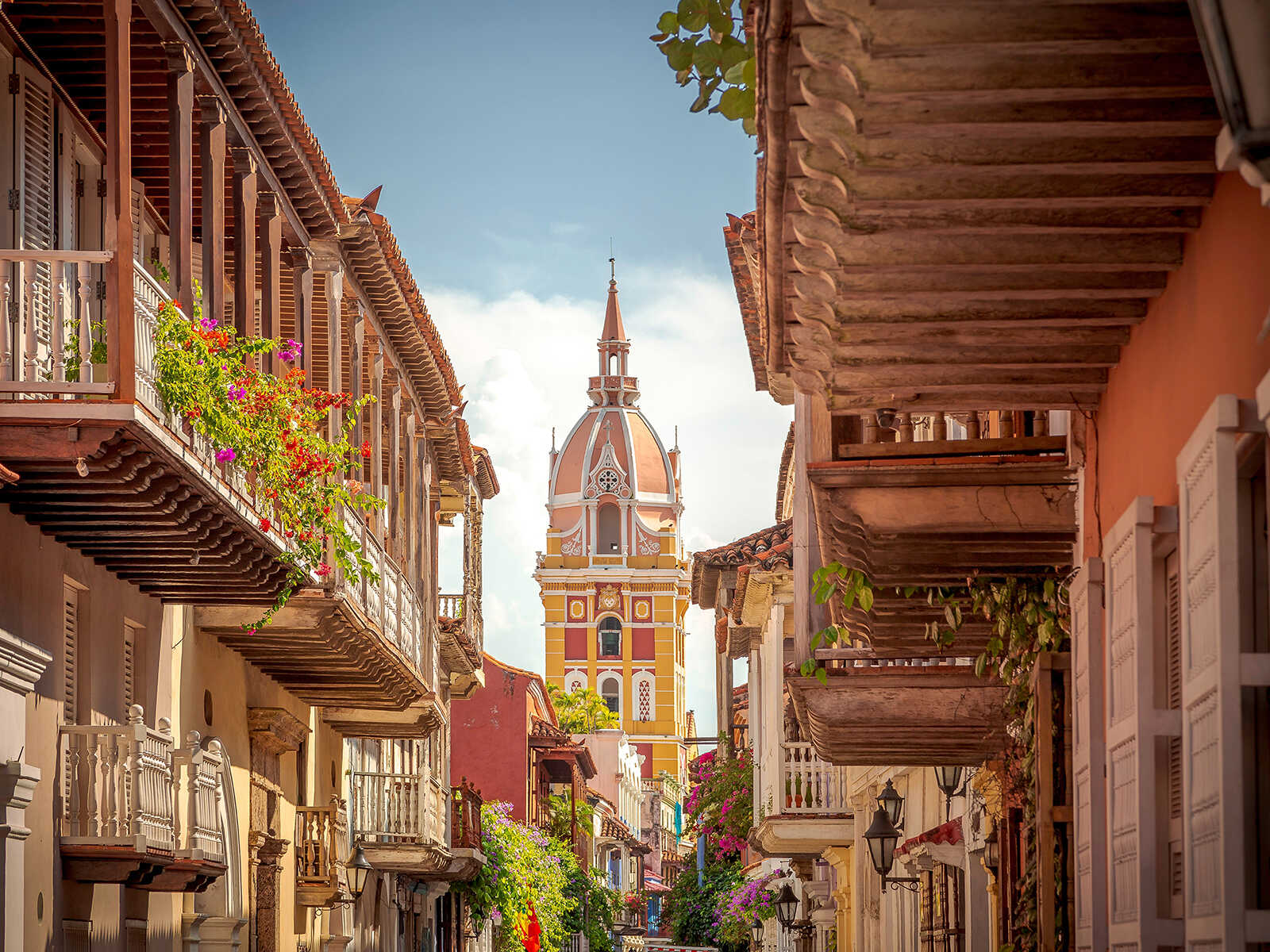
Today, Cartagena stands as a testament to its dramatic past. Its Walled City, a UNESCO World Heritage site, is meticulously preserved, allowing visitors to walk through history. The colorful colonial buildings, charming plazas, and narrow cobblestone streets whisper tales of conquistadors, pirates, slaves, and revolutionaries.
Beyond the walls, the city continues to thrive, blending its rich heritage with modern vibrancy. From the bustling markets to the serene beauty of nearby islands like the Rosario Islands, Cartagena offers a diverse experience. Its history is not just in museums; it's in the rhythm of its cumbia music, the flavors of its Afro-Caribbean cuisine, and the warm smiles of its people.
Experiencing Cartagena's Past
To truly immerse yourself in Cartagena's history, consider these practical tips:
- Walking Tours:Join a guided walking tour of the Walled City. Knowledgeable guides can bring the history to life, pointing out architectural details and sharing fascinating anecdotes.
- Explore the Fortifications:Spend time at the Castillo San Felipe de Barajas. Climb to its highest points for panoramic views and explore its network of tunnels. Don't forget to walk along the city walls themselves, especially at sunset.
- Visit Museums:
- ThePalace of the Inquisition Museumoffers a sobering look into a complex part of the city's past.
- TheNaval Museum of the Caribbeanprovides insights into Cartagena's maritime history and its strategic importance.
- TheGold Museum (Museo del Oro Zenú)showcases pre-Columbian artifacts and the indigenous heritage of the region.
- Wander Getsemaní:Just outside the main walls, the vibrant neighborhood of Getsemaní has its own distinct history as a working-class area and a hub for independence movements. Its street art and lively plazas offer a different perspective on Cartagena's cultural evolution.
- Read Up:Before or during your visit, delve into books or documentaries about Cartagena's history. Understanding the context will enhance your appreciation of its sites.
Cartagena's past is a tapestry woven with threads of glory, struggle, and enduring spirit. Exploring its historical sites is not just an educational experience; it's an opportunity to connect with a legacy that continues to define one of Colombia's most cherished cities.