
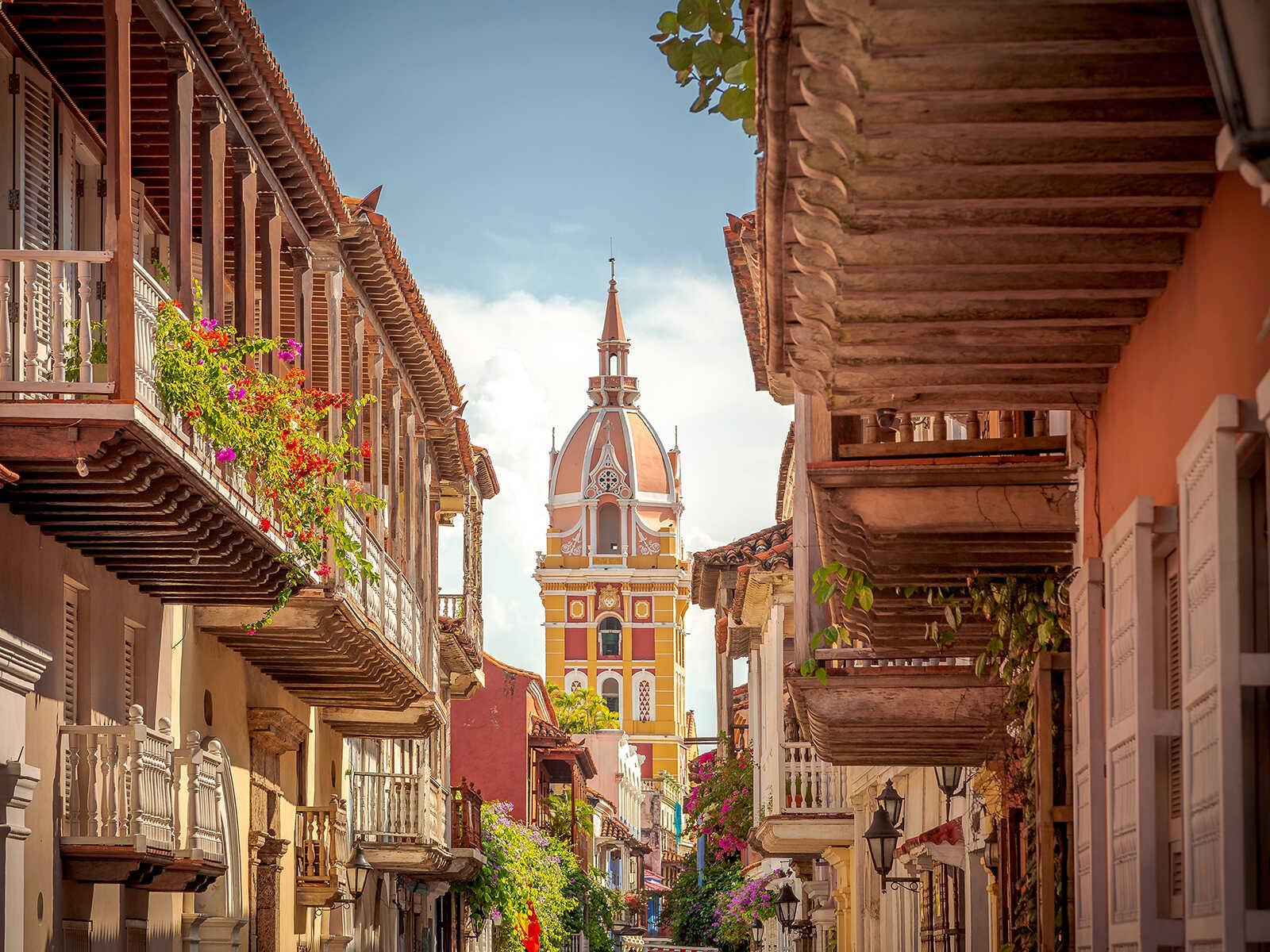
Is Colombia Safe for Tourists? Essential Safety Tips & Advice
Colombia has undergone a remarkable transformation over the past few decades, shedding its challenging past to emerge as one of South America's most captivating and welcoming destinations. Today, millions of tourists safely explore its vibrant cities, stunning natural landscapes, and rich cultural heritage, but like any international travel, a smart and informed approach is key to a smooth trip.
Colombia's Transformation: A Modern Perspective on Safety
For many years, Colombia faced significant internal conflicts that deterred international visitors. However, since the early 2000s, the country has made extraordinary strides in improving security and stability. Government efforts, peace processes, and a burgeoning tourism industry have fundamentally reshaped its image, making it a viable and increasingly popular destination for travelers worldwide.
While remnants of its past can still be found in certain remote or border regions, the vast majority of areas popular with tourists are now considered safe, with a strong police presence and a welcoming local population eager to share their beautiful country. It's crucial for travelers to base their perceptions on current realities rather than outdated stereotypes.
General Safety Tips for Tourists in Colombia
Traveling safely in Colombia largely boils down to exercising common sense and being aware of your surroundings, much like you would in any major city globally. Here are essential tips to enhance your security:
Be Aware of Your Surroundings
- Minimize Valuables:Avoid displaying expensive jewelry, watches, or electronics openly. Keep your phone tucked away when not in use.
- Cash Wisely:Carry only the cash you need for the day. Use ATMs in well-lit, busy areas or inside banks/malls, preferably during daylight hours. Be wary of anyone offering "help" at an ATM.
- Protect Your Belongings:Keep bags zipped and in front of you in crowded areas. Be especially vigilant in markets, bus terminals, and tourist hotspots like the Walled city Cartagena or around Monserrate in Bogotá.
- Avoid Isolated Areas:Especially at night, stick to well-populated, well-lit streets and neighborhoods.
Transportation Safety
- Reputable Taxis/Ride-Shares:Always use official taxis (booked via apps or from designated stands) or ride-sharing apps like Uber/Cabify. Never hail an unmarked taxi off the street, especially at night. Confirm the driver and license plate match the app information.
- Public Transport:Buses (TransMilenio in Bogotá, Metro in Medellín) are generally safe during the day, but can be crowded. Be extra cautious of pickpockets during rush hour.
- Inter-city Travel:For long distances, consider domestic flights for speed and security. If traveling by bus, use reputable companies and aim for daytime travel. For destinations like Ciudad Perdida or Caño Cristal, always book through established and highly-rated tour operators.
Nightlife and Socializing
- Drink Spiking (Burundanga):Be extremely cautious with your drinks, especially in bars and clubs. Never accept drinks from strangers and always keep your drink in sight. This drug can incapacitate victims quickly, leading to robbery or worse.
- Stay with Friends:If you're out socializing, stick with your travel companions. Don't leave a bar or club alone, especially if you've been drinking.
- Limit Alcohol:Excessive alcohol consumption impairs judgment and makes you a more vulnerable target.
Health and Medical Preparedness
- Travel Insurance:This is non-negotiable. Ensure your policy covers medical emergencies, theft, and trip cancellations.
- Vaccinations:Consult your doctor about recommended vaccinations (e.g., Yellow Fever, Hepatitis A/B, Typhoid).
- Altitude Sickness:Cities like Bogotá are at high altitudes, and destinations like Salento or Los Nevados National Natural Park involve significant elevation. Acclimatize slowly, stay hydrated, and avoid strenuous activity on your first day.
- Water Safety:Stick to bottled water. While tap water in major cities is often treated, it's safer for tourists to avoid it.
Digital Safety and Scams
- Phone Protection:Keep your phone secure. "Moto-ratones" (motorcycle thieves) are common in cities; they snatch phones from pedestrians. Avoid using your phone while walking near busy streets.
- Common Scams:Be wary of overly friendly strangers offering unsolicited help or directions, fake police officers, or "good Samaritans" trying to distract you. Research common scams before you go.
- Secure Wi-Fi:Use a VPN when connecting to public Wi-Fi networks to protect your personal data.
Fact:Colombia is one of the most biodiverse countries in the world, home to nearly 10% of the planet's biodiversity, including an incredible array of bird species. Protecting these natural wonders, from the Amazon to the Andes, is a key focus for responsible tourism.
Regional Safety Considerations
Safety can vary by region. Here’s a brief overview:
Major Cities (Bogotá, Medellín, Cartagena)
These are generally safe during the day, especially in tourist-heavy zones. However, petty crime like pickpocketing is prevalent, particularly in crowded areas. Exercise caution at night and avoid walking alone in less-populated neighborhoods. In Walled city Cartagena, for example, the main tourist areas are well-patrolled, but venturing too far into less developed areas at night is not recommended. Day trips to nearby attractions like Rosario Islands or Catedral de Sal are very popular and generally safe.
Coffee Region (Eje Cafetero)
The Coffee Axis, including towns like Salento and the stunning Cocora Valley, is renowned for its natural beauty and relaxed atmosphere. This region is generally considered very safe for tourists, making it a highlight for many visitors. Even destinations like Termales Santa Rosa de Cabal are well-established and secure.
Caribbean Coast (Santa Marta, Tayrona)
Popular destinations like Santa Marta and Parque Nacional Natural Tayrona are safe for tourists, though beach safety (currents, tides, valuables) should always be a priority. Be mindful of your belongings on crowded beaches and avoid walking alone in isolated areas at night.
Adventure Destinations (Ciudad Perdida, Caño Cristales)
These remote and breathtaking locations require careful planning. Trekking to Ciudad Perdida must be done with an authorized tour operator. Similarly, visiting Caño Cristal(the "River of Five Colors") requires specific permits and guided tours due to its remote location and unique ecosystem. Always choose reputable, experienced guides for such adventures.
Remote and Border Areas
Certain remote or border areas, particularly with Venezuela, Panama, and Ecuador, can still pose higher risks. Always consult your government's travel advisories and local authorities before planning trips to less-traveled regions. Stick to well-established tourist routes.
What to Do in an Emergency
- Emergency Numbers:
- Police: 112 or 123
- Ambulance: 125
- Fire Department: 119
- Contact Your Embassy:Register your travel plans with your embassy or consulate before you leave. In an emergency, they can provide assistance.
- Report Theft:If robbed, report it to the nearest police station (DIJIN or Fiscalía) immediately. You'll need a police report for insurance claims.
Embracing the Colombian Experience Responsibly
Colombia offers an unparalleled travel experience, from the vibrant streets of its cities to the serene beauty of its natural parks. By staying informed, exercising caution, and respecting local customs, you can navigate the country safely and enjoy its incredible hospitality and diverse attractions. The vast majority of visitors have wonderful, trouble-free trips, returning home with unforgettable memories of this truly magical country.
Travel smart, be respectful, and immerse yourself in the warmth of Colombian culture. Your adventure awaits!