
Colombia's Music & Dance: Rhythms of Cumbia, Salsa & Vallenato
Colombia pulses with an unmistakable rhythm, a vibrant symphony born from a rich tapestry of cultural influences. From the spirited beats of the Caribbean to the infectious energy of its dance halls, music and dance are not just entertainment here; they are the very soul of the nation, a language spoken by all.
Embark on a journey through Colombia's soundscape, where every region tells a story through its melodies and movements. This guide will introduce you to the iconic rhythms of Cumbia, Salsa, and Vallenato, helping you understand their origins, instruments, and how to experience them firsthand.
The Heartbeat of Colombia: Cumbia
Cumbia is arguably Colombia's most iconic rhythm, a mesmerizing blend of indigenous, African, and European influences that originated on the Caribbean coast. Born from the fusion of African slaves' drums, indigenous flutes (gaitas), and Spanish melodies, Cumbia tells a story of cultural amalgamation.
Origins and Evolution
Historically, Cumbia was a courtship dance performed by African slaves. Women, adorned in long skirts and often carrying candles, would sway gracefully, while men would dance around them, attempting to woo their partners. Over centuries, it evolved from a simple, ritualistic dance to a sophisticated musical genre, adopting elements like the accordion and clarinet, though its core rhythmic structure remains.
Key Instruments and Dance
The characteristic sound of Cumbia is driven by a percussion section featuring drums like thetambor alegre,tambora, andllamador, complemented by the indigenousgaitas(long flutes) and often a male vocalist. The dance itself is known for its elegant, flowing steps, with couples holding hands or dancing in a relaxed, circular motion.
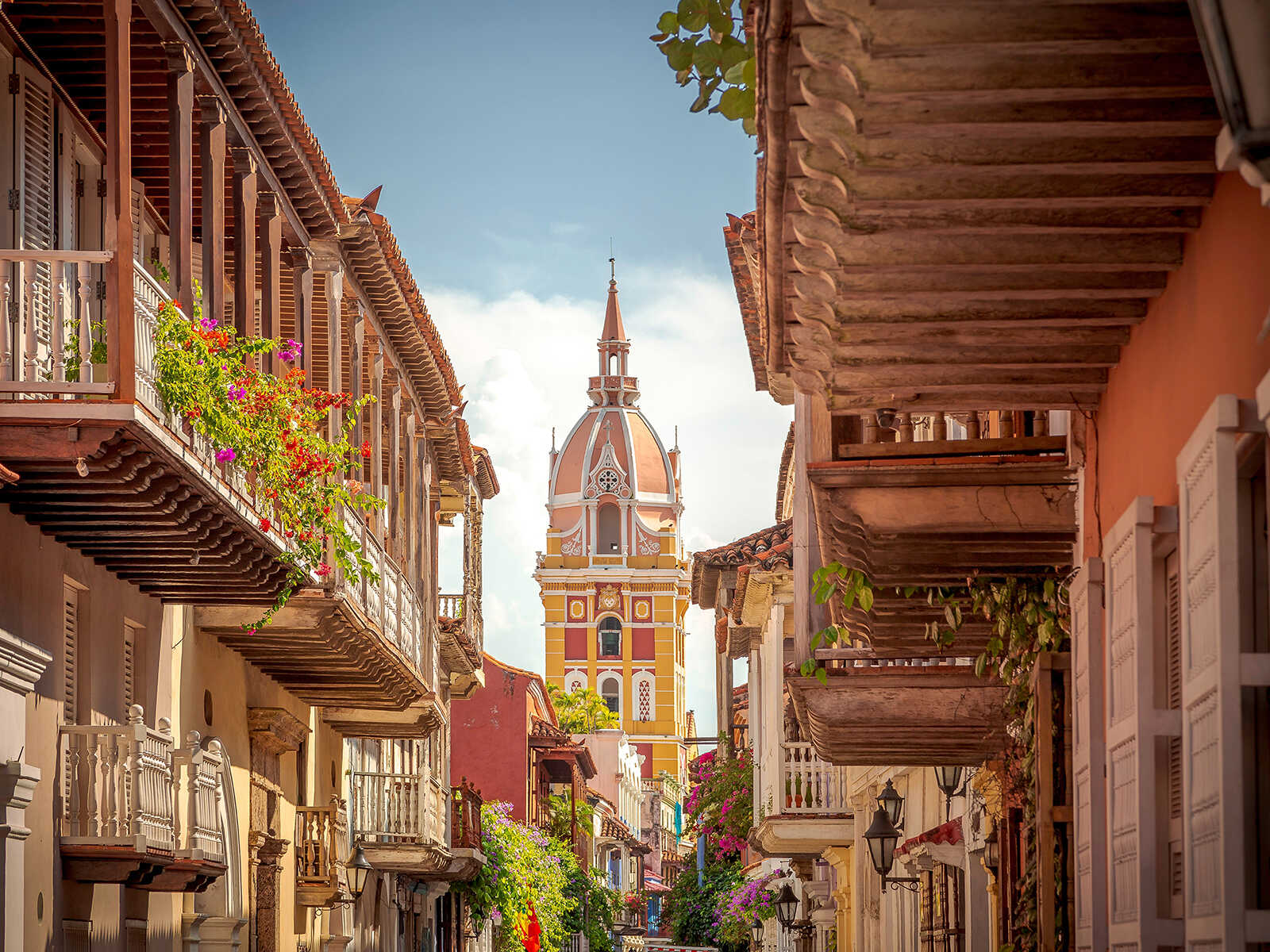
To experience authentic Cumbia, head to the Caribbean coast. Cities like Barranquilla (home to one of the world's largest carnivals), and even the historic streets of the Walled city Cartagena, often feature live Cumbia performances. You might also hear these rhythms echoing from beachside towns near Parque Nacional Natural Tayrona or on the Rosario Islands.
Fun Fact:While Cumbia is deeply Colombian, its influence has spread across Latin America, giving rise to various regional styles. However, Colombian Cumbia retains its unique, traditional flair.
Cali's Soulful Groove: Salsa
While Salsa has roots across the Caribbean, Colombia has embraced it with a passion that few other nations can match. Cali, in particular, has earned the title of the "Salsa Capital of the World," where the rhythm isn't just a dance; it's a way of life.
A Global Rhythm with a Colombian Twist
Salsa, a vibrant genre born from a melting pot of Cuban, Puerto Rican, and New York influences, found fertile ground in Colombia during the mid-20th century. Colombian salsa, often characterized by its incredibly fast tempo and complex footwork, distinguishes itself from other styles. Dancers in Cali are renowned for their intricate footwork and explosive energy, often focusing more on leg movements than elaborate turns.
Experiencing the Salsa Scene
In Cali, salsa is everywhere. From professional dance schools to bustling nightclubs, the city breathes and dances salsa. Even if you're a beginner, many establishments offer introductory classes before the main party begins. Look for "salsotecas" or "grilles" where live bands often play late into the night. It's an immersive experience that goes beyond mere observation – participation is key!
- Salsotecas:Dedicated salsa clubs where dancing is the main event.
- Dance Schools:Numerous schools offer classes for all levels, from beginner to advanced.
- Street Performances:Keep an eye out for impromptu street dancing, especially during festivals.
The Storytelling Accordion: Vallenato
From the arid plains of Colombia's Caribbean interior comes Vallenato, a genre deeply rooted in oral tradition and storytelling. Originating in the Valle de Upar region (hence "Vallenato," meaning "born in the valley"), this music is a narrative art form, chronicling daily life, love, and local legends.
Instruments and Narrative
The heart of Vallenato lies in its iconic instruments: the German accordion, which carries the melody; thecaja vallenata, a small drum; and theguacharaca, a ribbed stick scraped with a fork, mimicking the sound of a bird. These instruments combine to create a distinct, often melancholic yet joyful sound that perfectly accompanies the poetic lyrics.
Vallenato typically features a lead vocalist who acts as a storyteller, recounting tales of heartbreak, triumphs, and everyday observations. The genre is further divided into several rhythms, includingpaseo,merengue,son, andpuya, each with its own tempo and feel.
Where to Hear Vallenato
Valledupar is the undisputed capital of Vallenato, hosting the annual Vallenato Legend Festival (Festival de la Leyenda Vallenata), a major cultural event that draws musicians and fans from across the country and beyond. However, you can hear Vallenato throughout the Caribbean region, from small town gatherings to major radio stations. It's an intrinsic part of the coastal identity, a soundtrack to daily life alongside the beaches and bustling markets of the Caribbean.
Beyond the Big Three: A Kaleidoscope of Colombian Sounds
While Cumbia, Salsa, and Vallenato are prominent, Colombia's musical diversity extends far beyond. Explore other genres during your travels:
- Joropo:The lively, energetic music of the eastern plains (Llanos Orientales), characterized by harp, cuatro (four-stringed guitar), and maracas.
- Pacific Music:Rhythms likeCurrulaofrom the Pacific coast, driven by marimbas, drums, and powerful vocals, reflecting African heritage.
- Andean Music:In the highlands, you'll find music with indigenous roots, featuring flutes (like thequena) and stringed instruments.
Experiencing Colombia's Rhythms as a Traveler
To truly connect with Colombia, you must immerse yourself in its music and dance. Here are a few practical tips:
- Visit a Salsoteca or Peña:In major cities like Cali, Medellín, and Bogotá, seek out local dance clubs. Don't be shy; even if you can't dance, the atmosphere is electric.
- Attend a Festival:Colombia hosts countless music and dance festivals throughout the year. Research local events during your visit. The Barranquilla Carnival (Cumbia), the Vallenato Legend Festival in Valledupar, and various salsa festivals are highlights.
- Take a Dance Class:Many hostels and cultural centers offer beginner dance lessons for Cumbia, Salsa, or Merengue. It's a fun way to learn and meet locals.
- Seek Out Live Music:From street performers in the historic centers of Cartagena to intimate venues in Bogotá, live music is readily available.
- Listen to Local Radio:Tune into local radio stations to get a feel for what's popular in each region.
Colombia's music and dance are more than just sounds and movements; they are a profound expression of its history, resilience, and joy. From the ancestral whispers of Cumbia to the modern pulse of Salsa and the poetic tales of Vallenato, every beat invites you to discover the vibrant soul of this incredible country.