
Colombian Culture & Etiquette: Essential Tips for Travelers
Colombia, a land of vibrant colors, infectious rhythms, and breathtaking landscapes, offers an unforgettable journey. To truly immerse yourself in its magic, understanding and respecting the local culture and etiquette is paramount. Embrace the warmth of its people and navigate social nuances with these essential tips.
The Warmth of Colombian People
Colombians are renowned for their hospitality, friendliness, and zest for life. They are generally open, welcoming, and eager to share their culture with visitors. A genuine smile and an attempt to speak Spanish will often open doors and hearts.
Greeting Customs
Greetings are an important part of Colombian social interaction, often more elaborate than in some Western cultures. Politeness and respect are key.
- Men:A firm handshake is standard for introductions and departures among men.
- Women:Among women, or between men and women, a light kiss on the right cheek (a "beso en la mejilla") is common. This is usually a light touch of cheeks, not an actual kiss, accompanied by a soft sound.
- Groups:When entering a room or joining a group, it's polite to greet each person individually.
- Personal Space:Colombians tend to stand closer during conversations than people from some other cultures. Don't be surprised if your personal space feels a bit more intimate.
Conversation & Communication
Colombians value polite and indirect communication. Direct confrontation is generally avoided. Always use formal address (usted) with strangers, elders, and those in positions of authority before being invited to use informal address (tú).
Travel Tip:Small talk is highly valued. Inquire about family, health, or the journey. Avoid sensitive political topics or criticisms of the country, especially with new acquaintances.
Dining Etiquette: Savoring Colombian Flavors
Food is central to Colombian social life and family gatherings. Meals are often a time for connection and relaxation.
Meal Times & Habits
- Breakfast (Desayuno):Typically a hearty meal, often including eggs, arepas, cheese, and coffee.
- Lunch (Almuerzo):This is the most significant meal of the day, often a multi-course affair (menú del díaorcorrientazo) served between 12 PM and 2 PM. Many businesses close or slow down during this time.
- Dinner (Cena):Usually lighter than lunch and eaten later in the evening, often after 7 PM.
- Table Manners:Keep your hands visible on the table (but not elbows). Wait for the host to say "¡Buen provecho!" before starting to eat. It's polite to offer to share food, especially snacks.
Tipping in Colombia
Tipping expectations vary:
- Restaurants:A 10% service charge (propina) is often included in the bill, especially in larger restaurants. You can decline it, but it's customary to pay unless service was exceptionally poor. If it's not included, 10% is appropriate for good service.
- Taxis:Tipping is not customary; round up the fare to the nearest convenient amount.
- Hotel Staff:A small tip for porters or housekeepers is appreciated.
- Tour Guides:Tipping tour guides is customary, especially after multi-day treks like the one to Ciudad Perdida. The amount depends on the length and quality of the tour.
Dress Code: Dressing for Success (and Comfort)
Colombians generally dress neatly, even for casual outings. Your attire often reflects your respect for your hosts and the occasion.
- Cities (Bogotá, Medellín):Smart casual is common. Jeans are acceptable, but pair them with a nice shirt or blouse. Avoid overly revealing clothing.
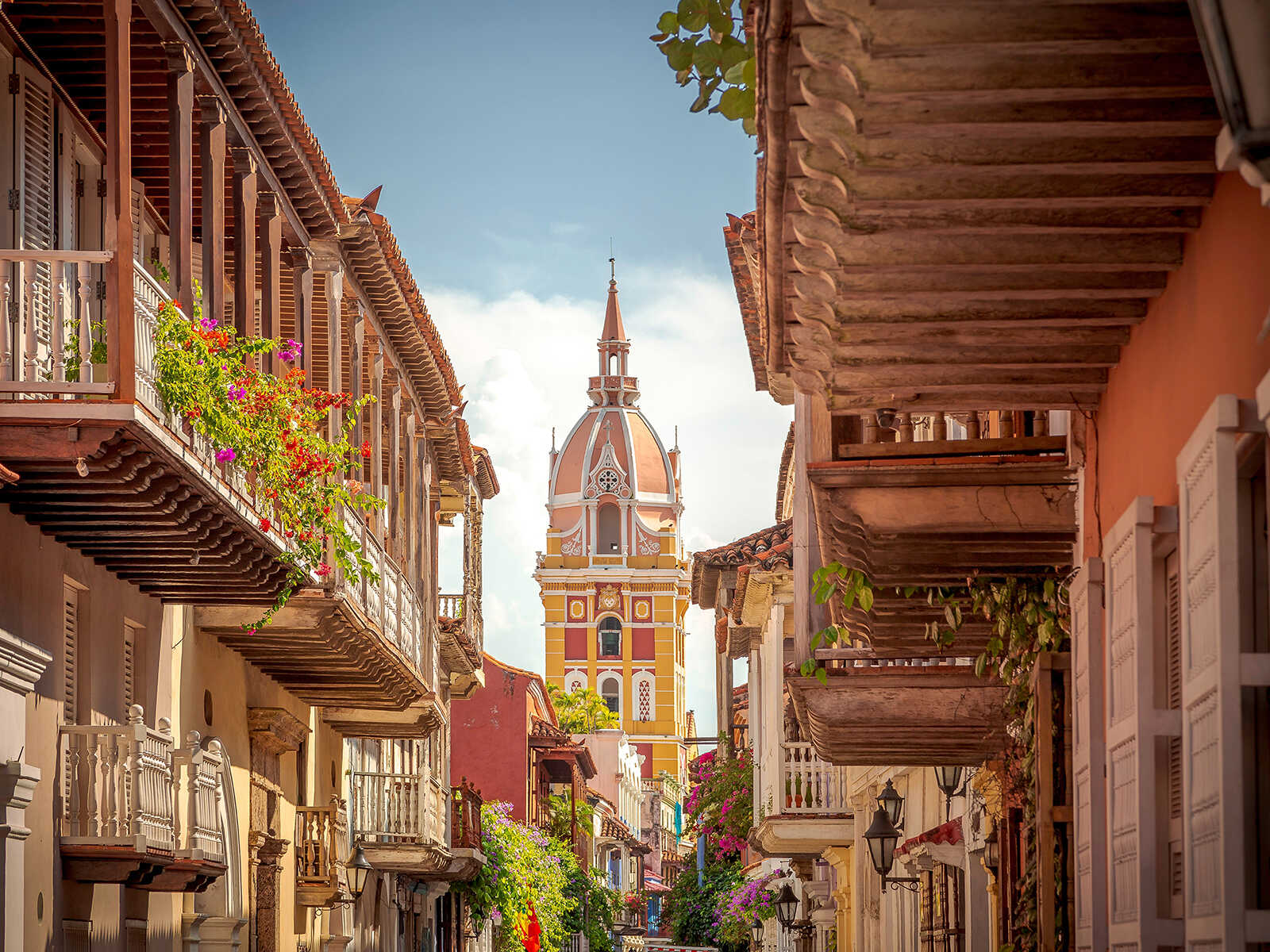
- Coastal Areas (Walled city Cartagena,Parque Nacional Natural Tayrona,Rosario Islands):Lighter, more relaxed clothing is appropriate due to the heat, but still lean towards presentable. Beachwear should be reserved for the beach or pool.
- Religious Sites:When visiting churches or cathedrals like the Santuario Virgen de Las Lajas, the Catedral de Sal, or Monserrate, dress modestly. Shoulders and knees should be covered as a sign of respect.
Social Interactions & Public Behavior
Punctuality
While business meetings require punctuality, social gatherings often operate on "Hora Colombiana," meaning a relaxed attitude towards time. Arriving 15-30 minutes late for a social event is generally acceptable, and sometimes even expected.
Personal Space & Public Displays of Affection
As mentioned, personal space is generally closer than in many Western cultures. Public displays of affection (PDA) are common among couples, but keep it respectful and appropriate for the environment.
Respect for Elders & Authority
Showing respect for elders is deeply ingrained in Colombian culture. Deference to authority figures, including police and officials, is also important.
Photography
Always ask for permission before taking photos of people, especially in rural or indigenous communities. A simple "¿Puedo tomar una foto?" (May I take a photo?) goes a long way.
Navigating Specific Cultural Nuances
The Role of Family
Family is the cornerstone of Colombian society. Extended families are close-knit, and family opinions hold significant weight. Expect to hear about and be asked about your family.
"Mañana" and Flexibility
The concept of "mañana" (tomorrow) can sometimes refer to an indefinite future, not necessarily the next day. This reflects a more relaxed approach to scheduling and a focus on the present moment. Patience is a virtue when plans might shift.
Music & Dance
Music and dance are integral to Colombian life. From the infectious cumbia and salsa of the Caribbean coast to the soulful vallenato and the vibrant rhythms of the interior, don't be shy to tap your feet or even try a few steps if invited!
Regional Differences
Colombia is incredibly diverse, and cultural nuances can vary significantly by region. The laid-back coastal vibe differs from the more formal atmosphere of Bogotá or the entrepreneurial spirit of Medellín. The coffee region, exemplified by towns like Salento and the stunning Cocora Valley, has its own unique charm and traditions.
Cultural Insight:Paisas (people from the Antioquia region, including Medellín and Guatape) are known for their directness and strong work ethic, while coastal residents might be more jovial and relaxed. Embrace these differences as part of the Colombian experience.
Safety & Awareness: Practical Considerations
While Colombia has transformed into a much safer destination, it's always wise to exercise common sense and be aware of your surroundings, just as you would in any unfamiliar country.
- Valuables:Don't flash expensive jewelry, electronics, or large sums of cash. Use hotel safes.
- Walking Alone:Be cautious when walking alone at night, especially in less populated areas.
- Taxis:Use reputable taxi services (e.g., those ordered via apps or from designated stands) rather than hailing unmarked taxis directly off the street.
- "No Dar Papaya":This famous Colombian saying translates to "don't give papaya," meaning don't give anyone the opportunity to take advantage of you. This involves being mindful of your possessions and not putting yourself in vulnerable situations.
Basic Spanish Phrases: A Little Goes a Long Way
Making an effort to speak even a few basic Spanish phrases will be greatly appreciated and enhance your interactions.
- Hola(Hello)
- Por favor(Please)
- Gracias(Thank you)
- De nada(You're welcome)
- Permiso / Con permiso(Excuse me / With your permission - for passing through)
- Lo siento(I'm sorry)
- ¿Cuánto cuesta?(How much does it cost?)
- Adiós(Goodbye)
Embracing the Colombian Experience
Colombia is a land of incredible diversity, warmth, and resilience. By approaching your travels with an open mind, a respectful attitude, and a willingness to learn, you'll not only have a smoother journey but also forge deeper connections with the beautiful culture and people you encounter. Prepare for an unforgettable adventure!