
Beyond the Beans: A Guide to Colombian Coffee Culture & Farm Tours
Colombia is synonymous with coffee, a rich heritage deeply woven into the nation's identity, economy, and daily life. This guide will take you on a journey through the aromatic world of Colombian coffee, from its origins in lush plantations to the perfect cup, and show you how to experience it firsthand with an unforgettable farm tour.
The Heart of Colombian Coffee: A Cultural Cornerstone
For generations, coffee has shaped Colombia, transforming its landscapes and livelihoods. More than just a commodity, it's a source of immense national pride, a symbol of hard work, and a vital part of social gatherings. The country's unique geography, with its diverse microclimates and volcanic soils, provides ideal conditions for cultivating some of the world's most prized Arabica beans.
Understanding Colombian Coffee: From Bean to Cup
The Coffee Belt (Eje Cafetero)
The heartland of Colombian coffee production is the "Eje Cafetero" or Coffee Belt, a UNESCO World Heritage-listed region nestled in the Andean mountains. This verdant landscape, characterized by rolling hills, vibrant green fields, and charming towns, is where most of Colombia's high-quality Arabica beans are grown. Key towns and cities within or near this region include Manizales, Pereira, Armenia, and the popular tourist destination of Salento.
The region's altitude, consistent rainfall, and moderate temperatures create an optimal environment for coffee cultivation. Here, coffee plants thrive, producing beans with distinct flavor profiles influenced by their specific microclimates.
Varieties and Characteristics
Colombia predominantly grows Arabica coffee, known for its delicate aroma, bright acidity, and balanced body. Common varieties include Caturra, Castillo, and Typica. These beans often yield a cup with notes of citrus, chocolate, caramel, and floral undertones, making Colombian coffee a favorite among connoisseurs worldwide. The meticulous hand-picking process ensures only ripe cherries are selected, contributing significantly to the coffee's superior quality.
Did You Know?Colombia is the third-largest coffee producer globally, after Brazil and Vietnam, and the largest producer of washed Arabica coffee.
The Harvest Process
Colombian coffee is traditionally wet-processed, a method that highlights the bean's natural acidity and clean flavors. The process involves several stages:
- Harvesting:Coffee cherries are hand-picked when perfectly ripe.
- Pulping:The outer skin and pulp are removed, often using depulping machines.
- Fermentation:The beans, still covered in mucilage, are left to ferment in water tanks, breaking down the sticky layer.
- Washing:After fermentation, the beans are thoroughly washed to remove any remaining mucilage.
- Drying:The clean beans, now called "parchment coffee," are spread out on patios or raised beds to dry under the sun, or in mechanical dryers, until they reach optimal moisture content.
- Milling:Finally, the parchment layer is removed, revealing the green coffee bean ready for export or roasting.
Your Journey to a Coffee Farm: What to Expect from a Tour
A coffee farm tour is an immersive experience, offering a direct insight into the journey of coffee from plant to cup. It's an essential activity for any visitor to Colombia's coffee-growing regions.
Choosing the Right Farm Tour
Farm tours vary in size and focus. You can find everything from small, family-run fincas offering intimate experiences to larger estates with more comprehensive facilities. Many excellent options are available around Salento, Manizales, and Pereira. Some farms near Medellín also offer tours, providing convenient access for travelers based in the city. Researching reviews and booking in advance, especially during peak season, is advisable.
The Tour Experience: A Step-by-Step Guide
While each tour is unique, most follow a similar pattern, guiding you through the coffee production cycle:
- Plantation Walk:Wander through coffee fields, learning about the plant, its lifecycle, and the role of shade trees and biodiversity. You'll often see other crops grown alongside coffee, like bananas or plantains.
- Harvesting Demonstration:If visiting during harvest season (typically October-February and April-June, though it varies by region), you might even try your hand at picking ripe coffee cherries.
- Processing Stages:Witness the steps of depulping, fermentation, washing, and drying, often with hands-on demonstrations.
- Roasting & Grinding:Observe how green beans are transformed through roasting, releasing their aromatic oils, and then ground for brewing.
- Cupping/Tasting Session:The highlight for many, a guided tasting session where you learn to identify different aromas, flavors, and characteristics of various coffee preparations. This is where you truly appreciate the nuances of Colombian coffee.
Essential Tips for Visitors
- Attire:Wear comfortable walking shoes, as you'll be traversing uneven terrain. A hat, sunscreen, and light rain jacket are also recommended, as mountain weather can be unpredictable.
- Insect Repellent:Especially for outdoor portions of the tour.
- Language:While some tours offer English guides, learning a few basic Spanish phrases will enhance your experience, particularly at smaller, family-run farms.
- Booking:Always book your tour in advance, especially if you have specific preferences or during busy travel periods.
- Support Local:Consider purchasing coffee directly from the farm. It's a great way to support local farmers and take home fresh, high-quality beans.
Beyond the Farm: Immersing in Coffee Culture
Your coffee journey doesn't end at the farm. Colombia's coffee culture permeates daily life:
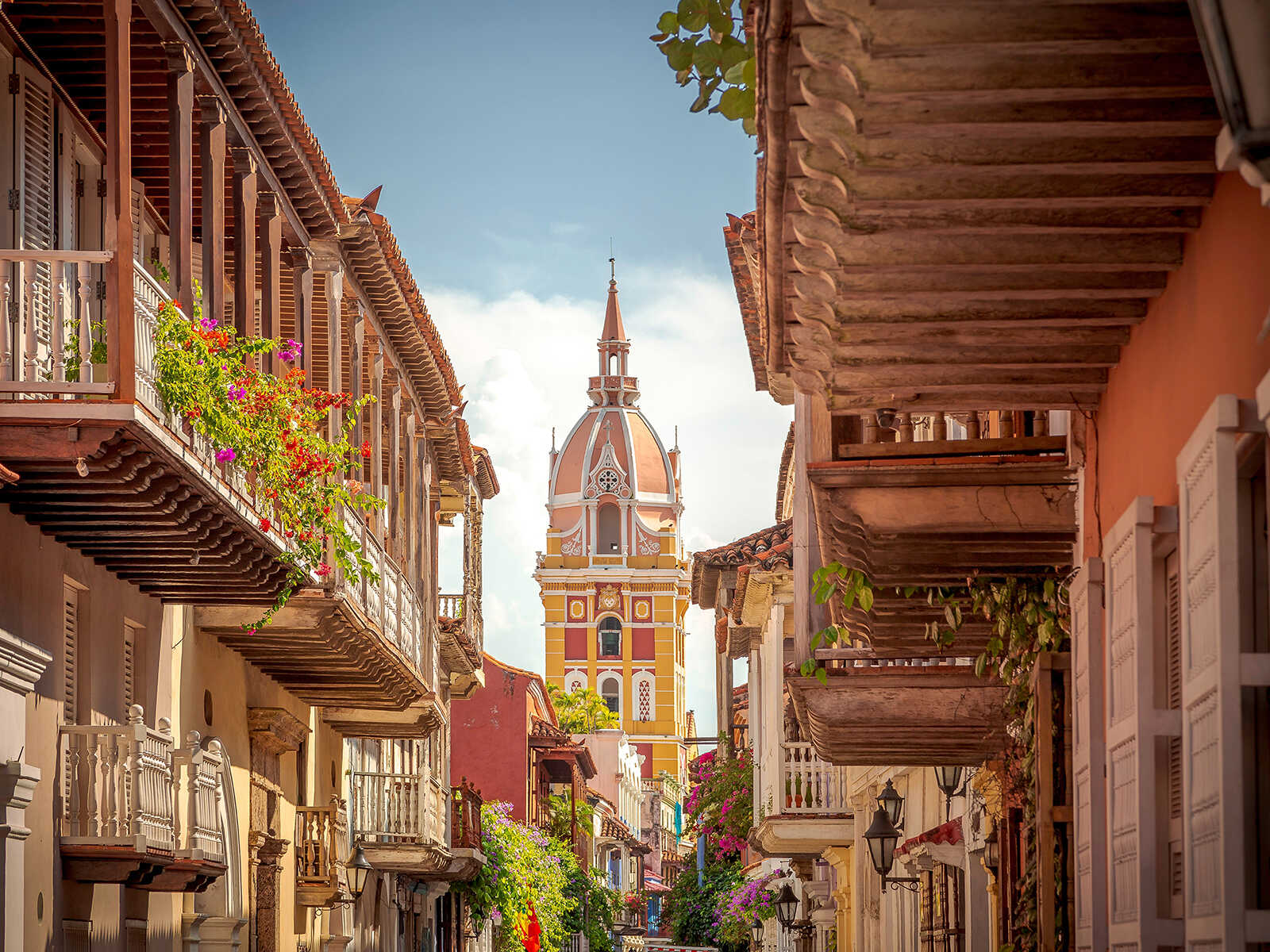
- Cafés:Explore local cafés in cities like Bogotá, Medellín, or the charming streets of the Walled city Cartagena. Seek out specialty coffee shops that pride themselves on brewing expertly roasted Colombian beans.
- El Tinto:Embrace the ubiquitous "tinto," a small, strong black coffee often served throughout the day, from breakfast to after-dinner. It's a social ritual and a taste of authentic Colombian life.
- Local Markets:Visit local markets to see different coffee products, from roasted beans to coffee-infused sweets.
While in the Coffee Region, combine your coffee experiences with other regional highlights. Hike through the breathtaking Cocora Valley, home to the towering wax palms, or relax in the therapeutic waters of Termales Santa Rosa de Cabal. For the adventurous, the majestic peaks of Los Nevados National Natural Park offer incredible high-altitude trekking opportunities, providing a stark contrast to the lush coffee fields below.
A visit to Colombia without delving into its coffee culture is incomplete. From the verdant plantations of the Eje Cafetero to the bustling city cafés, the aroma and taste of Colombian coffee offer an unforgettable sensory experience and a deeper connection to this vibrant country.