
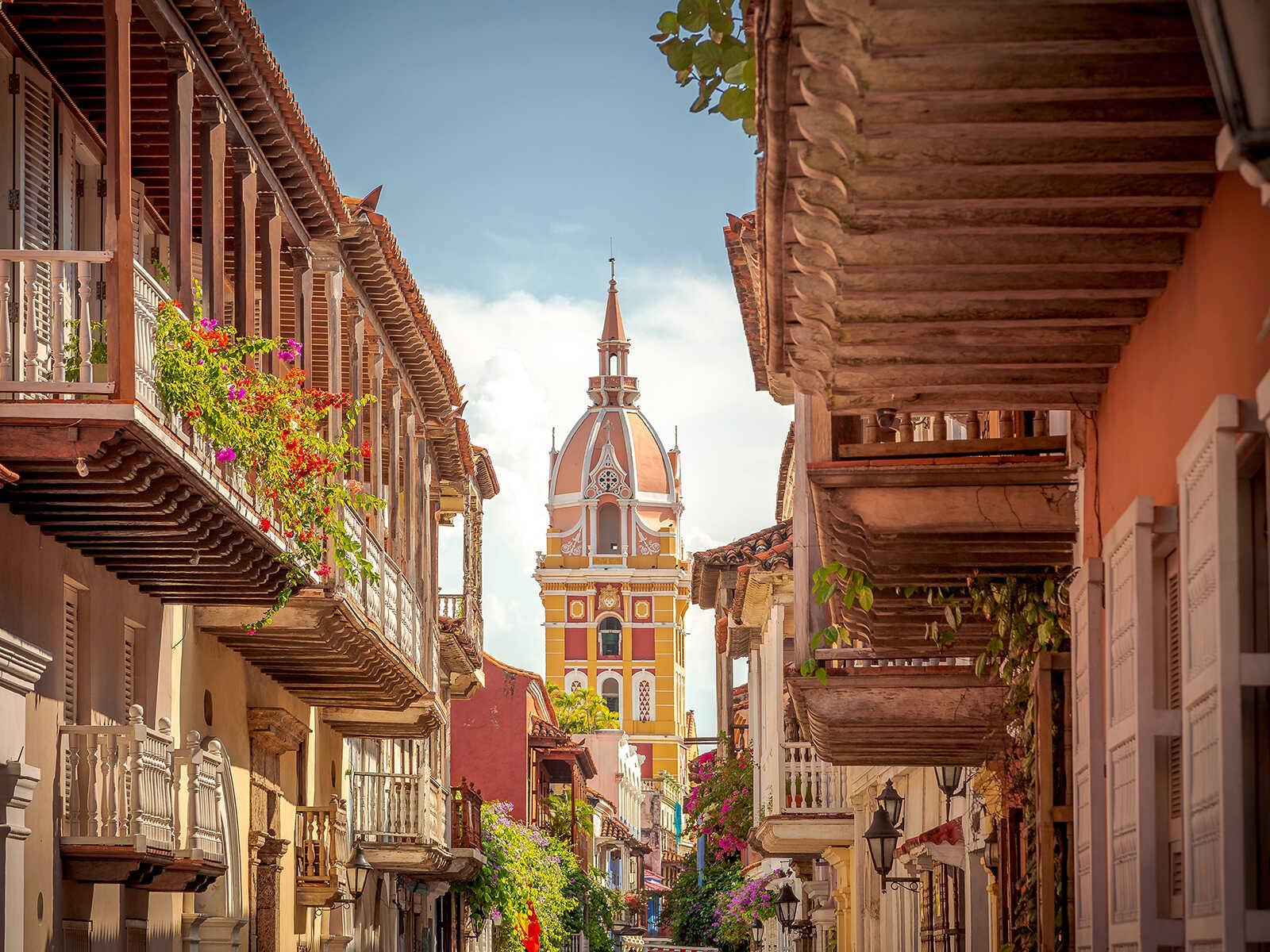
Best Time to Visit Colombia: Weather, Seasons & Festival Guide
Colombia, a land of unparalleled biodiversity and vibrant culture, offers a myriad of experiences for every traveler. Deciding the "best" time to visit can be tricky due to its diverse climates and a packed calendar of festivals, but understanding its unique weather patterns is key to planning your perfect adventure.
Understanding Colombia's Climate: A Land of Microclimates
Unlike countries with four distinct seasons, Colombia's proximity to the equator means its climate is primarily defined by altitude and rainfall. Instead of spring, summer, autumn, and winter, you'll encounter two main seasons: the dry season (known asveranoor summer) and the wet season (inviernoor winter).
- Altitude is King:Temperatures vary drastically from the scorching Caribbean coast to the perpetually cool Andean peaks. Bogotá, at over 2,600 meters, has spring-like weather year-round, while Cartagena on the coast is consistently hot and humid.
- Dry Season (Verano):Generally characterized by less rainfall and more sunshine. These are typically December to March and a shorter period from July to August.
- Wet Season (Invierno):Expect more frequent and sometimes heavier rainfall, usually from April to June and September to November. However, rain often comes in short, intense bursts rather than all-day downpours, especially in the Andean regions.
Fun Fact:Colombia is one of the most biodiverse countries on Earth, partly thanks to its varied climates that support an incredible array of ecosystems, from Amazon rainforest to high-altitude páramos.
The Dry Season (Verano): Generally Peak Travel
For many travelers, the dry season offers the most comfortable conditions for exploring Colombia's diverse landscapes and cities. Expect pleasant weather, making it ideal for outdoor activities, but also prepare for larger crowds and potentially higher prices.
December to March: The Golden Window
This period is widely considered the prime time to visit Colombia, especially for those seeking sunshine and clear skies.
Pros:
- Ideal Weather:Less rain across most of the country, perfect for beach holidays on the Caribbean coast (like Tayrona National Park or the Rosario Islands), trekking in the Coffee Region (Cocora Valley,Salento), or exploring cities like Cartagena and Bogotá (Monserrate,Catedral de Sal).
- Festivals:Kicks off with Christmas and New Year festivities, followed by the spectacular Carnaval de Barranquilla(usually February or March), one of the largest carnivals in the world.
Cons:
- Peak Crowds:Expect more tourists, particularly around popular destinations and during holidays.
- Higher Demand:Accommodation and flights can be more expensive and book up quickly.
July to August: A Mini Dry Season
This period offers another excellent window for travel, especially in the Andean regions. While not as universally dry as December-March, it's a popular time for European and North American visitors.
Pros:
- Good Weather:Generally drier conditions in the central Andean regions, making it a great time for exploring Medellín, the Coffee Region, and Bogotá.
- Festivals:Medellín hosts the vibrant Feria de las Flores(Flower Festival) in August, a truly unique cultural experience.
Cons:
- Still Popular:Can be busy with family travelers during school holidays.
- Coastal Rain:The Caribbean coast might experience more humidity and occasional showers compared to the earlier dry season.
The Wet Season (Invierno): Fewer Crowds, Lush Landscapes
Don't let the term "wet season" deter you. Traveling during these months can offer unique advantages, from fewer tourists to incredibly lush landscapes and specific natural phenomena.
April to June & September to November: Off-Peak Charms
These months see increased rainfall across much of Colombia, but this doesn't mean constant downpours. Typically, rain comes in heavy but short bursts, often in the late afternoon, leaving plenty of time for exploration.
Pros:
- Fewer Crowds:Enjoy popular attractions with fewer people, leading to a more relaxed experience.
- Lower Prices:Generally, you can find better deals on flights and accommodation.
- Lush Scenery:The countryside is incredibly green and vibrant, perfect for photography enthusiasts.
- Unique Experiences:Certain destinations are best visited during the wet season.
Cons:
- More Rain:Some outdoor activities might be affected by rain, and remote areas could experience muddy trails or temporary road closures.
Special Highlight:If your dream is to witness the "Liquid Rainbow" of Caño Cristales, the wet season (typically June to November) is the only time to go. The unique aquatic plants that give the river its vibrant colors require specific water levels and sunlight to flourish.
Regional Breakdown: Tailoring Your Visit
Given Colombia's varied topography, the "best" time can truly depend on where you plan to spend most of your trip.
Caribbean Coast (Cartagena, Tayrona, Rosario Islands)
- Best Time:December to March offers sunny, dry weather, perfect for beaches and city exploration. July and August are also good but can be a bit more humid.
- What to Expect:Hot and humid year-round. The dry season provides relief from heavier rains, but showers can occur at any time.
- Avoid (if possible):October and November tend to be the wettest months with the highest chance of tropical storms.
Andean Region (Bogotá, Medellín, Coffee Region, Salento, Cocora Valley)
- Best Time:December to March and July to August are generally drier and ideal for trekking in places like Los Nevados National Natural Park, exploring coffee farms in Salento and the Cocora Valley, or visiting Guatapé.
- What to Expect:Temperatures are dictated by altitude. Bogotá is cool, Medellín is known as the "City of Eternal Spring." Rain can happen year-round, but it's more frequent during the wet seasons. Thermal baths like Termales Santa Rosa de Cabal are enjoyable in any weather.
Amazon & Eastern Plains (Llanos)
- Best Time:Both dry and wet seasons offer unique experiences. The wet season (April-October) is ideal for navigating rivers by boat and seeing more wildlife, as animals gather near remaining water sources in the dry season.
- What to Expect:Hot and humid year-round with significant rainfall.
Pacific Coast
- Best Time:Primarily visited for whale watching. The humpback whale migration occurs from July to October, which falls within the wet season.
- What to Expect:Very wet and hot, with lush rainforests.
Colombia's Vibrant Festival Calendar
Colombia is a country that loves to celebrate, and its festival calendar is packed year-round. Attending a local festival can be a highlight of your trip, regardless of the weather.
- January:Carnaval de Blancos y Negros(Pasto), Hay Festival (Cartagena).
- February/March:Carnaval de Barranquilla.
- March/April:Semana Santa (Holy Week) is observed nationwide, with significant celebrations in Popayán and Mompox.
- August:Feria de las Flores(Medellín).
- October:Festival Internacional de Cultura (Tunja).
- December:Feria de Cali (Cali).
Practical Tips for Planning Your Trip
- Book Ahead for Peak Season:If traveling during December-March or July-August, secure your flights and accommodation well in advance.
- Pack Layers:Due to altitude changes, you can experience all four seasons in a single day. Layers are your best friend.
- Be Rain Ready:Even during the dry season, a light rain jacket or umbrella is a good idea, especially in the Andes.
- Flexibility Pays:If you're open to traveling during the wet season, you'll often be rewarded with fewer crowds and better deals.
- Consider Your Priorities:If beaches are your focus, aim for the dry season. If unique natural wonders like Caño Cristales or whale watching are on your list, embrace the wet season. For trekking to Ciudad Perdida, the dry season typically offers easier conditions.
Ultimately, there's no single "best" time to visit Colombia, as its charm lies in its year-round appeal and incredible diversity. By understanding its climate patterns and aligning them with your travel interests, you can plan an unforgettable Colombian adventure, no matter when you choose to go.