
Wildlife in Chile: Where to Spot Unique Animals
Chile's extraordinary geography, stretching from the arid Atacama Desert in the north to the glacial landscapes of Patagonia in the south, creates a staggering array of habitats for diverse and unique wildlife. From the soaring condors of the Andes to the elusive pumas and the smallest deer in the world, a journey through Chile promises incredible encounters with nature.
Embark on an unforgettable adventure to discover the fascinating creatures that call this remarkable country home. This guide will help you navigate Chile's vast landscapes to maximize your chances of spotting its most iconic inhabitants.
Chile's Diverse Ecosystems: A Wildlife Haven
The sheer longitudinal span of Chile means it encompasses almost every climate zone imaginable. This dramatic variation fosters an incredible biodiversity, with many species endemic to the region. From high-altitude deserts and volcanic plateaus to dense temperate rainforests, rugged coastlines, and vast icy fields, each ecosystem presents a unique opportunity for wildlife observation.
Northern Chile: Desert, Highlands, and Altiplano Life
The stark beauty of northern Chile, dominated by the Atacama Desert and the towering Andes, might seem barren at first glance, but it teems with life adapted to extreme conditions.
Atacama Desert and High-Altitude Lagoons
The world's driest desert is home to hardy creatures, but it's the high-altitude wetlands and salt flats that truly captivate. These vibrant oases are crucial breeding grounds.
- Flamingos:Three species—Andean, Chilean, and James's flamingos—congregate in their thousands in the saline lagoons and salt flats, such as those found near San Pedro de Atacama and within Lauca National Park. Their vibrant pink plumage against the stark landscape is an iconic sight.
- Vicuñas and Guanacos:These elegant wild camelids, relatives of llamas and alpacas, roam the altiplano. Vicuñas are known for their incredibly fine wool and delicate appearance, while guanacos are more widespread and robust.
- Viscachas:Resembling a rabbit with a long, bushy tail, these playful rodents can often be seen sunning themselves on rocks in high-altitude areas.
- Andean Foxes (Culpeo):Chile's second-largest canid, the culpeo, is an opportunistic hunter often spotted around dusk or dawn.
Tip:Dawn and dusk are often the best times for wildlife viewing in the Atacama, as animals are more active in cooler temperatures.
Central Chile: Coast, Valleys, and Island Ecosystems
Moving south, the climate becomes more Mediterranean, supporting different species along the coast and in the central valleys, with unique pockets of biodiversity on islands.
Coastal Wonders
Chile's extensive coastline is a haven for marine life and seabirds.
- Humboldt Penguins:Distinct from their Patagonian cousins, these penguins nest in colonies along the central and northern coasts, often sharing their habitat with sea lions.
- Sea Lions:Large colonies of South American sea lions can be found lounging on rocks and beaches along much of the Chilean coast.
- Pelicans and Cormorants:Various species of these impressive seabirds are common sights, diving for fish in coastal waters.
Chiloé Island: A Unique Biosphere
The mystical Chiloé Island, with its lush forests and distinct culture, hosts several unique animals.
- Darwin's Fox:One of the world's smallest and most endangered canids, this elusive fox is found only in specific forested areas of Chiloé and mainland Chile. Spotting one is a rare privilege.
- Pudú:The world's smallest deer, the pudú, stands only about 32-35 cm tall. These shy creatures inhabit dense undergrowth.
- Penguins of Puñihuil:Near Ancud, Puñihuil is a unique place where both Humboldt and Magellanic penguins nest side-by-side.
Southern Chile: Patagonia's Iconic Fauna
Patagonia is synonymous with rugged wilderness and dramatic landscapes, home to some of Chile's most celebrated wildlife.
Torres del Paine National Park: The Jewel of Patagonia
This world-renowned park is a prime location for spotting large mammals and birds of prey.
- Pumas:The apex predator of Patagonia, pumas are increasingly sighted by visitors on organized wildlife tracking tours within Torres del Paine National Park.
- Guanacos:Herds of these elegant camelids are ubiquitous throughout the park, often seen grazing on the Patagonian steppe.
- Andean Condor:With a wingspan of up to 3.3 meters, the Andean condor is one of the largest flying birds in the world. They can be seen soaring majestically above the park's peaks and valleys.
- Huemul (Andean Deer):Chile's national animal, this endangered deer is a rare and special sight, often found in the more secluded areas of the park.
- Rhea (Ñandú):The lesser rhea, a large, flightless bird similar to an ostrich, roams the open grasslands.
Tierra del Fuego and the Southern Seas
The southernmost reaches of Chile, including Tierra del Fuego and the vast fjords, are a realm of marine mammals and seabirds.
- King Penguins:One of the few continental colonies of King Penguins outside of sub-Antarctic islands can be found at Bahía Inútil on Tierra del Fuego.
- Magellanic Penguins:Large colonies of these penguins nest along the coastlines of Patagonia, including Isla Magdalena near Punta Arenas.
- Whales and Dolphins:The pristine waters of the Patagonian fjords, accessible via cruises along the Carr Austral or tours to places like San Rafael Glacier, are feeding grounds for various whale species (humpback, blue, sei) and several types of dolphins.
- Elephant Seals and Leopard Seals:While less common, these formidable seals can sometimes be spotted in the more remote southern waters.
Oceanic Territories: Unique Island Life
Chile's remote oceanic islands, though geographically distinct, are part of its unique wildlife tapestry.
Easter Island (Rapa Nui)
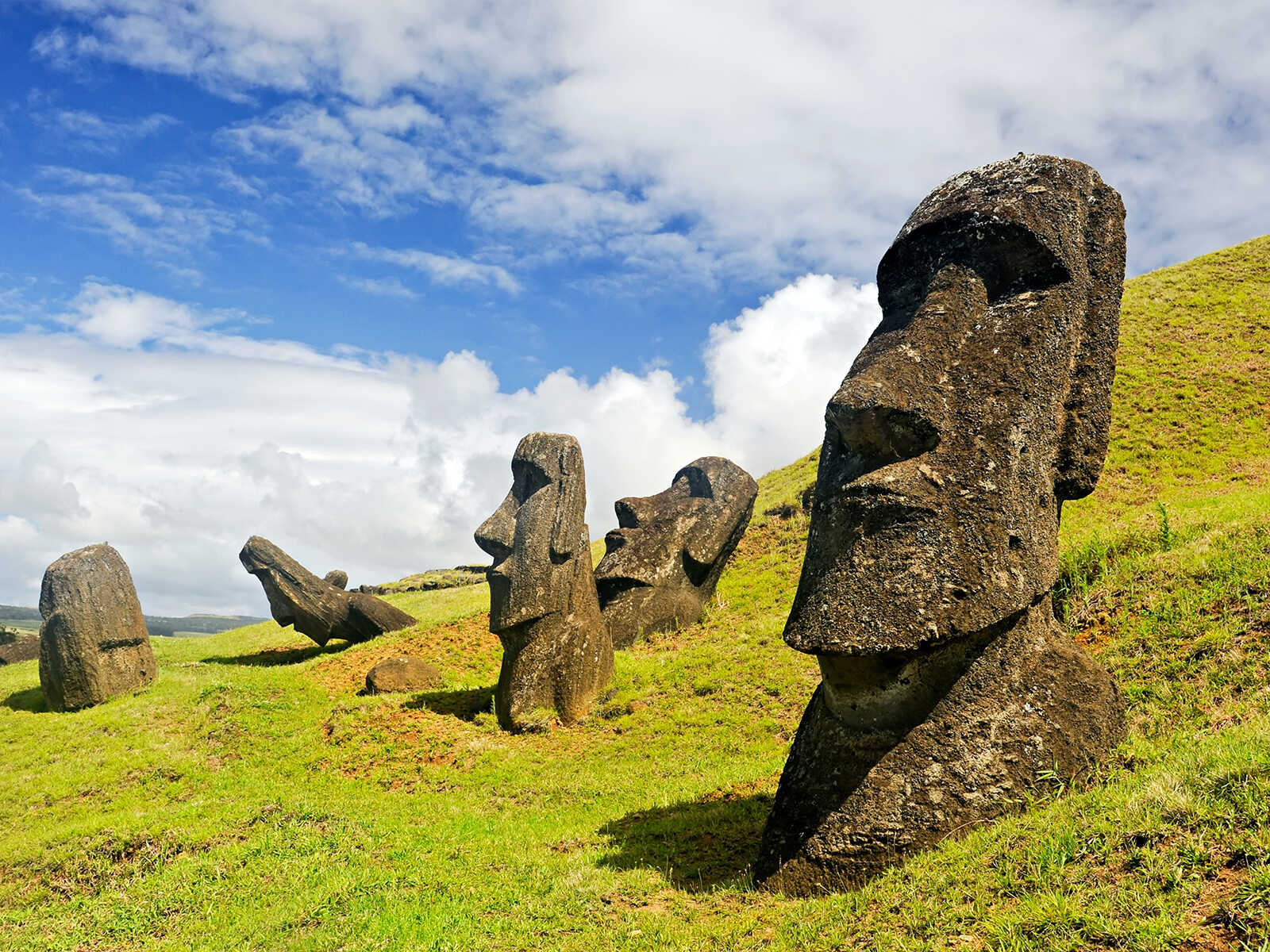
While world-renowned for its enigmatic Moai statues at sites like Ahu Tongariki and Rano Raraku,Anakena beach, Easter Island (Rapa Nui) offers a different kind of wildlife experience. Terrestrial mammals are few, but its surrounding waters are rich.
- Marine Life:Snorkeling and diving reveal vibrant coral reefs, tropical fish, sea turtles, and occasional dolphins or even whales passing through.
- Seabirds:Various seabirds nest on the island's cliffs and islets, contributing to its natural beauty.
Responsible Wildlife Viewing Practices
To ensure these incredible animals thrive for future generations, responsible tourism is paramount. Always observe wildlife with respect and minimal impact.
- Maintain Distance:Use binoculars or a telephoto lens for close-up views. Never approach or disturb animals.
- Do Not Feed Animals:Feeding can alter their natural behavior and lead to dependence on humans.
- Stay on Marked Trails:This minimizes disturbance to habitats and prevents accidental damage to fragile ecosystems.
- Support Local Conservation:Choose tour operators committed to ethical practices and consider donating to local conservation efforts.
- Leave No Trace:Pack out everything you pack in, and never leave litter behind.
Chile's incredible spectrum of ecosystems makes it a top destination for wildlife enthusiasts. Whether you dream of spotting a puma in Patagonia or flamingos dancing in the desert, this country offers unparalleled opportunities for unforgettable encounters with nature's most magnificent creatures.