
Visiting Easter Island (Rapa Nui): An Essential First-Timer's Guide
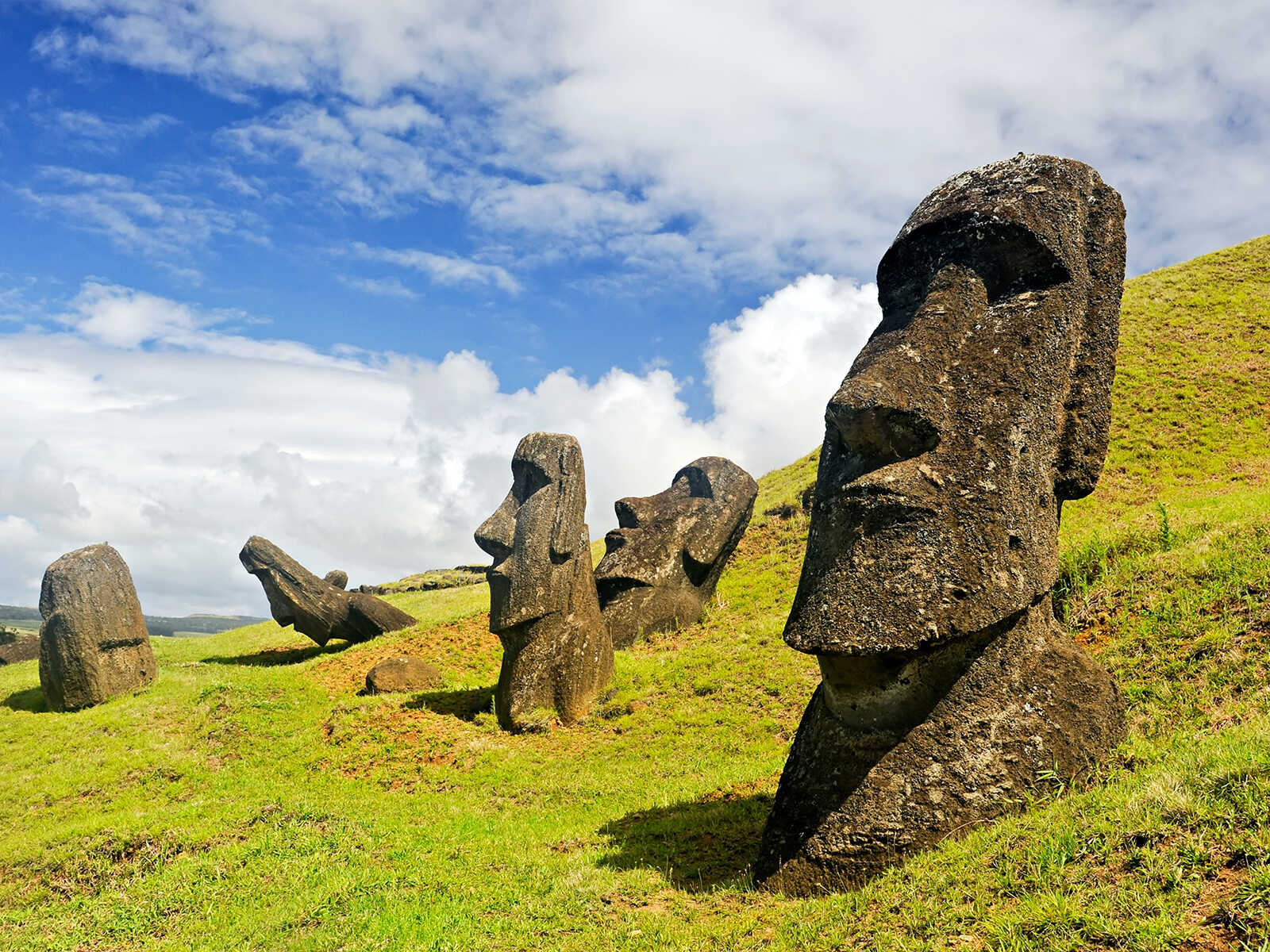
Easter Island, known to its native inhabitants as Rapa Nui, is a remote and mystical land famous for its monumental Moai statues. This isolated speck in the Pacific Ocean, a special territory of Chile, offers an unparalleled journey into ancient Polynesian culture and breathtaking landscapes. This guide will equip first-time visitors with the essential knowledge for an unforgettable adventure.
Getting There: The Journey to the World's Most Isolated Inhabited Island
Reaching Rapa Nui is an adventure in itself, emphasizing its incredible isolation. The only way to get to Easter Island is by air, with flights typically departing from Santiago, Chile's capital. The flight duration is approximately five to six hours, landing at Mataveri International Airport (IPC) in Hanga Roa, the island's only town.
Due to the limited number of flights, especially during off-peak seasons, it's crucial to book your tickets well in advance. Consider combining your trip to Rapa Nui with other incredible Chilean destinations, from the stark beauty of the Atacama Desert in the north to the glacial wonders of Torres del Paine National Park in Patagonia.
Planning Your Visit: When to Go and How Long to Stay
Easter Island enjoys a subtropical climate, making it a year-round destination. However, the peak season runs from December to March (summer in the Southern Hemisphere), offering warmer weather but also more crowds and higher demand for accommodations. The shoulder seasons (April-June and October-November) provide a good balance of pleasant weather and fewer tourists.
For a comprehensive first-time visit, we recommend a stay of at least 4-5 full days. This allows ample time to explore the major archaeological sites without rushing, experience the local culture, and enjoy some relaxation.
Rapa Nui National Park Pass: Your Essential Ticket
Almost all the significant archaeological sites on Easter Island are located within the Rapa Nui National Park, a UNESCO World Heritage site. To visit these sites, you must purchase a National Park ticket. This ticket is mandatory and is typically purchased upon arrival at the airport or at the CONAF office in Hanga Roa. The pass is valid for a limited number of days from its first use, so plan your itinerary accordingly.
Important Tip:Keep your Rapa Nui National Park pass safe! You'll need to present it at the entrance of many key sites. Some sites, like Rano Raraku and Orongo, allow only one entry per ticket, so plan your visit to these locations carefully.
Getting Around the Island: Exploring at Your Own Pace
While Hanga Roa is small enough to explore on foot, the island's major attractions are spread out. Here are your primary transportation options:
- Rental Car:This is often the most popular and flexible option for tourists. Renting a 4x4 is advisable for navigating some of the island's unpaved roads. Book in advance, especially during peak season.
- Scooters/Motorcycles:A fun way to get around, suitable for confident riders.
- Bicycles:Ideal for fit travelers wanting to explore at a slower pace. Be prepared for hills and varying road conditions.
- Guided Tours:Many local agencies offer guided tours, which are excellent for gaining deeper insights into the island's history and culture. This is especially recommended for first-timers to understand the significance of the sites.
- Taxis:Readily available in Hanga Roa for shorter trips or specific site visits.
Must-See Sites: Unveiling the Mysteries of Rapa Nui
Rano Raraku: The Moai Quarry
Often called the "Moai factory,"Rano Raraku is perhaps the most captivating site on the island. This volcanic crater served as the quarry for 95% of Easter Island's Moai. Here, you'll see hundreds of statues in various stages of completion, some still embedded in the rock, offering a profound glimpse into the incredible engineering and artistry of the Rapa Nui people.
Ahu Tongariki: Sunrise Spectacle
Home to the largest standing Ahu (stone platform) on Easter Island,Ahu Tongariki features 15 majestic Moai statues. This site is particularly renowned for its breathtaking sunrises, as the sun emerges directly behind the Moai, casting dramatic silhouettes. Arriving before dawn is highly recommended for an unforgettable experience.
Anakena: The Royal Beach
After a day of exploring archaeological wonders, relax at Anakena Beach, the island's most beautiful white sand beach. Flanked by palm trees and two Ahu platforms (Ahu Nau Nau and Ahu Ature Huki),Anakena is believed to be the landing site of the island's first king, Hotu Matu'a. It's perfect for swimming, sunbathing, and enjoying a local empanada from the nearby stalls.
Orongo: Ceremonial Village
Perched on the rim of the Rano Kau volcano, Orongo is an ancient ceremonial village associated with the Birdman Cult (Tangata Manu). This site offers stunning views of the ocean, the crater lake, and the nearby Motu Nui islets, where the annual Birdman competition took place. Explore the partially restored stone houses and petroglyphs.
Rano Kau: Volcanic Crater
The largest volcanic crater on Easter Island, Rano Kau boasts a spectacular caldera filled with a freshwater lake dotted with unique micro-islands of totora reeds. A viewpoint near Orongo offers panoramic vistas of this natural wonder.
Ahu Tahai: Sunset Views
Located just outside Hanga Roa, Ahu Tahai is a complex of three Ahu platforms featuring various Moai styles, including one with recreated coral eyes. It's an excellent spot to witness a spectacular Pacific sunset, often less crowded than Ahu Tongariki, and easily accessible from town.
Respecting the Culture and Environment
Easter Island is a fragile ecosystem with a deep cultural heritage. Visitors are urged to practice responsible tourism:
- Stay on marked paths:Protect the archaeological sites and delicate vegetation.
- Do not touch the Moai:These ancient statues are sacred and easily damaged.
- Respect local customs:Learn a few Rapa Nui phrases (e.g.,"Ia Orana"for hello,"Mauruuru"for thank you).
- Minimize your waste:Help preserve the island's pristine environment.
Accommodation and Dining
Hanga Roa offers a range of accommodation options, from boutique hotels and guesthouses to cabins and camping sites. Booking in advance is highly recommended, especially during peak season.
Dining on Easter Island features a blend of Chilean and Polynesian influences. Fresh seafood, particularly tuna (atún), is a highlight. Don't miss trying local dishes likePo'e(a pumpkin and flour cake) or indulging in an authentic Curanto (a traditional stew cooked in an earth oven, though less common for tourists).
Beyond the Moai: Other Activities
While the Moai are undoubtedly the main draw, Easter Island offers more to explore:
- Diving and Snorkeling:Discover vibrant marine life and even an underwater Moai.
- Hiking:Explore lesser-known trails and enjoy panoramic views.
- Surfing:Catch waves at various spots around the island.
- Horseback Riding:A unique way to reach remote parts of the island.
- Hanga Roa Exploration:Wander through the town, visit the local market, and the small but informative Sebastian Englert Anthropological Museum.
Essential Tips for First-Timers
- Book Everything in Advance:Flights, accommodation, and rental cars are limited.
- Bring Sun Protection:The equatorial sun is intense. Pack sunscreen, a hat, and sunglasses.
- Stay Hydrated:Carry plenty of water, especially when exploring sites.
- Wear Comfortable Shoes:You'll be doing a lot of walking on uneven terrain.
- Learn Basic Spanish or Rapa Nui:While English is spoken in tourist areas, a few local phrases go a long way.
- Budget Wisely:As a remote island, costs can be higher than mainland Chile.
- Disconnect:Embrace the island's tranquility; internet can be slow or intermittent.
Visiting Easter Island is a profound experience that transports you to a world of ancient mysteries and stunning natural beauty. By planning ahead and respecting its unique culture and environment, your first trip to Rapa Nui will be an unforgettable journey to one of Earth's most extraordinary places.