
The Diverse Geography of Chile: Exploring Deserts, Mountains & Coastlines
Stretching over 4,300 kilometers along South America's southwestern edge, Chile boasts one of the most extraordinary geographical profiles on Earth. From the driest desert to colossal glaciers, its narrow ribbon of land encompasses an incredible array of ecosystems, offering travelers an unparalleled journey through natural wonders. This unique topography, flanked by the Andes Mountains to the east and the Pacific Ocean to the west, shapes not only its landscapes but also its vibrant culture and diverse experiences.
Chile's remarkable length, combined with its relatively slender width, creates a natural laboratory of climates and terrains. This elongated nation traverses nearly 38 degrees of latitude, leading to distinct geographical zones, each with its own character and allure. Understanding these regions is key to appreciating the depth of experiences Chile offers, from stargazing in lunar landscapes to trekking through ancient forests and sailing through Patagonian fjords.
The Arid North: Deserts & High Plateaus
The northern reaches of Chile are dominated by some of the world's most extreme arid environments, characterized by vast deserts and high-altitude plateaus that climb towards the Andes. This region presents a stark beauty, where life finds ingenious ways to thrive against a backdrop of surreal landscapes.
The Atacama Desert: A Lunar Landscape
Synonymous with extraordinary dryness and clear skies, the Atacama Desert is a place of stark contrasts and breathtaking vistas. It's considered one of the driest places on Earth, with some areas receiving virtually no rainfall for centuries. Yet, it pulses with life, from resilient flora to unique wildlife, and is a hub for astronomical observation due to its pristine, unpolluted skies. Visitors can explore otherworldly formations in places like the Valle de la Luna(Valley of the Moon), witness geysers erupting at dawn, or relax in natural hot springs. Further north, the high-altitude wetlands and volcanoes of Lauca National Park offer stunning scenery and a chance to spot vicuñas and flamingos.
Travel Tip:Due to the high altitude in many parts of the Atacama, it's advisable to take it easy on your first day and stay hydrated to avoid altitude sickness.
Coastal Deserts & Ephemeral Blooms
While much of the Atacama is inland, Chile's northern coastline also features arid landscapes, often shrouded in a unique coastal fog known as "camanchaca." This fog provides vital moisture for certain plant species, leading to rare and spectacular events. In years of exceptional rainfall, typically fueled by El Niño, the otherwise barren plains can transform into a vibrant carpet of flowers, a phenomenon known as Desierto Florido. This fleeting spectacle draws visitors from around the globe, showcasing nature's resilience and beauty.
The Central Region: Mediterranean & Valleys
Moving south from the arid north, Chile transitions into a fertile central zone characterized by a Mediterranean climate. This region is the heartland of Chile's population, agriculture, and cultural heritage, offering a blend of urban sophistication and natural beauty.
Santiago & Valparaíso: Urban Charms
The country's capital, Santiago, lies nestled in a valley surrounded by the towering Andes, offering impressive urban views and access to nearby ski resorts and vineyards. Popular viewpoints like Cerro San Cristóbal and Santa Lucía Hill provide panoramic perspectives of the sprawling city against its mountainous backdrop. Just a short drive west is the vibrant port city of Valparaíso, a UNESCO World Heritage site famous for its colorful hillside houses, labyrinthine alleys, and historic funiculars. Its bohemian atmosphere and artistic flair make it a captivating destination.
Wine Country & Agricultural Richness
The central valleys, blessed with a favorable climate and fertile soils, are Chile's agricultural heartland, particularly renowned for viticulture. Numerous vineyards dot the landscape, producing world-class wines, especially Cabernet Sauvignon and Carmenère. Rivers like the Elqui River, flowing through its namesake valley, not only irrigate these fertile lands but also create microclimates ideal for growing other crops and even for astronomical tourism, thanks to its clear skies.
The Southern Frontier: Lakes, Volcanoes & Glaciers
Chile's south unfolds into a dramatic landscape of deep blue lakes, active volcanoes, ancient forests, and colossal glaciers, culminating in the rugged, windswept wilderness of Patagonia. This region is an adventurer's paradise, offering endless opportunities for hiking, kayaking, and exploring.
The Lake District: Peaks and Pristine Waters
The Chilean Lake District is a picturesque region dotted with numerous lakes, conical volcanoes, and lush national parks. Charming towns like Pucón, nestled at the foot of the active Villarrica volcano, serve as bases for outdoor activities ranging from volcano ascents and white-water rafting to relaxing in thermal hot springs. The landscape here is characterized by temperate rainforests, crystal-clear rivers, and a strong indigenous Mapuche cultural influence.
Patagonia & Fjords: Wilderness Unbound
Further south, Patagonia beckons with its raw, untamed beauty. Here, the Andes become more jagged and dramatic, giving way to immense ice fields and deep fjords carved by ancient glaciers.Torres del Paine National Park is arguably the crown jewel, famous for its iconic granite towers, turquoise lakes, and diverse wildlife, including guanacos and pumas. Travelers can embark on multi-day treks or shorter excursions to witness its grandeur.
The Carretera Austral, or Carr Austral, is a legendary scenic highway that winds through this rugged terrain, offering access to remote villages, pristine national parks, and natural wonders like the confluence of the Confluencia Rio Baker/Neff. Further south, the stunning blue hues of the Marble Caves on General Carrera Lake are a testament to nature's artistry. Glaciers like the San Rafael Glacier calve massive icebergs into lagoons, a spectacular sight. The large Chiloé Island stands out with its unique wooden churches and distinct folklore. The southernmost tip,Tierra del Fuego, is a land of extreme conditions, vast plains, and subpolar forests, marking the gateway to Antarctica.
The Isolated Outpost: Easter Island (Rapa Nui)
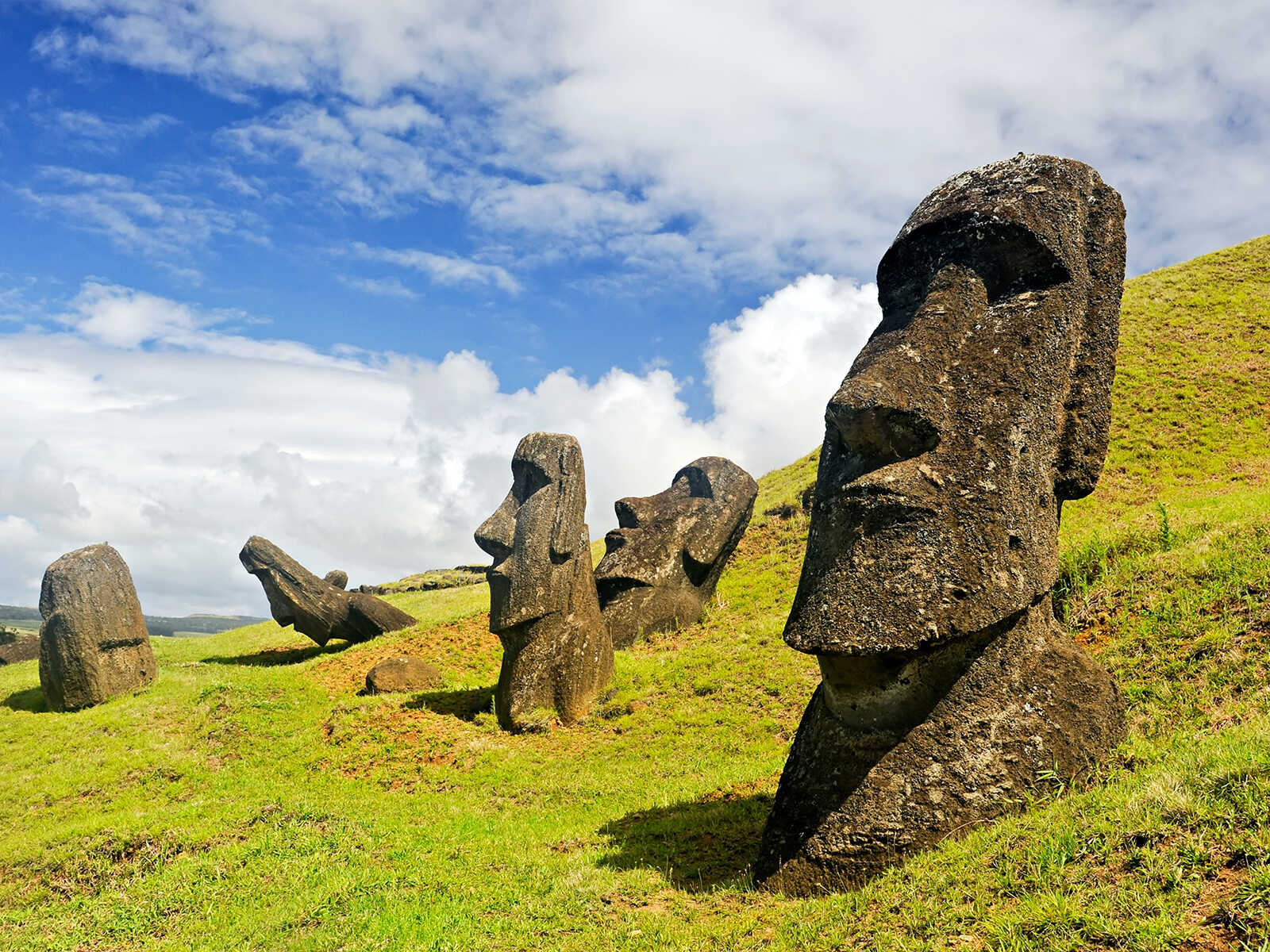
While geographically distant, Easter Island, or Rapa Nui, is an integral part of Chile. Located over 3,700 kilometers off the mainland coast in the Pacific Ocean, this volcanic island is world-renowned for its mysterious monolithic statues, the moai. Its remote location has fostered a unique culture and a distinct, dramatic landscape. Visitors can explore archaeological sites like Ahu Tongariki, with its row of moai, or the quarry at Rano Raraku, where many unfinished statues lie. The beautiful white sands of Anakena beach offer a tropical contrast to the island's historical wonders.
Conclusion: A Journey Through Earth's Extremes
Chile's geography is a testament to the planet's incredible diversity, packed into an impossibly long and narrow strip of land. From the parched, star-filled skies of the Atacama to the fertile valleys of the central region, and the icy fjords of Patagonia to the enigmatic moai of Easter Island, Chile offers an unparalleled journey across deserts, mountains, and coastlines. Each region presents its own unique challenges and rewards, promising an unforgettable adventure for every type of traveler eager to explore the diverse wonders of this South American gem.