
Santiago Travel Guide: Top Things to Do & See
Santiago, Chile's vibrant capital, is a sprawling metropolis nestled against the majestic Andes mountains. It's a city of fascinating contrasts, where colonial architecture meets modern skyscrapers, and bustling markets coexist with serene parks. This guide will help you navigate its many charms, from historical landmarks to trendy neighborhoods and breathtaking viewpoints.
Getting to Know Santiago
Santiago serves as Chile's economic and cultural heart, offering a dynamic blend of South American charm and European sophistication. Its strategic location makes it an ideal base for exploring the diverse landscapes of Chile, from the arid north to the icy south. The city itself boasts a rich history, a thriving arts scene, and a burgeoning culinary reputation.
Navigating the City
Santiago is a large city, but its public transportation system is efficient and easy to use. TheMetro de Santiagois clean, safe, and extensive, connecting most major attractions and neighborhoods. Buses complement the Metro network, offering comprehensive coverage. For shorter distances, taxis and ride-sharing apps are readily available. Consider purchasing a Bip! card for seamless travel on both the Metro and buses.
Santiago's Must-See Attractions
Historical Heart: Plaza de Armas and Surroundings
Begin your exploration at thePlaza de Armas, Santiago's historic main square and the city's geographical and spiritual center since its founding in 1541. Here, you'll find a lively atmosphere with street performers, artists, and locals enjoying the day.
- Catedral Metropolitana:Dominating one side of the Plaza, this impressive neoclassical cathedral has stood in various forms since 1748. Its ornate interior is a testament to colonial religious architecture.
- Palacio de la Real Audiencia:Now home to theMuseo Histórico Nacional, offering insights into Chile's past from pre-Columbian times to the 20th century.
- Correo Central (Central Post Office):A beautiful architectural landmark, originally designed as a presidential palace.
Just a few blocks away lies the magnificentPalacio de La Moneda, the presidential palace. Witnessing the changing of the guard ceremony (typically every other day at 10 AM on weekdays and 11 AM on weekends) is a memorable experience.
Tip:Many museums in Santiago offer free entry on certain days or times. Check their official websites before your visit to potentially save on admission fees.
Panoramic Views: Cerro San Cristóbal & Santa Lucía Hill
For breathtaking vistas of Santiago, a visit to Cerro San Cristóbal is essential. This expansive urban park offers numerous attractions:
- Take the funicular or cable car to the summit for panoramic views of the city stretching towards the Andes.
- Visit the iconic statue of the Virgin Mary.
- Explore the Japanese Garden, the Santiago Zoo, or simply enjoy a picnic amidst the greenery.
Another excellent viewpoint, closer to the city center, is Santa Lucía Hill. This beautifully landscaped urban park, once a defensive fortress, offers terraced gardens, ornate fountains, and excellent city views from its summit, accessible via a short climb.
Cultural Immersion & Art
Santiago's cultural scene is vibrant and diverse.
- Barrio Lastarria:A charming, bohemian neighborhood known for its tree-lined streets, independent boutiques, art galleries, and cozy cafes. It's perfect for a leisurely stroll and a coffee.
- Museo Chileno de Arte Precolombino:Located near Plaza de Armas, this museum houses an exceptional collection of pre-Columbian art and artifacts from across Central and South America.
- Museo Nacional de Bellas Artes:Housed in a stunning Beaux-Arts building, it's one of South America's oldest art museums, featuring a vast collection of Chilean art and sculptures.
- Centro Cultural Gabriela Mistral (GAM):A modern cultural hub hosting theater, dance, music, and art exhibitions.
Culinary Delights & Vibrant Neighborhoods
Santiago's food scene is dynamic, ranging from traditional Chilean fare to international cuisine.
- Mercado Central:A bustling iron-domed market famous for its fresh seafood. Try a plate ofreinetaorcaldillo de congrio(conger eel stew), a Chilean specialty.
- Barrio Bellavista:This lively neighborhood comes alive at night with numerous restaurants, bars, and clubs. It's also home toLa Chascona, one of Pablo Neruda's eccentric former homes, now a museum.
- Barrio Italia:Known for its antique shops, design stores, and a growing number of excellent restaurants and cafes, offering a more relaxed, upscale bohemian vibe.
Day Trips from Santiago
Santiago's central location makes it an ideal base for exploring beyond the city limits.
- Valparaíso:A UNESCO World Heritage site, this colorful port city is famous for its steep hills, historic funiculars, and vibrant street art. It's a fantastic contrast to Santiago and easily accessible by bus.
- Wine Regions:The fertile valleys surrounding Santiago are home to world-renowned vineyards. The Maipo Valley, Casablanca Valley, and Colchagua Valley offer fantastic wine tours and tastings.
- Ski Resorts:During the winter months (June to September), the Andes mountains offer excellent skiing and snowboarding opportunities at resorts like Valle Nevado, La Parva, and El Colorado, all within a couple of hours' drive.
Fun Fact:Chile is the world's seventh-largest producer of wine, with its unique climate and geography contributing to distinctive and highly acclaimed varietals like Carmenere.
When to Visit & Practical Tips
Best Time to Visit
Santiago enjoys a Mediterranean climate.Spring (September to November)andAutumn (March to May)are generally considered the best times to visit, with pleasant temperatures and fewer crowds. Summer (December to February) can be hot, while winter (June to August) is cooler and brings the possibility of snow in the surrounding Andes.
Practical Advice
- Language:Spanish is the official language. While English is spoken in tourist areas, learning a few basic phrases will enhance your experience.
- Safety:Santiago is generally safe, but like any large city, exercise caution, especially in crowded areas and at night. Be aware of your belongings and avoid displaying valuables.
- Currency:The Chilean Peso (CLP) is the official currency. ATMs are widely available, and credit cards are accepted in most establishments.
- What to Pack:Pack layers, as temperatures can vary throughout the day. Comfortable walking shoes are a must. If visiting in summer, bring sun protection; for winter, warm clothing is essential.
Beyond Santiago: Exploring More of Chile
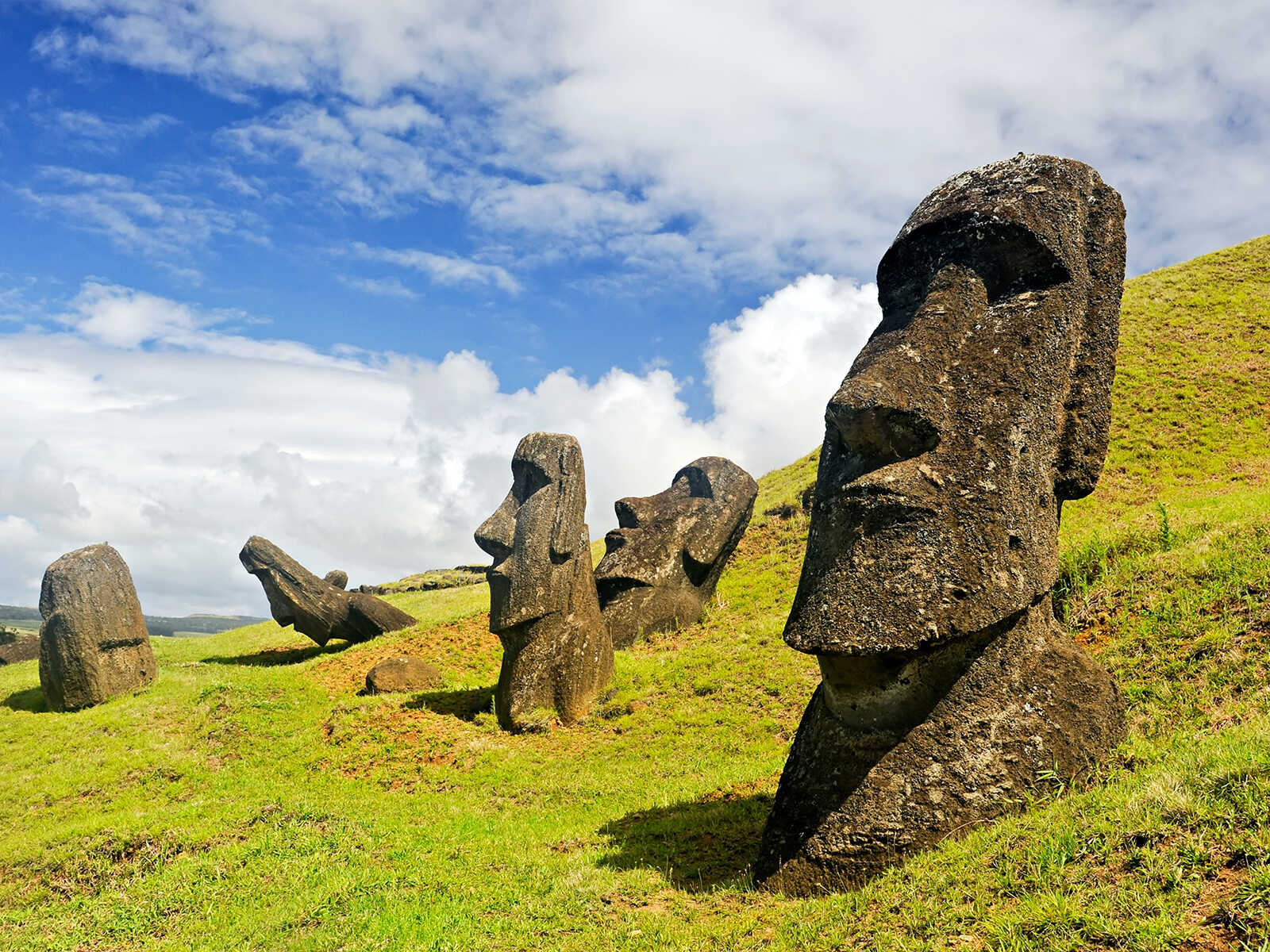
Santiago serves as an excellent starting point for discovering the incredible diversity of Chile. To the north, the stark beauty of the Atacama Desert awaits, with its otherworldly landscapes and celestial stargazing opportunities, including sites like Valle de la Luna. South of Santiago, you can explore the stunning lakes and volcanoes of the Lake District, including the active Villarrica volcano, or venture further to the breathtaking wilderness of Patagonia, home to Torres del Paine National Park and the remote Tierra del Fuego. If you have time for truly unique experiences, consider a journey to Rapa Nui (Easter Island) to see the iconic Moai at Ahu Tongariki or Rano Raraku, or explore the mystical Chiloé Island with its colorful palafitos and wooden churches.
Santiago is more than just a gateway; it's a destination in itself, offering a rich tapestry of history, culture, and natural beauty. Whether you're drawn to its vibrant city life, its stunning mountain backdrops, or its proximity to world-class vineyards, Santiago promises an unforgettable Chilean adventure.