
Is Chile Safe for Tourists? Essential Safety Tips & Advice
Chile, a land of incredible natural beauty stretching from the arid Atacama Desert to the glacial fjords of Patagonia, captivates travelers with its diverse landscapes and vibrant culture. While generally considered one of South America's safer destinations, understanding local conditions and practicing smart travel habits are key to a smooth and enjoyable trip.
Overall Safety Assessment: Navigating Chile with Confidence
Chile consistently ranks well on global safety indexes, making it a popular choice for international visitors. Most tourist experiences are overwhelmingly positive, with visitors enjoying everything from hiking in Torres del Paine National Park to stargazing in the Atacama Desert. However, like any country, Chile has its share of challenges, primarily petty crime in urban centers and occasional social unrest. Being informed and prepared will significantly enhance your safety.
Common Concerns & How to Mitigate Them
Petty Crime: Staying One Step Ahead
Petty crime, such as pickpocketing and bag snatching, is the most common issue tourists face, particularly in crowded areas of major cities like Santiago and Valparaíso. Thieves often target distracted individuals, especially those using phones or carrying visible valuables.
- Be Aware of Your Surroundings:Always pay attention to who is around you, especially in busy markets, bus terminals, and tourist attractions.
- Secure Your Belongings:Use a cross-body bag or a money belt worn under your clothes. Keep wallets in front pockets. Avoid putting phones or wallets on restaurant tables.
- Minimize Flashy Items:Try not to display expensive jewelry, cameras, or large amounts of cash. Blend in as much as possible.
- Watch for Distractions:Be wary of anyone trying to distract you, as this is a common tactic for pickpockets.
Scams: Recognizing and Avoiding Them
While less common than petty crime, various scams can target tourists. These often involve overcharging or creating a deceptive situation.
- Taxi Scams:Always use official taxis (registered with a meter) or ride-sharing apps. Confirm the price or ensure the meter is running at the start of your journey. Avoid unmarked taxis or those that seem overly pushy.
- ATM Scams:Use ATMs located inside banks or reputable establishments. Be vigilant for card skimmers or anyone trying to "help" you with the machine. Cover the keypad when entering your PIN.
- "Helpful" Strangers:While most Chileans are genuinely kind, be cautious of strangers who approach you offering unsolicited help, especially around ATMs or bus stations, as this can be a distraction for theft.
Traveler Tip:When taking a taxi from Santiago Airport, head to the official stands inside the terminal to pre-book a taxi or transfer, ensuring a safe and fair fare to your destination.
Protests & Social Unrest: Staying Safe Amid Demonstrations
Chile has a history of social demonstrations, particularly in Santiago. While most are peaceful, they can sometimes escalate and lead to disruptions, including road closures and clashes with police. Tourists are rarely targeted, but it's important to exercise caution.
- Stay Informed:Check local news outlets and government travel advisories before and during your trip. Your accommodation staff can also provide current information.
- Avoid Demonstrations:If you encounter a protest, calmly leave the area. Do not attempt to join or observe from close proximity.
- Understand Curfews:In rare cases of severe unrest, curfews may be imposed. Follow all local authority instructions.
Natural Disasters: Preparedness is Key
Chile is situated in an active seismic zone and is prone to earthquakes, tsunamis along its coast, and volcanic activity (such as near Villarrica). While these events are unpredictable, preparedness can mitigate risks.
- Know What to Do:Familiarize yourself with earthquake safety procedures ("Drop, Cover, Hold On"). If near the coast after a strong earthquake, head to higher ground immediately.
- Follow Local Advice:Pay attention to official warnings and instructions from local authorities or your accommodation regarding natural phenomena.
- Check for Alerts:Be aware of any alerts from Chile's National Emergency Office (ONEMI) or weather services, especially if visiting areas with active volcanoes or coastal regions.
Safety in Specific Regions & Activities
Urban Areas: Santiago & Valparaíso
Major cities like Santiago and Valparaíso are where most tourists encounter petty crime. While exploring iconic spots like Cerro San Cristóbal or Santa Lucía Hill in Santiago, or the colorful hills of Valparaíso, remain vigilant.
- Nighttime Safety:Avoid walking alone at night, especially in dimly lit or unfamiliar areas. Use reputable taxis or ride-shares.
- Public Transport:Buses and the Santiago Metro are generally safe but can be crowded, offering opportunities for pickpockets. Keep belongings secure.
Adventure Travel: Mountains, Deserts & Waterways
Chile offers incredible opportunities for adventure, from hiking in Patagonia to exploring the Valle de la Luna in the Atacama. Safety here often pertains to environmental hazards and proper preparation.
- Go with Guides:For challenging treks in Torres del Paine National Park or navigating the vast Atacama Desert, always use reputable tour operators and experienced guides.
- Inform Others:If undertaking solo hikes or excursions, inform your accommodation or a trusted contact of your plans and expected return time.
- Proper Gear:Carry appropriate clothing, navigation tools, sufficient water, and emergency supplies, especially in remote areas or extreme climates.
- Water Activities:When enjoying water sports in places like the Elqui River or exploring the Marble Caves or Confluencia Rio Baker/Neff, always follow safety instructions and wear appropriate flotation devices.
Remote Areas: Patagonia, Easter Island & Northern Frontiers
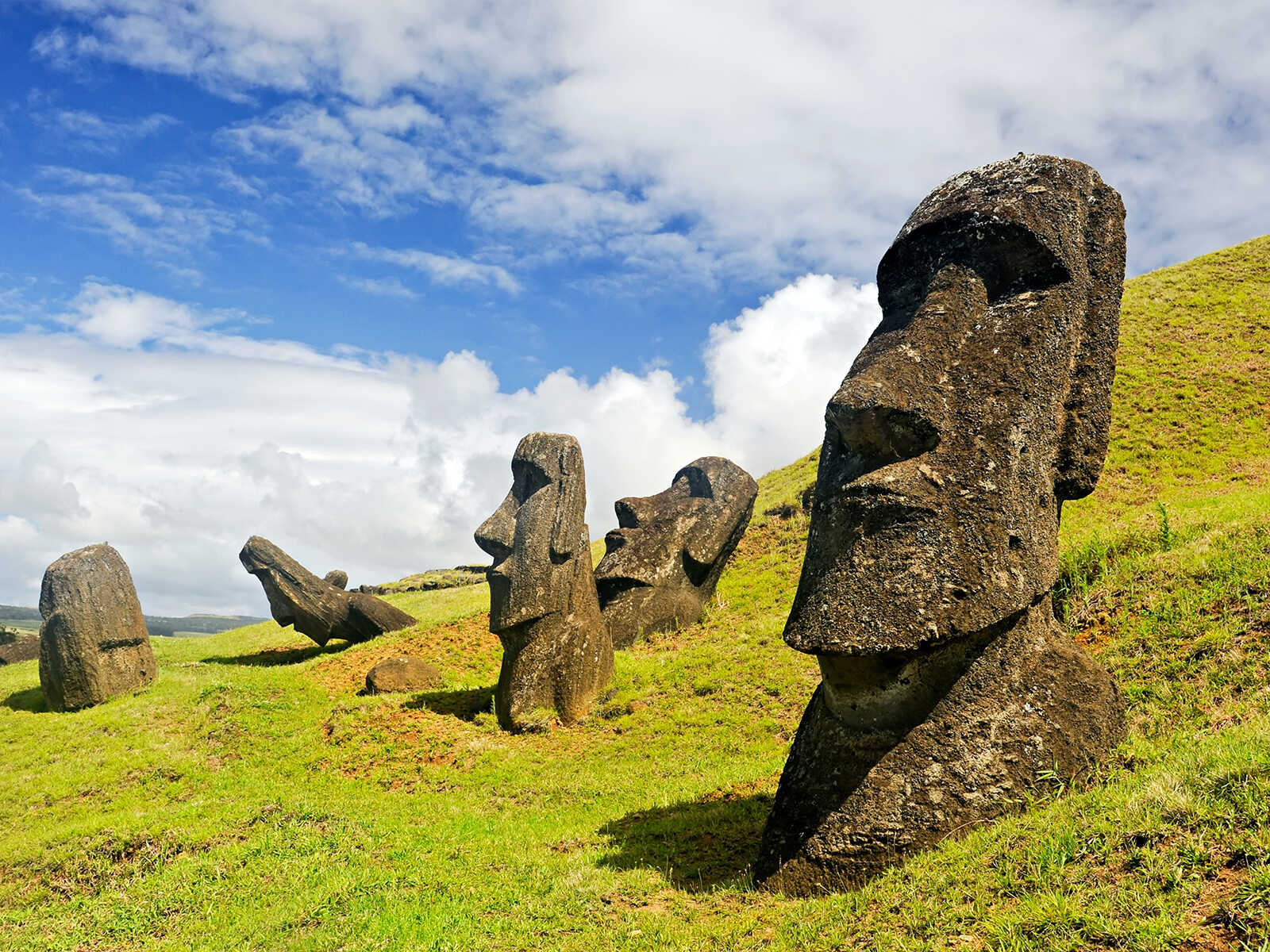
Regions like Tierra del Fuego, the Carretera Austral,Chiloé Island,San Rafael Glacier, or the high altitudes of Lauca National Park present different challenges. Easter Island (home to Ahu Tongariki,Rano Raraku, and Anakena beach) is generally very safe, with its main risks being sun exposure or rocky terrain.
- Limited Services:Be prepared for long distances between towns, limited cell service, and fewer amenities. Carry extra fuel, food, and water.
- Road Conditions:Many roads in remote areas, especially the Carretera Austral, can be unpaved or challenging. Drive defensively and be aware of weather changes.
- High Altitude:In the northern Andes, such as Lauca National Park or if visiting the Desierto Florido when it blooms, be mindful of altitude sickness and acclimate slowly.
General Safety Tips for All Travelers
- Travel Insurance:Always purchase comprehensive travel insurance that covers medical emergencies, theft, and trip cancellations.
- Share Your Itinerary:Leave a copy of your itinerary with family or friends back home.
- Emergency Numbers:Know local emergency numbers (Police: 133, Ambulance: 131, Fire: 132).
- Learn Basic Spanish:Even a few phrases can greatly assist in emergencies or daily interactions.
- Respect Local Customs:Being respectful of local culture and traditions can help you avoid misunderstandings.
- Stay Informed:Keep an eye on local news and government travel advisories throughout your trip.
- Solo Travel:Chile is generally safe for solo travelers, but extra precautions are always advisable, especially at night or in remote areas.
Fun Fact:Chile is the longest country in the world from north to south, spanning diverse climates and cultures, which is why safety advice can vary significantly by region!
Final Thoughts: Enjoying Chile Safely
Chile offers an unforgettable travel experience, and the vast majority of visitors have safe and incredible journeys. By being aware of your surroundings, taking sensible precautions against petty crime, and preparing for the unique challenges of its diverse landscapes, you can confidently explore this magnificent country. Focus on smart travel habits, and you'll be free to immerse yourself in Chile's breathtaking beauty and vibrant culture.