
Essential Chile Travel Insurance: Protecting Your Adventure
Chile is a land of breathtaking contrasts, from the arid expanse of the Atacama Desert to the glacial peaks of Patagonia. As you plan your unforgettable journey through this diverse country, securing comprehensive travel insurance isn't just a recommendation—it's an essential safeguard for your peace of mind and your wallet.
Why Travel Insurance is Non-Negotiable for Chile
Embarking on an adventure to Chile means embracing the unexpected. While the vast majority of trips go smoothly, unforeseen circumstances can arise anywhere, anytime. In a country as geographically diverse and sometimes remote as Chile, these issues can quickly become complicated and costly without proper protection.
Imagine trekking through Torres del Paine National Park, exploring the otherworldly landscapes of the Atacama Desert, or navigating the vibrant streets of Valparaíso. Each experience carries its own unique, albeit small, set of risks. Travel insurance acts as your safety net, ensuring that minor inconveniences don't escalate into major financial burdens.
Medical Emergencies: Your Primary Concern
Chile offers excellent healthcare, particularly in major cities like Santiago. However, for non-residents, medical treatment can be expensive. A sudden illness, an unexpected injury during an adventure activity, or even a minor accident can lead to significant hospital bills. Furthermore, many of Chile's most iconic destinations, such as the remote areas around the Marble Caves or the high-altitude plains of Lauca National Park, are far from major medical facilities. In such cases, emergency medical evacuation to a better-equipped hospital could be necessary, incurring astronomical costs not covered by standard health insurance from your home country.
Trip Interruptions and Cancellations
Life is unpredictable, and sometimes, despite meticulous planning, trips get derailed. Whether it's a personal emergency back home, an unforeseen illness before departure, or even a natural event like volcanic activity near Villarrica or an earthquake (Chile is in a seismic zone), your trip could be cancelled or cut short. Without insurance, you stand to lose all non-refundable deposits for flights, accommodations, and pre-booked tours. Travel insurance can cover these losses, protecting your investment.
Lost, Stolen, or Delayed Belongings
Picture this: your luggage goes missing on the way to Chiloé Island, or your camera equipment, essential for capturing the beauty of Valle de la Luna, is stolen. While rare, these incidents are common travel mishaps. Travel insurance can provide coverage for lost, stolen, or damaged personal belongings, including important documents, ensuring you can replace essentials and continue your journey with minimal disruption.
What to Look for in a Chile Travel Insurance Policy
Not all travel insurance policies are created equal. When selecting coverage for your Chilean adventure, pay close attention to the following key areas:
Comprehensive Medical Coverage
- High Limits:Ensure your policy offers substantial medical coverage, ideally upwards of $100,000 USD, to cover potential hospital stays, surgeries, and doctor visits.
- Emergency Medical Evacuation and Repatriation:This is crucial for Chile's remote regions. Verify that the policy covers the cost of transporting you to the nearest adequate medical facility or, if necessary, back to your home country.
- Emergency Dental:Look for coverage for unforeseen dental emergencies.
- Pre-existing Conditions:If you have any pre-existing medical conditions, ensure they are declared and covered by your policy. Some policies may require a medical assessment.
Adventure Activity Coverage
Chile is a playground for adventurers. From trekking in Torres del Paine National Park and kayaking near San Rafael Glacier to sandboarding in the Valle de la Luna or climbing Cerro San Cristóbal, many travelers seek adrenaline-pumping experiences. Standard policies often exclude coverage for "hazardous" or "extreme" sports. If your itinerary includes activities like mountaineering, scuba diving, white-water rafting, or even extensive hiking, confirm that your policy specifically covers these activities. You may need to purchase an add-on or a specialized adventure travel policy.
Trip Cancellation, Interruption, and Delay
This coverage protects your financial investment in the trip. Look for policies that cover non-refundable expenses if your trip is cancelled or interrupted due for reasons such as:
- Unexpected illness or injury (yours, a travel companion's, or a family member's).
- Serious family emergencies.
- Natural disasters or severe weather preventing travel (e.g., a rare Desierto Florido bloom bringing unexpected rain, or conditions in Tierra del Fuego).
- Airline strikes or bankruptcies.
Also, check for delay benefits that can cover unexpected accommodation and meal costs if your flight is significantly delayed.
Baggage and Personal Effects
Ensure the coverage limit is sufficient for the value of your belongings, especially if you're traveling with expensive photography gear for places like Ahu Tongariki or Rano Raraku. Understand the per-item limits and requirements for filing a claim (e.g., police reports for theft).
Rental Car Excess Waiver (Optional but useful)
If you plan to rent a car to explore the Carr Austral or other regions, this coverage can save you from paying a high deductible if the vehicle is damaged or stolen. It often costs less than the waiver offered by rental companies.
Natural Disaster Coverage
Given Chile's geological activity, ensuring your policy covers disruptions due to earthquakes, tsunamis, or volcanic eruptions (like those near Villarrica) is a wise precaution.
Key Considerations When Purchasing
Policy Wording: Read the Fine Print!
This cannot be stressed enough. Understand what is covered, what is excluded, the deductibles, and the maximum payout limits. Pay close attention to definitions, as they can significantly impact how a claim is assessed.
"Always read the Product Disclosure Statement (PDS) or policy wording thoroughly. It's the most critical step in understanding your coverage and avoiding surprises later."
Duration of Coverage
Ensure your policy covers your entire trip, from the day you depart your home country until the day you return. If your trip dates change, contact your insurer immediately to adjust your policy.
Emergency Assistance
A good travel insurance policy comes with 24/7 emergency assistance. This means you have a hotline to call, often with multilingual support, to help you in a crisis, whether it's finding a hospital, replacing a lost passport, or arranging an emergency evacuation.
Making a Claim: What You Need to Know
Should you need to make a claim, preparedness is key:
- Contact Your Insurer ASAP:For medical emergencies, always contact your insurer's emergency assistance line before receiving extensive treatment, if possible. For other claims, report the incident as soon as reasonably possible.
- Gather Documentation:Keep all relevant receipts, medical reports, police reports (for theft), airline reports (for lost luggage), and any other supporting documents. The more evidence you have, the smoother the claims process will be.
- Be Detailed:Provide accurate and detailed information about the incident.
Don't Underestimate the Value of Peace of Mind
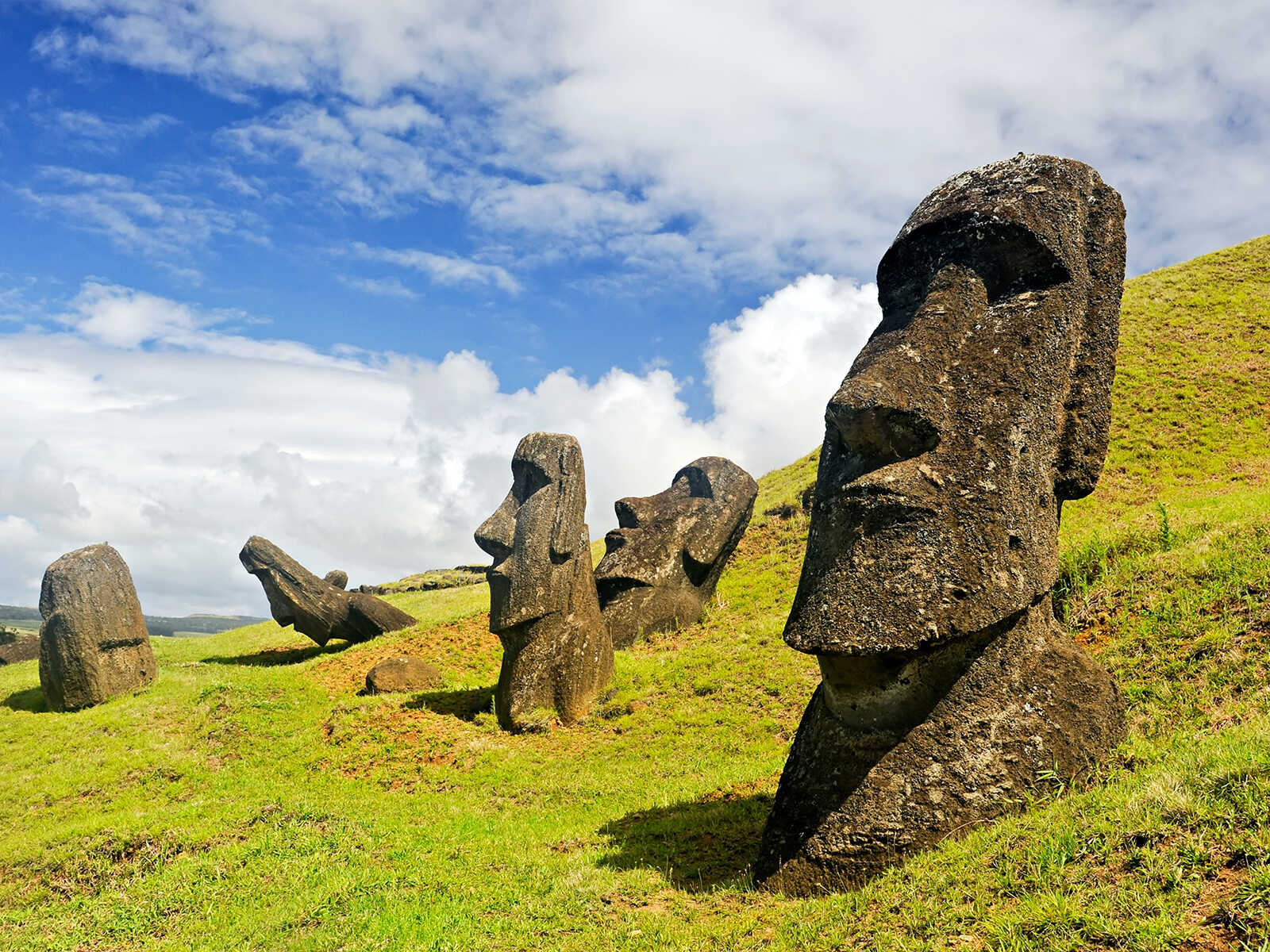
While the initial cost of travel insurance might seem like an extra expense, it pales in comparison to the potential costs of an uninsured incident abroad. Investing in the right policy allows you to truly relax and immerse yourself in the wonders of Chile, whether you're stargazing in the Elqui River valley, exploring the ancient statues of Anakena on Easter Island, or simply enjoying a pisco sour in Santiago, knowing you're protected against the unforeseen.
Protect your adventure. Protect your investment. Secure essential Chile travel insurance before you go.