
Easter Island (Rapa Nui) Guide: Moai, Beaches & Polynesian Heritage
Often described as the most isolated inhabited island on Earth, Rapa Nui, better known as Easter Island, is a place of profound mystery and breathtaking beauty. This remote Chilean territory in the Pacific Ocean captivates visitors with its iconic Moai statues, pristine beaches, and a rich Polynesian heritage that echoes through its dramatic landscapes.
Unveiling Rapa Nui: Where History Meets Horizon
Easter Island, or Rapa Nui in the native language, is a volcanic island located over 3,700 kilometers west of continental Chile. Designated a UNESCO World Heritage site, it is a living museum, offering a unique blend of ancient culture, stunning natural scenery, and an intriguing history of human ingenuity and environmental challenges. Its allure lies not only in its famous stone giants but also in the vibrant culture of its people, descendants of the Polynesian navigators who first settled here.
The Moai: Stone Guardians of the Island
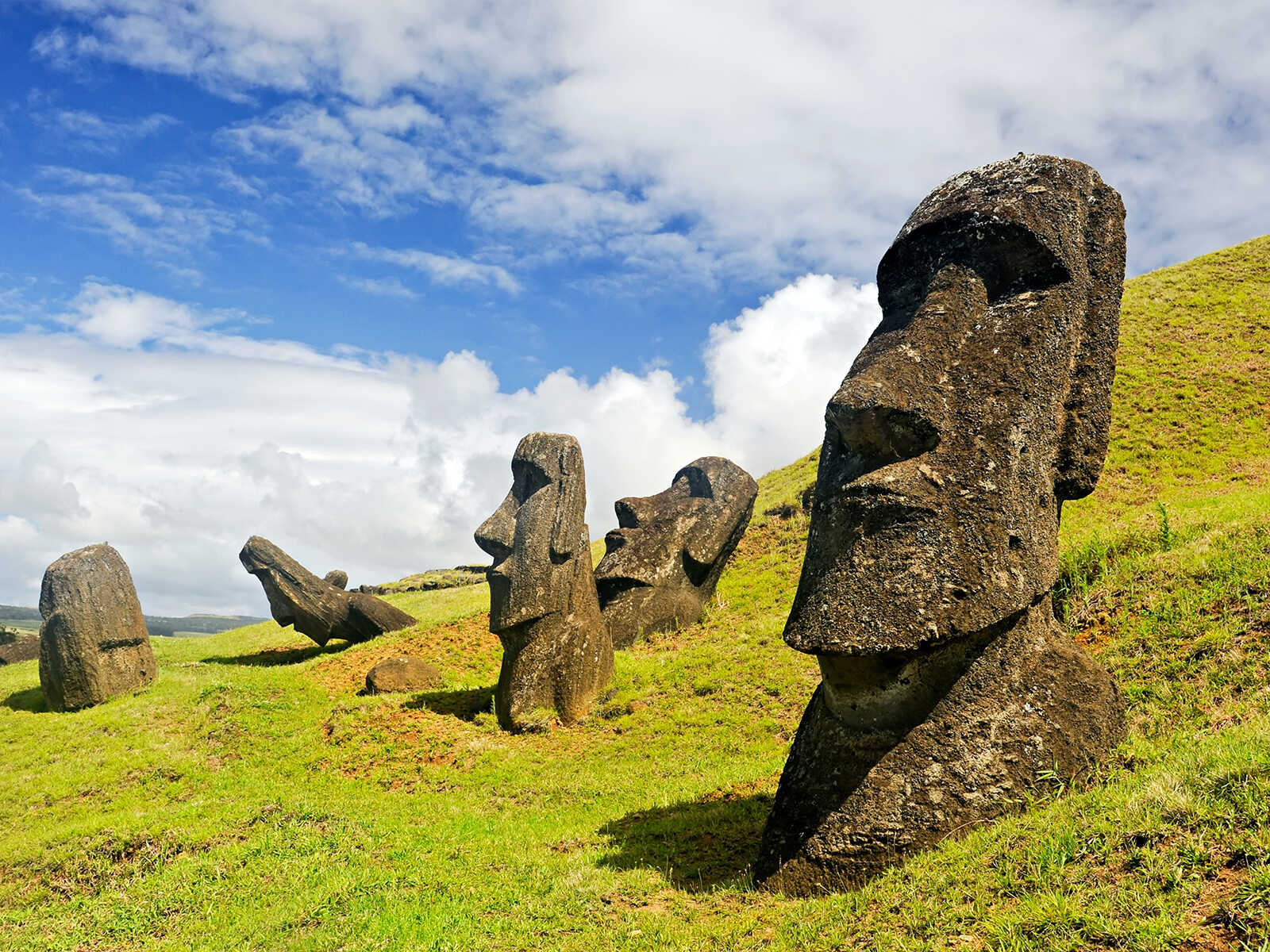
The monumental Moai statues are undoubtedly the most recognizable feature of Rapa Nui. These monolithic human figures, carved by the ancient Rapa Nui people, stand as silent sentinels across the island, embodying the spiritual and ancestral power of a bygone era. Each Moai represents a deified ancestor (aringa ora) or important lineage figure, believed to protect the community and bring prosperity.
Most Moai were carved from the volcanic tuff found at the quarry of Rano Raraku, a site often referred to as the "Moai factory." Here, hundreds of statues remain in various stages of completion, offering an incredible insight into the carving process. Once completed, these massive statues, some weighing over 80 tons, were somehow transported across the island and erected on ceremonial platforms calledahu. The methods used for moving and raising these giants remain a subject of ongoing archaeological debate and fascination.
Many Moai originally sported apukao– a distinctive red scoria topknot or headdress, quarried from Puna Pau. These cylindrical stones, resembling hats or elaborate hairstyles, added another layer of complexity and symbolism to the already impressive statues.
Key Moai Sites to Explore
- Ahu Tongariki:This is arguably the most iconic site on Rapa Nui, featuring 15 enormous Moai standing majestically in a row. It's a breathtaking sight, especially at sunrise, when the rising sun illuminates the statues.
- Rano Raraku:The quarry where almost all Moai were carved. Explore the slopes to find hundreds of statues, some partially buried, others lying as if abandoned mid-transport. It offers an unparalleled glimpse into the creation process.
- Ahu Tahai:A beautifully restored ceremonial complex near Hanga Roa, featuring three distinctahu. One Moai, Ko Te Riku, is unique for having eyes reconstructed, offering a rare look at how the statues might have appeared originally. It's also a popular spot for sunset viewing.
- Ahu Akivi:Distinctive for its seven Moai that face directly out to sea, a rare orientation, possibly representing the first Polynesian explorers arriving on the island.
- Orongo Ceremonial Village:Perched on the rim of the Rano Kau volcano, Orongo is a historic stone village associated with the Birdman cult (Tangata Manu), which replaced the Moai cult after the island's ecological decline.
Rapa Nui's Beaches: A Polynesian Paradise
Beyond the ancient stone figures, Easter Island also boasts serene, picturesque beaches that invite relaxation and offer a different perspective of its natural beauty. The island's volcanic origin means that most of its coastline is rocky, making the sandy beaches even more precious.
- Anakena Beach:This is the island's main and most famous beach, renowned for its soft white sand, crystal-clear turquoise waters, and swaying palm trees. It's not just a beautiful spot for swimming and sunbathing;Anakena also holds significant historical importance as the legendary landing site of Hotu Matu'a, the first king of Rapa Nui. The beach is flanked by twoahu, including Ahu Nau Nau with its Moai wearingpukao.
- Ovahe Beach:Located just a short distance from Anakena, Ovahe is a more secluded and intimate beach. It's known for its unique pinkish sand, formed from crushed coral and volcanic rock, and is nestled beneath dramatic red cliffs. Access can be a bit more challenging, adding to its untouched charm.
Delving into Polynesian Heritage
The story of Rapa Nui is deeply intertwined with its Polynesian roots. The island was first settled by Polynesian navigators, likely from the Marquesas Islands, who journeyed thousands of kilometers across the Pacific in large canoes. This incredible feat of exploration laid the foundation for the unique Rapa Nui culture.
The Rapa Nui people developed a distinct culture, language (Rapa Nui), and an intricate societal structure. Their art, beyond the Moai, includes intricate wood carvings, petroglyphs (rock carvings found at sites like Orongo), and a rich tradition of music and dance. The island's history, marked by periods of prosperity, environmental strain, and cultural shifts (such as the rise of the Birdman cult), is a testament to human adaptability and resilience.
"Rapa Nui is more than just an island with statues; it's a profound narrative of human ambition, cultural evolution, and the delicate balance between humanity and nature."
Today, the descendants of the original settlers actively preserve and celebrate their heritage through festivals, traditional ceremonies, and efforts to maintain their language and customs. Visitors have the opportunity to engage with this living culture, understanding the deep connection between the people and their ancestral land.
Planning Your Visit to Rapa Nui
A trip to Easter Island requires careful planning due to its remote location. Here’s what you need to know:
- Getting There:The only way to reach Rapa Nui is by air, with regular flights departing from Santiago, Chile. The flight duration is approximately 5-6 hours.
- Best Time to Visit:The shoulder seasons (March-May and September-November) offer pleasant weather, fewer crowds, and generally good conditions for exploring. The Tapati Rapa Nui festival in February is a vibrant celebration of Polynesian culture, but the island is busiest during this time.
- Getting Around:Renting a car or scooter is a popular way to explore the island at your own pace. Guided tours are also highly recommended, as they provide invaluable historical and cultural context for the sites. Bicycles are an option for fitter visitors.
- Accommodation:Most hotels, guesthouses, and cabins are located in Hanga Roa, the island's only town.
- National Park Access:The vast majority of the archaeological sites are within Rapa Nui National Park. A single entrance ticket is required and is valid for multiple days. It's important to respect all regulations, including staying on marked paths and not touching the Moai. Some sites, like Orongo and Rano Raraku, require you to visit with a local guide.
- Sustainable Tourism:Given the island's fragile ecosystem and cultural significance, practicing responsible tourism is crucial. Support local businesses, minimize your environmental impact, and respect local customs.
Beyond the Moai and Beaches: Other Attractions
While the Moai and beaches are primary draws, Rapa Nui offers more to explore:
- Hanga Roa:The charming main town provides a glimpse into local life. Visit its small but informative Father Sebastian Englert Anthropological Museum, browse local craft markets, and enjoy fresh seafood at restaurants overlooking the harbor.
- Rano Kau:This impressive extinct volcano features a massive crater filled with a freshwater lake, covered in floating reeds. The panoramic views from its rim, especially towards the Orongo village, are spectacular.
- Ana Kai Tangata:A sea cave known for its ancient rock paintings depicting Birdman figures and traditional canoes.
- Puna Pau:The small quarry where the red scoria used for the Moai'spukao(topknots) was extracted.
Easter Island is a destination that truly stands apart. Its blend of enigmatic history, stunning natural beauty, and vibrant Polynesian culture creates an unforgettable experience for every traveler. A journey to Rapa Nui is not just a vacation; it's an immersion into one of the world's most fascinating and remote treasures.