
Chilean Culture and Etiquette: A Traveler's Guide
Chile, a land of stunning diverse landscapes, from the arid Atacama Desert to the glacial fjords of Tierra del Fuego, offers an equally rich cultural tapestry. Understanding Chilean customs and etiquette is key to truly immersing yourself in this vibrant nation and connecting authentically with its warm, welcoming people. This guide will prepare you for a respectful and memorable journey through Chile's unique social landscape.
The Chilean People: Warmth and Formality
Chileans are generally known for their hospitality and pride in their country. While they might appear reserved at first glance, especially in comparison to some other Latin American cultures, they are incredibly warm and loyal once a connection is made. Respect for elders, family values, and a strong sense of community are deeply ingrained. Patience and a polite demeanor will always be appreciated.
Greetings and Social Interactions
Navigating social interactions in Chile begins with understanding their unique greeting customs, which vary depending on familiarity and context.
The Chilean Kiss (Beso) and Abrazo
One of the most distinctive Chilean greetings is thebeso, a single air-kiss on the right cheek. This is common between women, and between women and men, even upon first introduction in social settings. Men typically shake hands with other men, but close male friends and family may exchange anabrazo(a hug), sometimes accompanied by a pat on the back. Do not be surprised if a woman extends her cheek for a kiss even if you've just met – it's a sign of welcome, not intimacy.
Handshakes and Formalities
In more formal business settings or when meeting someone for the very first time in a professional context, a firm handshake is appropriate. When introduced, it's customary to use titles likeSeñor(Mr.),Señora(Mrs.), orSeñorita(Miss) followed by their surname, especially with older individuals or those in positions of authority. Waiting for them to invite you to use their first name is a sign of respect.
Politeness and Respectful Language
Politeness is highly valued. Always use "usted" (the formal 'you') when addressing strangers, elders, or professionals, unless invited to use "tú" (the informal 'you'). Simple phrases like"permiso"(excuse me/may I pass),"por favor"(please), and"gracias"(thank you) are essential. When entering or leaving a public space like a shop or restaurant, a simple"Hola"or"Chao"to those present is common courtesy.
Dining Etiquette: A Feast for the Senses
Chilean meals are social affairs, often enjoyed at a leisurely pace. Being aware of dining customs will enhance your culinary experiences, whether you're enjoying fresh seafood in Valparaíso or a traditionalcazuelain a mountain town.
Meal Times and Invitations
Chileans typically eat lunch between 1:00 PM and 3:00 PM, and dinner much later, often starting around 8:00 PM or 9:00 PM. If invited to someone's home, it's polite to arrive 10-15 minutes late, but not excessively so. Bringing a small gift, such as a bottle of wine or a dessert, is a thoughtful gesture. Wait to be seated and for the host to initiate the meal.
Table Manners
Keep both hands visible above the table, but don't rest your elbows on it. It's generally considered impolite to eat with your hands, even for foods like sandwiches – a knife and fork are often used. Always wait for everyone to be served before you begin eating. Toasts are common, and it's polite to make eye contact with everyone involved in the toast.
Travel Tip:When dining out, a service charge is often added to the bill, usually around 10%. While it's common practice to round up or add a small extra tip for excellent service, it's not strictly mandatory beyond the included charge.
Communication Styles: Reading Between the Lines
Chilean communication can sometimes be indirect, prioritizing harmony and avoiding direct confrontation. Understanding these nuances can prevent misunderstandings.
Directness vs. Indirectness
Chileans may use indirect language to convey a message, especially if it's negative or critical. They might soften a "no" or suggest alternatives rather than giving a blunt refusal. Listen carefully to the tone and subtle cues. Patience and understanding are key when navigating these conversations.
"Mañana" and Punctuality
While business meetings are generally punctual, social appointments can be more flexible. The concept of"mañana"(tomorrow) can sometimes extend to "sometime in the near future." Try to be patient and adapt to a slightly more relaxed sense of time in social settings. For tours or transport, however, punctuality is expected.
Personal Space
Chileans generally have a closer personal space than people from some Western cultures. Don't be surprised if people stand closer to you during conversations or if you experience more incidental physical contact in crowded places like markets or public transport.
"Modismos Chilenos"
Chilean Spanish is famous for its unique slang and rapid pace of speech, known as"modismos chilenos."While understanding them all can be a challenge, learning a few common phrases can be fun and show your effort to connect. Don't worry if you don't catch everything; most Chileans will appreciate your attempt to speak Spanish and will often try to help.
Dress Code: Adapting to the Environment
Chile's diverse climates mean your wardrobe will vary greatly depending on where you travel, but a general sense of neatness is always appropriate.
In cities like Santiago or Valparaíso, smart casual attire is common. Jeans are acceptable, but pairing them with a nice shirt or blouse will help you blend in. When visiting churches or formal establishments, modest clothing is advisable. For exploring natural wonders such as Torres del Paine National Park or the Elqui River valley, practical, layered outdoor gear is essential. Remember that even in the summer, evenings can be cool, especially in the south or at higher altitudes.
Cultural Nuances and Taboos
Being aware of sensitive topics and cultural norms can help you avoid unintentional offense and foster positive interactions.
Politics and History
Chile has a complex political history. While many Chileans are open to discussing their country's past, approach these topics with sensitivity and respect. Listen more than you speak, and avoid taking strong stances on issues you may not fully understand.
Indigenous Cultures
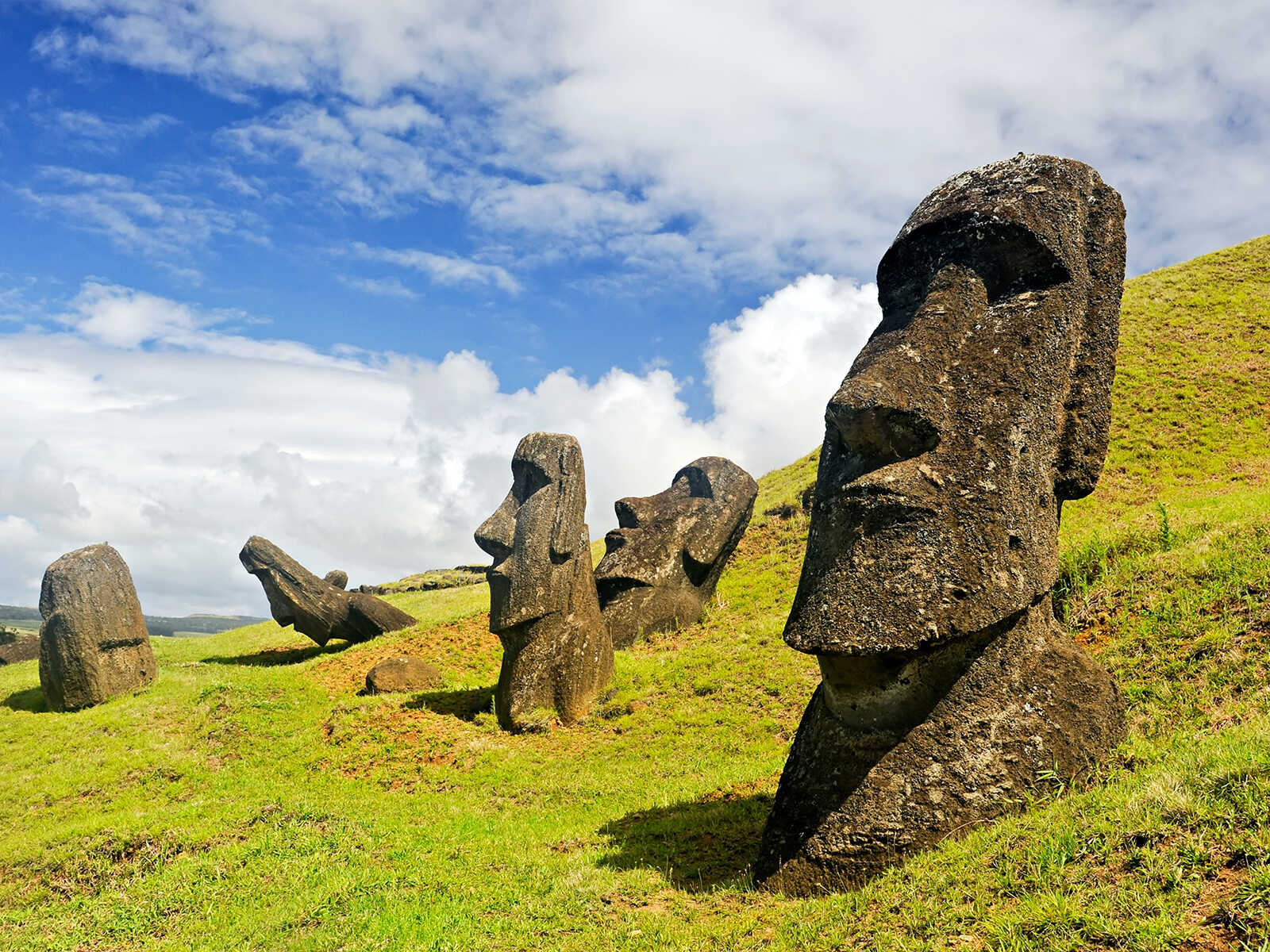
Chile is home to several indigenous groups, most notably the Mapuche in the south and the Rapa Nui people on Easter Island. Show respect for their cultures, traditions, and sacred sites. When visiting places like Ahu Tongariki or Rano Raraku, observe all posted rules and guidelines to preserve these invaluable heritage sites.
Photography
Always ask for permission before taking photos of people, especially in rural areas or of indigenous individuals. A simple gesture or"¿Puedo sacar una foto?"(May I take a photo?) is usually enough. Respect their decision if they decline.
Embracing Chilean Culture: Practical Tips
To make the most of your cultural immersion in Chile, consider these practical suggestions:
- Learn Basic Spanish:Even a few phrases will go a long way in showing respect and facilitating interactions.
- Be Open-Minded and Patient:Things may operate differently than you're used to. Embrace the differences as part of the adventure.
- Engage with Locals:Don't be afraid to strike up conversations. Chileans are generally happy to share insights about their country.
- Support Local Businesses:From artisan markets near Santa Lucía Hill to small eateries, supporting local vendors helps communities thrive.
- Respect the Environment:Whether you're hiking in a national park or exploring an urban green space like Cerro San Cristóbal, always dispose of waste properly and follow conservation guidelines.
By understanding and respecting Chilean culture and etiquette, you'll not only have a smoother trip but also gain a deeper appreciation for this extraordinary country and its people. Your journey through Chile will undoubtedly be enriched by these meaningful connections and experiences.