
Best Time to Visit Chile: A Seasonal Travel Guide
Chile, a ribbon of land stretching over 4,300 kilometers along South America's Pacific coast, boasts an incredible range of climates and landscapes. From the arid deserts of the north to the glacial fjords of Patagonia, choosing the best time to visit depends entirely on what you wish to experience.
Understanding Chile's Unique Geography
Chile's extreme length creates distinct climatic zones, making "best time" a relative term. The country is broadly divided into three main regions:
- The North (Atacama Desert to Santiago):Characterized by the world's driest desert, high-altitude plateaus, and a Mediterranean climate closer to Santiago.
- Central Chile (Santiago to Puerto Montt):Features a Mediterranean climate with warm, dry summers and mild, wet winters, ideal for vineyards and city exploration.
- The South (Patagonia & Tierra del Fuego):Dominated by temperate rainforests, lakes, glaciers, and a notoriously unpredictable Patagonian climate with cool summers and cold, wet winters.
Spring (September - November): The Awakening
As winter's chill recedes, Chile awakens in vibrant hues, offering pleasant temperatures and fewer crowds than the peak summer months. This shoulder season is an excellent choice for diverse itineraries.
Weather & Crowds
Temperatures are mild and comfortable across most of the country. The south begins to warm, making outdoor activities more appealing. Crowds are moderate, increasing towards November, especially around popular attractions.
Best Regions & Activities
- The North:The Atacama Desert offers comfortable daytime temperatures and incredible stargazing opportunities as skies clear. Keep an eye out for the rare phenomenon of the Desierto Florido(Flowering Desert), which occurs after significant rainfall, usually in late August to September, transforming parts of the usually barren landscape into a carpet of wildflowers.
- Central Chile:Santiago is delightful for exploring city parks like Cerro San Cristóbal and Santa Lucía Hill. The coastal city of Valparaíso also enjoys pleasant weather. This is a fantastic time for vineyard tours as the vines are lush and green.
- The South:Patagonia's hiking trails in destinations like Torres del Paine National Park begin to open up, and wildflowers start to bloom. While still cool, it's an excellent time for those who prefer fewer people on the trails.
Pros & Cons
- Pros:Mild weather, fewer crowds, blooming landscapes, good for diverse travel.
- Cons:Patagonia can still be chilly and wet, some remote areas may not be fully accessible until late spring.
Summer (December - February): Peak Season Sunshine
Chilean summer is the most popular time to visit, especially for outdoor adventures and exploring the far south. Expect warm weather, bustling attractions, and higher prices.
Weather & Crowds
Summer brings the warmest temperatures nationwide. The south, including Patagonia, experiences its most stable and warmest weather, though strong winds are common. This is peak tourist season, so expect larger crowds and book accommodations and tours well in advance.
Best Regions & Activities
- The South:This is prime time for hiking and trekking in Torres del Paine National Park, exploring the glaciers of San Rafael Glacier, or embarking on a road trip along the Carretera Austral. Lake District towns like Villarrica are popular for water sports and volcano climbing.Chiloé Island is also vibrant with its unique culture and colorful stilt houses.
- Central Chile:The beaches along the central coast are bustling, and cities like Santiago and Valparaíso are lively.
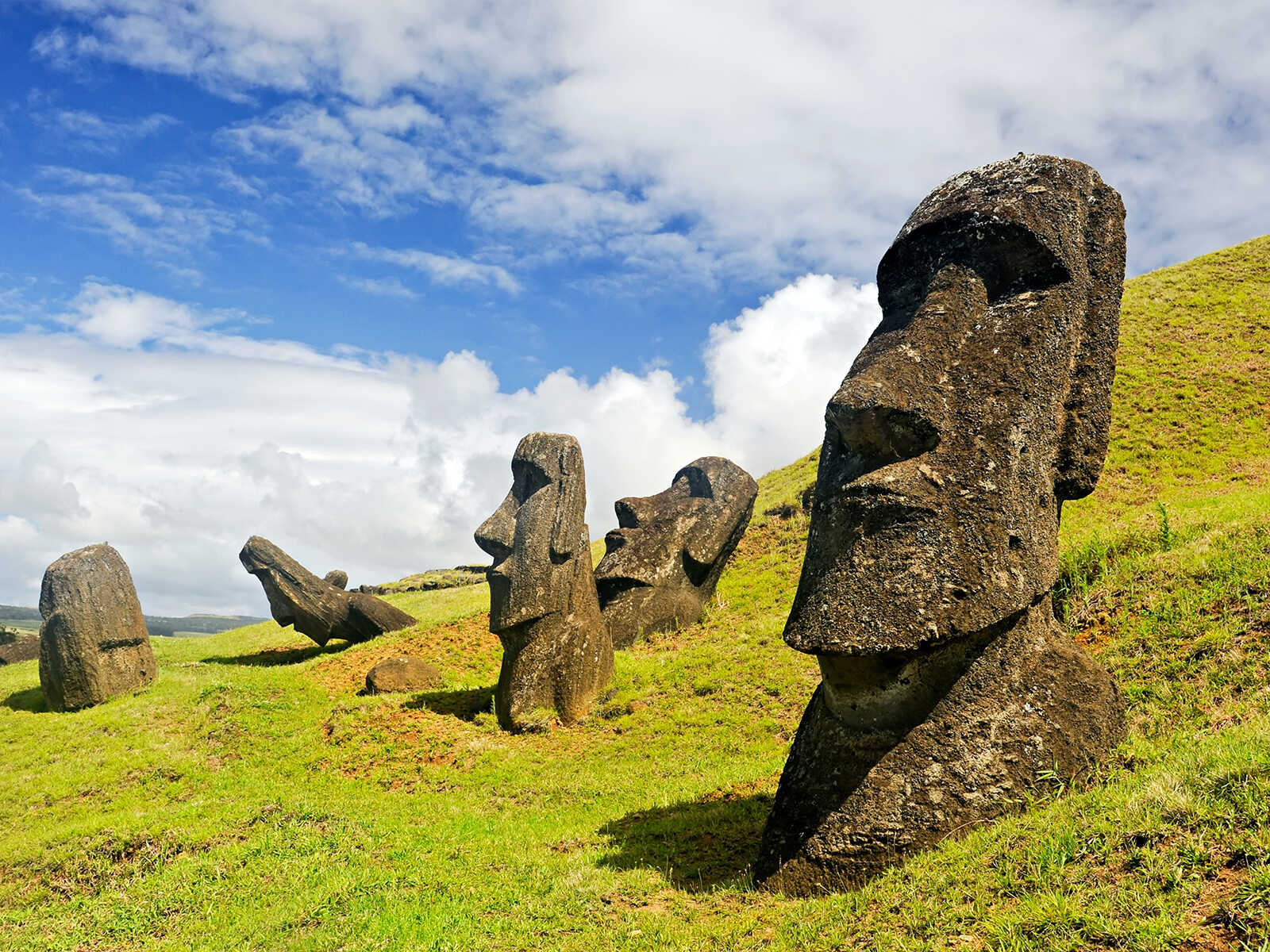
- Easter Island:The remote island, home to Ahu Tongariki,Rano Raraku, and the beautiful Anakena beach, is warm and ideal for exploration.
- The North:The Atacama Desert remains a fantastic destination, though daytime temperatures can be quite hot. Higher altitude parks like Lauca National Park are also accessible.
Traveler Tip:If planning a trip to Patagonia during summer, book flights, buses, and accommodation months in advance. Many popular treks require permits that sell out quickly.
Pros & Cons
- Pros:Best weather for Patagonia and outdoor activities, all regions accessible, vibrant atmosphere.
- Cons:Highest crowds, peak prices, need to book everything far in advance.
Autumn (March - May): Golden Hues & Harvests
Autumn in Chile offers a beautiful transition, with comfortable temperatures and dwindling crowds, making it another excellent shoulder season.
Weather & Crowds
Temperatures remain mild, especially in central Chile, and the landscapes transform with rich autumnal colors. Crowds thin out significantly after February, providing a more tranquil travel experience.
Best Regions & Activities
- Central Chile:This is a prime time for wine lovers, as the grape harvest (vendimia) takes place in March and April, with numerous festivals celebrating the season. The weather in Santiago and Valparaíso is superb for sightseeing.
- The South:Patagonia still offers good hiking opportunities, though the weather becomes more unpredictable towards May. The autumn foliage in places like Torres del Paine National Park is stunning.
- The North:The Atacama Desert and Valle de la Luna are excellent in autumn, with pleasant temperatures and clear skies for stargazing.
Pros & Cons
- Pros:Mild weather, beautiful autumn colors, fewer crowds, harvest festivals.
- Cons:Patagonia weather becomes less predictable, some services in remote areas may start to close down.
Winter (June - August): Snow & Solitude
Winter in Chile brings snow to the Andes and cooler temperatures, but it's a fantastic time for skiing, desert exploration, and experiencing a quieter side of the country.
Weather & Crowds
Central and southern Chile experience cold, wet weather, with heavy snowfall in the Andes. The north remains dry and mild. Crowds are generally low, except in popular ski resorts.
Best Regions & Activities
- Skiing:The Andes mountains near Santiago become a winter playground, with world-class ski resorts like Valle Nevado and Portillo. Even from the city, you can enjoy views of the snow-capped mountains from spots like Cerro San Cristóbal.
- The North:Winter is an ideal time to visit the Atacama Desert. Daytime temperatures are mild and pleasant, and the clear, cold nights offer some of the best stargazing conditions in the world, especially in the Elqui River valley, known for its observatories.
- Patagonia:While many parts are closed or difficult to access, some hardy travelers enjoy winter in Tierra del Fuego for wildlife viewing (penguins, guanacos) and a truly remote experience. The Marble Caves remain accessible by boat, offering a unique perspective in winter.
Pros & Cons
- Pros:Excellent for skiing, prime stargazing in the north, fewer tourists in most areas, unique winter experiences.
- Cons:Cold and wet in central and south, many trekking routes closed, limited access to some remote areas.
Special Considerations & Events
- Carnaval (February):The northern cities, particularly Arica, come alive with vibrant music, dance, and parades.
- Harvest Festivals (March/April):Celebrate the grape harvest in Chile's central wine valleys.
- Ski Season (June-September):Hit the slopes in the Andes.
- Desierto Florido(Flowering Desert):This incredible natural event, typically occurring every 3-7 years after unusually heavy winter rains, transforms the Atacama's coastal plains into a riot of color, usually between August and September. It's impossible to predict precisely, adding to its allure.
- Fiestas Patrias (September 18-19):Chile's Independence Day celebrations involve parades, traditional food, music, and dancing across the country. Book ahead if traveling during this period.
Making Your Decision: Key Takeaways
- For Patagonia & Trekking:December to February (Summer)offers the best weather and full accessibility, but expect crowds and higher costs.November and March (Shoulder Seasons)are good alternatives for fewer people.
- For the Atacama Desert & Stargazing:Year-roundis generally good, butWinter (June-August)offers clear skies and pleasant daytime temperatures, whileSpring (September-November)offers comfortable conditions.
- For Central Chile (Santiago, Valparaíso, Wine Valleys):Spring (September-November)andAutumn (March-May)provide the most pleasant weather for city exploration and wine tours, with fewer crowds than summer.
- For Skiing:Winter (June-September)is the only option.
- For a Balance of Everything:Spring (October-November)orAutumn (March-April)are often considered the best overall times, offering good weather across multiple regions and fewer tourists.
Chile's vastness means there's always an ideal time to visit some part of its extraordinary landscape. By considering your priorities and understanding the seasonal variations, you can plan an unforgettable adventure in this diverse South American gem.