
Basic Spanish Phrases for Chile: Communicate Like a Local
Venturing through Chile offers an unparalleled journey through diverse landscapes and vibrant culture. While many Chileans in tourist areas speak English, embracing a few key Spanish phrases will profoundly enrich your experience, opening doors to genuine local interactions and a deeper understanding of this incredible country.
Why Learn Chilean Spanish? It's More Than Just "Hola"
Chilean Spanish, often noted for its rapid pace, unique intonation, and extensive slang (known asChilenismos), can initially seem daunting. However, making an effort to speak even a little Spanish is deeply appreciated by locals. It shows respect for their culture and can lead to more authentic encounters, whether you're haggling for souvenirs in Valparaíso, asking for directions in Santiago, or simply ordering a coffee.
Beyond practicalities, speaking the local language helps you connect with the heart of Chile, from the bustling markets of the capital to the serene landscapes of Torres del Paine National Park. It transforms you from a mere observer into an engaged participant.
Essential Greetings and Introductions
Starting with a polite greeting is fundamental in any culture. In Chile, these simple phrases go a long way:
- Hola:Hello (most common)
- Buenos días:Good morning (until noon)
- Buenas tardes:Good afternoon (from noon until dusk)
- Buenas noches:Good evening/Good night (from dusk onwards)
- ¿Cómo estás?(informal) /¿Cómo está?(formal): How are you?
- Bien, gracias. ¿Y tú?(informal) /¿Y usted?(formal): Fine, thank you. And you?
- Me llamo [Your Name]:My name is [Your Name]
- Mucho gusto:Nice to meet you (often followed by a handshake or a kiss on the cheek for women)
- Por favor:Please
- Gracias:Thank you
- De nada:You're welcome
- Permiso / Con permiso:Excuse me (to pass by someone)
- Disculpa / Disculpe:Excuse me / Sorry (to get attention or apologize)
Chilean Tip:When addressing someone, especially an elder or someone you don't know well, use the formal "usted" form (e.g., ¿cómo está usted?) as a sign of respect. Among peers or younger people, "tú" is perfectly acceptable.
Navigating and Asking for Directions
Getting around Chile, whether by public transport or on foot, is much easier with a few navigational phrases. From exploring the vibrant murals of Valparaíso to finding your way to Cerro San Cristóbal in Santiago, these will be invaluable:
- ¿Dónde está [place]?Where is [place]? (e.g., ¿Dónde está el baño? - Where is the restroom?)
- ¿Cómo llego a [place]?How do I get to [place]? (e.g., ¿Cómo llego al Valle de la Luna?)
- ¿Está cerca/lejos?Is it close/far?
- A la izquierda:To the left
- A la derecha:To the right
- Todo recto / Derecho:Straight ahead
- La calle:The street
- La avenida:The avenue
- El bus / La micro:The bus (microis common Chilean slang for bus)
- El metro:The subway/metro
- Una cuadra:One block
- ¿Me puede ayudar?Can you help me?
When traveling long distances, perhaps along the Carretera Austral or to the remote Atacama Desert, understanding directions will be crucial.
Dining Out and Ordering Food
Chilean cuisine is a delightful mix of fresh seafood, empanadas, and hearty stews. Make the most of your culinary journey with these phrases:
- Tengo una reserva:I have a reservation
- Una mesa para dos, por favor:A table for two, please
- Quisiera [dish]:I would like [dish]
- ¿Me trae la carta/el menú?Can you bring me the menu?
- Soy vegetariano/a:I am vegetarian
- Soy alérgico/a a [allergy]:I am allergic to [allergy]
- ¿Qué recomienda?What do you recommend?
- La cuenta, por favor:The bill, please
- ¿Se puede pagar con tarjeta?Can I pay with a card?
- Con propina:With tip (tipping around 10% is customary)
Shopping and Bargaining (Politely)
Whether you're buying crafts from Chiloé Island or fresh produce, knowing these phrases will help:
- ¿Cuánto cuesta?How much does it cost?
- Es muy caro:It's very expensive
- ¿Tiene algo más barato?Do you have something cheaper?
- Quisiera comprar esto:I would like to buy this
- ¿Aceptan tarjeta de crédito?Do you accept credit cards?
- Efectivo:Cash
- ¿Me lo puede envolver?Can you wrap it for me?
Knowing basic numbers is also key:
- Uno:One
- Dos:Two
- Tres:Three
- Diez:Ten
- Cien:Hundred
- Mil:Thousand
Emergencies and Getting Help
While we hope you won't need these, it's vital to know how to ask for help in an emergency:
- ¡Ayuda!Help!
- ¡Socorro!Help! (more urgent)
- Necesito un médico:I need a doctor
- Estoy enfermo/a:I am sick
- Me siento mal:I feel bad
- ¿Hay un hospital cerca?Is there a hospital nearby?
- ¿Dónde está la farmacia más cercana?Where is the nearest pharmacy?
- ¡Llama a la policía!Call the police!
- Perdí mi pasaporte:I lost my passport
Unique Chilean Slang and Expressions (Chilenismos)
Chilean Spanish is famous for its unique slang. Learning a fewChilenismoswill not only impress locals but also help you understand everyday conversations. These are just a few examples:
- Cachai?:Do you understand? (Very common, derived from English "catch it?")
- Bacán:Cool, awesome
- Al tiro:Right away, immediately
- Wena:A very informal greeting, similar to "hey" or "what's up?"
- Po:A filler word, short for "pues," often added to the end of sentences for emphasis (e.g., "Sí, po" - Yes, of course)
- Fome:Boring, dull (e.g., "¡Qué fome!" - How boring!)
- Manejar:To drive (instead of the more common "conducir" in other Spanish-speaking countries)
- ¿Cómo andas?:How are you doing? (informal, very common)
- Luca:A thousand pesos (informal, e.g., "cien lucas" - 100,000 pesos)
Cultural Insight:Chilean Spanish is often characterized by dropping the 's' at the end of words and shortening words, which can make it sound very fast to an untrained ear. Don't be afraid to ask people to speak slower:"¿Puede hablar más lento, por favor?"
Tips for Practicing and Learning
The best way to learn is by doing! Here are some practical tips for your trip:
- Don't Be Afraid to Make Mistakes:Chileans are generally very welcoming and patient with visitors trying to speak their language.
- Listen Actively:Pay attention to how locals speak, their intonation, and common phrases. You'll pick up on things quickly, especially in places like the Elqui River valley where interactions are often more intimate.
- Carry a Phrasebook or Use an App:Having a quick reference can be a lifesaver when you're stuck.
- Engage with Locals:Order your food in Spanish, ask for directions, or simply try to make small talk. Even a few words can spark a friendly conversation.
- Watch Chilean TV/Movies:If you have time before or during your trip, immerse yourself in the language.
Conclusion
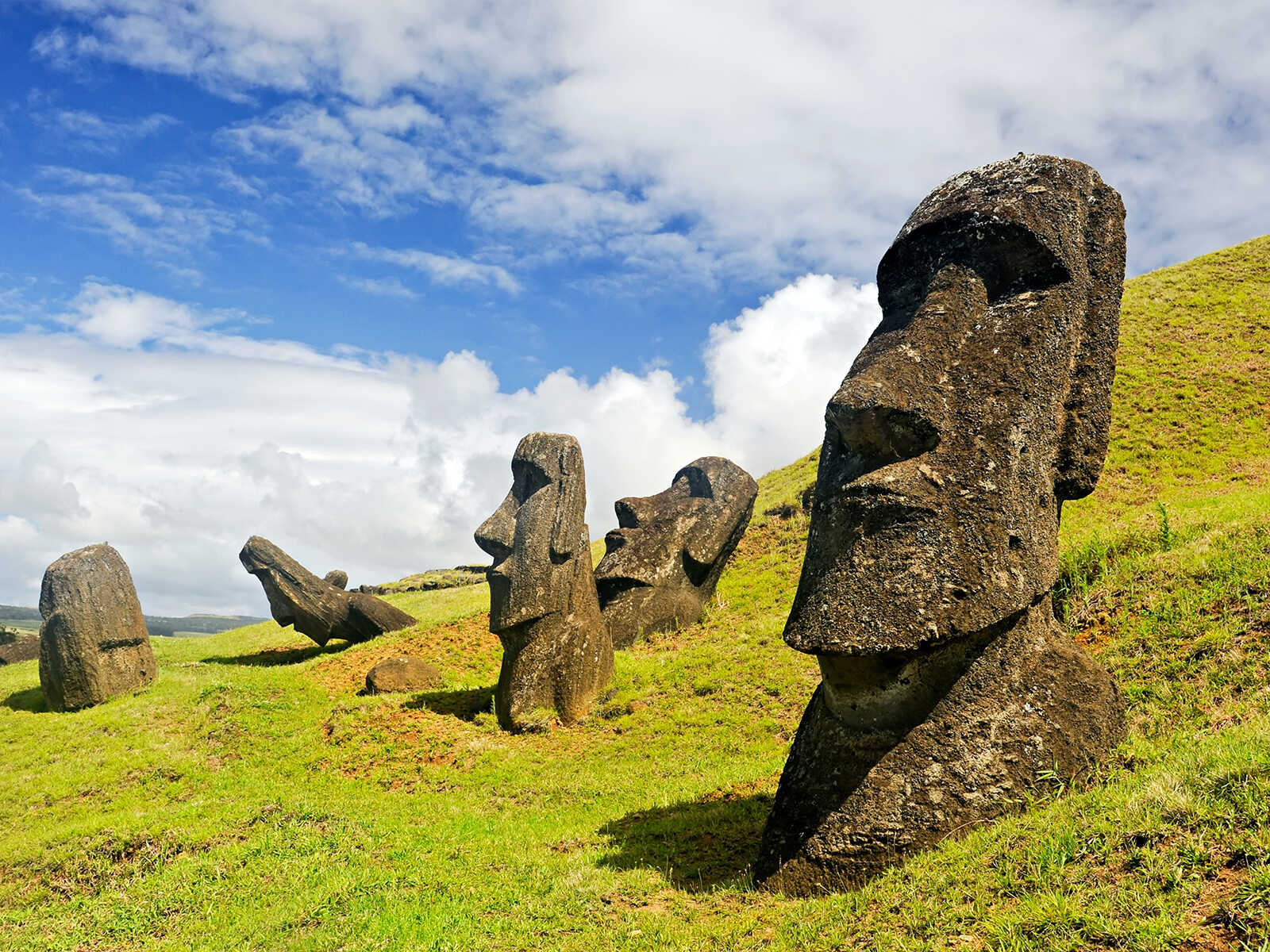
Learning basic Spanish phrases for Chile is more than just a convenience; it's an invitation to a richer, more authentic travel experience. From navigating the bustling streets of Santiago to marveling at the ancient moai of Ahu Tongariki on Easter Island, a little linguistic effort will open doors and create unforgettable memories. So, pack your bags, practice your "Hola," and get ready to communicate like a local in the stunning land of Chile!