
A Guide to Chile's National Parks: From Deserts to Glaciers
Chile, a ribbon of land stretching over 4,300 kilometers along South America's Pacific coast, boasts an unparalleled diversity of landscapes. Its extensive network of national parks protects everything from the world's driest desert to ancient glaciers, offering an incredible range of outdoor adventures and unique ecosystems to explore.
Embark on a journey through Chile's protected areas, where towering volcanoes meet crystalline lakes, and ancient forests give way to vast ice fields. Each region presents its own set of natural wonders, inviting travelers to discover the country's remarkable geographical spectrum.
The Arid North: High-Altitude Lakes and Lunar Landscapes
Northern Chile is defined by the stark beauty of the Atacama Desert, one of the driest places on Earth. While much of this region is characterized by vast expanses of sand and salt flats, its national parks protect unique high-altitude ecosystems and geological formations.
Lauca National Park
Nestled in the Andean altiplano near the border with Bolivia,Lauca National Park is a UNESCO Biosphere Reserve renowned for its dramatic landscapes and rich biodiversity. Here, visitors can marvel at Lake Chungará, one of the highest lakes in the world, flanked by the snow-capped Payachata volcanoes (Parinacota and Pomerape). The park is home to vicuñas, llamas, alpacas, and over 140 bird species, including flamingos and Andean geese, making it a paradise for wildlife photographers and nature enthusiasts.
Tip:Due to the extreme altitude at Lauca National Park (some areas exceed 4,500 meters or 14,700 feet), it's crucial to acclimatize properly. Consider spending a day or two in Arica or Putre before venturing to higher elevations.
Pan de Azúcar National Park
Further south along the coast, where the desert meets the Pacific, Pan de Azúcar National Park offers a different kind of arid beauty. This park is famous for its unique fog oases, known ascamanchacas, which sustain a surprising array of cacti and succulents. Guanacos roam freely, and a colony of Humboldt penguins can be observed on Pan de Azúcar Island, making it an excellent spot for coastal wildlife viewing.
While not a national park, the otherworldly landscapes of the Valle de la Luna(Moon Valley) and Valle de Marte (Mars Valley) near San Pedro de Atacama are often explored by visitors to the Atacama Desert. These reserves offer stunning sunset views over ancient salt and sand formations.
The Green Heart: Forests, Lakes, and Volcanoes
Moving south into Central and Southern Chile, the landscape dramatically transforms into lush temperate rainforests, a myriad of lakes, and the majestic peaks of the Andes, many of them active volcanoes.
Conguillío National Park
Known as "the Switzerland of Chile," Conguillío National Park is a jewel of the Araucanía Region. Dominated by the active Llaima Volcano and ancient araucaria (monkey puzzle) forests, some trees dating back over 1,800 years, the park offers stunning hiking trails, pristine lakes, and opportunities for skiing in winter. Its dramatic scenery, with lava fields contrasting against emerald lakes, is truly unforgettable.
Villarrica National Park
Centered around the iconic, snow-capped Villarrica Volcano, this park is a hub for adventure tourism. Visitors can embark on guided climbs to the summit of the constantly active volcano, offering breathtaking views and the chance to peer into its smoking crater. The park also features beautiful forests, hot springs, and other volcanoes like Quetrupillán and Lanín, providing ample opportunities for hiking, kayaking, and skiing near the popular towns of Pucón and Villarrica.
Chiloé National Park
Located on the western side of Chiloé Island, this park protects a unique ecosystem of coastal Valdivian rainforest. It's an excellent place to experience the mystical culture of the island alongside its natural beauty. Hiking trails lead through dense forests, past hidden waterfalls, and along rugged coastlines, offering glimpses of native wildlife and panoramic ocean views.
Patagonia's Grandeur: Glaciers, Mountains, and Fjords
Chilean Patagonia is a realm of unparalleled natural beauty, characterized by dramatic granite peaks, vast ice fields, and intricate fjords. This region is home to some of the world's most famous national parks.
Torres del Paine National Park
Undoubtedly Chile's most iconic national park,Torres del Paine National Park is a UNESCO Biosphere Reserve that draws adventurers from across the globe. Famous for its towering granite spires (the "Torres"), horn-shaped peaks (the "Cuernos"), massive glaciers like Grey Glacier, and vibrant turquoise lakes, the park offers world-class trekking routes like the "W" and "O" circuits. Wildlife abounds, with guanacos, pumas, foxes, and condors frequently sighted. Its raw, untamed beauty is a testament to Patagonia's wild spirit.
Laguna San Rafael National Park
Accessible primarily by boat from Puerto Chacabuco or through expeditions along the Carr Austral, Laguna San Rafael National Park is famed for the magnificent San Rafael Glacier, part of the Northern Patagonian Ice Field. Visitors can witness massive ice calvings as chunks of ancient ice break off and crash into the lagoon, a truly awe-inspiring spectacle. The surrounding fjords and channels are home to a diverse marine life, including seals and dolphins.
Bernardo O'Higgins National Park
Chile's largest national park, Bernardo O'Higgins stretches from Puerto Natales into the heart of the Southern Patagonian Ice Field. This remote wilderness is a land of towering glaciers, deep fjords, and dense subpolar forests. While largely inaccessible, it protects a pristine environment and is home to several significant glaciers, including Balmaceda and Serrano, which can be visited on boat tours.
Alberto de Agostini National Park
Located in the southernmost part of the Tierra del Fuego archipelago, Alberto de Agostini National Park is another vast expanse of Patagonian wilderness. It encompasses glaciers, mountains, and the rugged coastline of Tierra del Fuego. This park is a prime location for spotting marine wildlife, including sea lions, elephant seals, and various seabirds, making it a key stop for cruises exploring the Beagle Channel and its surroundings.
The Remote Outlier: Rapa Nui National Park
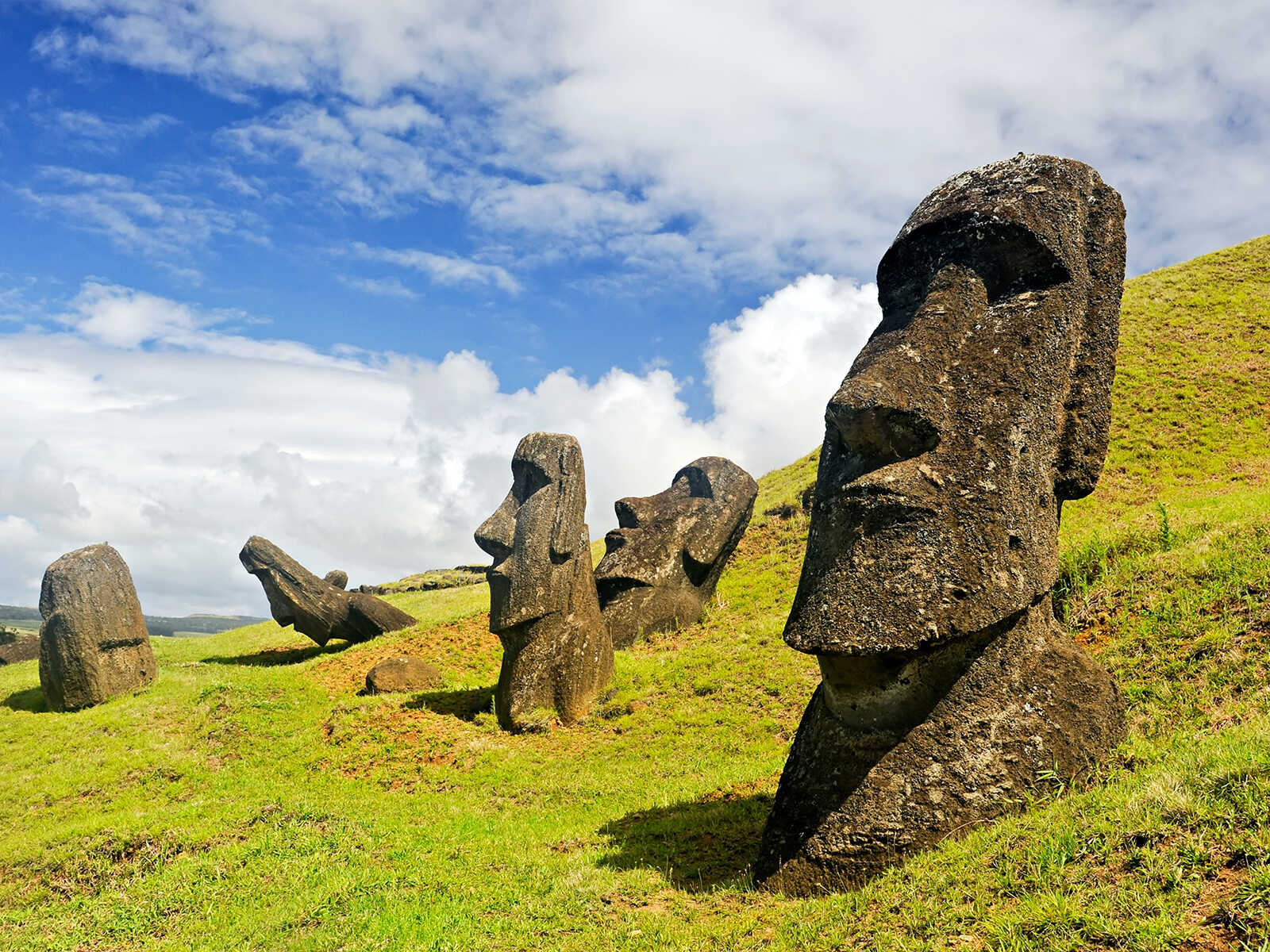
Far out in the Pacific Ocean, Easter Island (Rapa Nui) is home to Rapa Nui National Park, a UNESCO World Heritage site. This unique park protects the island's iconic moai statues and the archaeological sites that tell the story of a fascinating ancient civilization. Key sites include Rano Raraku, the quarry where the moai were carved, and Ahu Tongariki, with its impressive lineup of fifteen restored moai. Exploring this remote island offers a blend of cultural immersion and stunning coastal scenery.
Planning Your National Park Adventure
Chile's national parks offer year-round opportunities, but the best time to visit depends on the region:
- Northern Parks:Generally good year-round, but summer (December-March) can bring some rain to the altiplano.
- Central & Southern Parks:Spring (September-November) and summer (December-March) are ideal for hiking and outdoor activities. Autumn (April-May) offers beautiful fall foliage.
- Patagonian Parks:Summer (December-March) provides the warmest weather and longest daylight hours, though strong winds are common. Shoulder seasons (November, April) can offer fewer crowds.
Always check park regulations, as some require advance reservations or permits, especially for popular treks in Torres del Paine National Park. Pack layers of clothing, sturdy hiking boots, and sun protection regardless of the season. Remember to leave no trace, respecting the pristine environments and wildlife you encounter.
From the stark, high-altitude beauty of Lauca National Park to the glacial grandeur of Torres del Paine National Park, Chile's national parks are a testament to the country's incredible natural heritage. Each park offers a unique window into a different facet of this extraordinary nation, promising unforgettable experiences for every traveler.