
Vancouver vs Toronto: Which Canadian City Should You Visit?
Canada boasts two vibrant metropolises, Vancouver and Toronto, each offering a unique travel experience. Deciding between them depends largely on your travel style, interests, and what you hope to discover in a major Canadian city. Let's delve into what makes each destination shine, helping you choose your next adventure.Introducing Canada's Urban Giants
Vancouver, nestled on Canada's Pacific coast, is renowned for its breathtaking natural beauty, mild climate, and laid-back West Coast vibe. Toronto, on the other hand, stands as Canada's largest city and economic powerhouse, a bustling multicultural hub that embodies the diverse spirit of Central Canada. Both cities are gateways to incredible regional experiences, but their core identities are distinctly different.Climate and Weather
The weather is often a significant factor for travelers, and Vancouver and Toronto present contrasting climates.Vancouver: The Mild West Coast
Vancouver enjoys a temperate oceanic climate, characterized by mild, wet winters and warm, relatively dry summers. While rain is a frequent companion from October to April, rarely does the city experience extreme cold or heavy snowfall. Summers are typically pleasant, with average temperatures in the low to mid-20s Celsius, perfect for exploring the outdoors.
Toronto: Four Distinct Seasons
Toronto experiences a humid continental climate with four distinct seasons. Summers are hot and humid, often reaching into the high 20s and low 30s Celsius. Autumn brings crisp air and stunning fall foliage. Winters are cold with significant snowfall, making it a true winter wonderland for some, but requiring warm clothing. Spring is a welcome transition, with blossoming flowers and gradually warming temperatures.
Natural Beauty and Outdoor Activities
This is where the two cities truly diverge, appealing to different types of adventurers.Vancouver: Mountains, Ocean, and Rainforest
Vancouver's most striking feature is its stunning natural setting, with the Pacific Ocean to the west and the Coast Mountains to the north. Within minutes of downtown, you can hike, ski, or snowboard. Stanley Park, one of North America's largest urban parks, offers miles of seawall paths, ancient trees, and stunning views. Opportunities for outdoor pursuits are endless:
- Hiking & Biking:Explore trails in Lynn Canyon, Cypress Provincial Park, or take a day trip to areas around Cheakamus Lake or Watersprite Lake.
- Water Sports:Kayaking, paddleboarding, and sailing are popular in the Burrard Inlet and English Bay.
- Skiing & Snowboarding:World-class resorts like Whistler Blackcomb are just a short drive away, while local mountains offer convenient winter sports.
"Vancouver truly embodies the 'Sea to Sky' lifestyle, where urban sophistication meets raw wilderness at your doorstep."
The proximity to the Canadian Rockies also means that iconic destinations like Maligne Lake,Lake Louise, and the town of Golden are accessible for longer trips, showcasing British Columbia's diverse natural wonders.
Toronto: Lakefront and Parks
While Toronto doesn't boast mountains, it sits on the shores of Lake Ontario, offering its own brand of natural beauty. The Toronto Islands provide a car-free escape with beaches, parks, and skyline views. The city is also home to numerous ravines and parks, offering green spaces for recreation.
- Lake Ontario:Enjoy boat tours, ferry rides to the islands, or stroll along the waterfront.
- Urban Parks:High Park, Rouge National Urban Park, and the city's extensive ravine system provide trails and natural escapes.
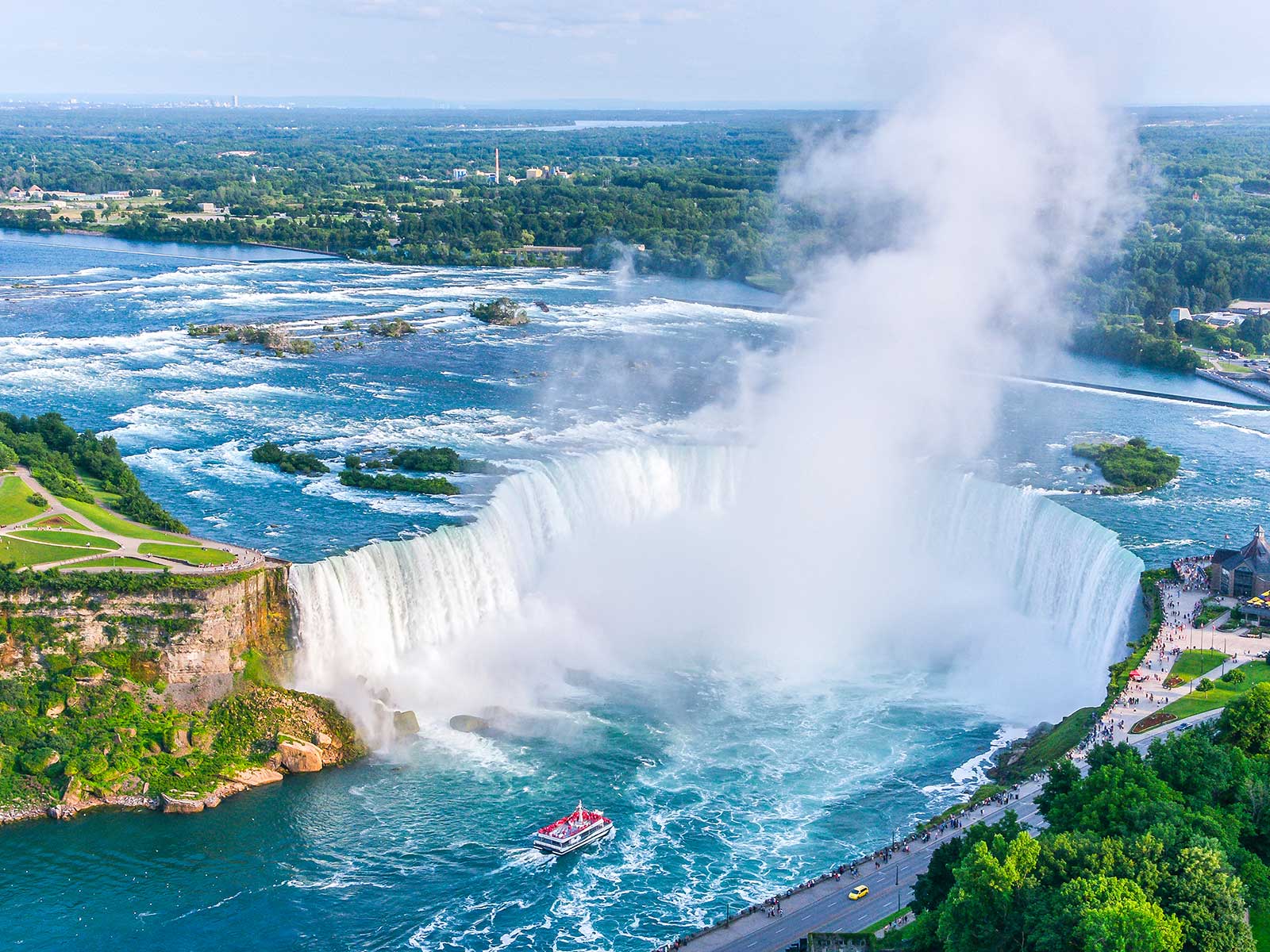
For more dramatic natural wonders, a day trip to Niagara Falls is a must, revealing one of the world's most famous waterfalls just a couple of hours away. Further afield, the Laurentian Mountains in Quebec offer beautiful fall foliage and winter sports for those willing to travel a bit further from the city.
Urban Experience and City Life
The vibe of each city centre is strikingly different.Vancouver: Modern and Health-Conscious
Vancouver has a modern, clean, and relatively relaxed atmosphere. Its downtown core is a forest of glass skyscrapers reflecting the surrounding mountains and water. The city is known for its active, health-conscious lifestyle, with an emphasis on outdoor living and sustainable practices. Neighborhoods like Gastown offer historic charm, while Granville Island provides a vibrant public market experience with artisan shops and fresh produce.
Toronto: Bustling and Multicultural
Toronto is a bustling, fast-paced global city. It's a true melting pot of cultures, evident in its diverse neighborhoods like Kensington Market, Little Italy, Chinatown, and Greektown. The city's skyline is dominated by impressive architecture, including the iconic CN Tower, which offers panoramic views of the city and Lake Ontario. Toronto's energy is palpable, with a constant buzz of activity, from street performers to vibrant festivals.
Food Scene and Culinary Delights
Both cities are culinary hotbeds, reflecting their diverse populations.Vancouver: Asian Influence and Fresh Seafood
Vancouver's food scene is heavily influenced by its strong Asian population, offering some of the best Chinese, Japanese, Korean, and Vietnamese cuisine outside of Asia. Fresh seafood is also a highlight, with local salmon, crab, and oysters readily available. The farm-to-table movement is strong here, emphasizing fresh, local ingredients.
Toronto: A Global Culinary Hub
Toronto's food scene is incredibly diverse, mirroring its multicultural fabric. You can find authentic cuisine from virtually every corner of the world, often concentrated in specific ethnic neighborhoods. From upscale dining to casual street food, Toronto caters to all tastes and budgets. It's a city where you can embark on a global culinary journey without ever leaving the metropolitan area.
Culture and Arts
While both cities have thriving arts scenes, their scale and focus differ.Vancouver: Film and Independent Arts
Vancouver is a major film production hub, often dubbed "Hollywood North." Its arts scene is vibrant but perhaps more decentralized, with numerous independent galleries, live music venues, and a strong performing arts community. Festivals celebrating film, jazz, and folk music are popular throughout the year.
Toronto: Major Institutions and Theater District
Toronto is Canada's cultural capital, boasting world-class museums like the Royal Ontario Museum (ROM) and the Art Gallery of Ontario (AGO). Its theater district is renowned, hosting Broadway shows and original Canadian productions. The city is a major center for music, fashion, and design, with a plethora of galleries, concert halls, and annual festivals covering everything from film (TIFF) to Caribbean culture (Caribana).
Accessibility and Transportation
Getting around in both cities is relatively straightforward.Vancouver: Walkable and SkyTrain
Vancouver's downtown core is very walkable, and its SkyTrain (Canada's largest automated rapid transit system) provides efficient access to most key areas, including the airport. Buses and Seabus ferries complement the network. The city's compact nature makes it easy to explore without a car.
Toronto: Extensive Public Transit
Toronto's public transit system, the TTC, is extensive, comprising subways, streetcars, and buses that cover the vast metropolitan area. While downtown Toronto is walkable, the city's sprawl often necessitates using public transit or ride-sharing for longer distances. Toronto Pearson International Airport (YYZ) is a major global hub, well-connected to the city center by rail and bus.
Day Trips and Nearby Attractions
Both cities serve as excellent bases for exploring their respective regions.From Vancouver:
- Whistler:A world-renowned ski resort and year-round adventure destination, just a scenic two-hour drive north.
- Victoria:The charming capital of British Columbia, located on Vancouver Island, accessible by ferry.
- Gulf Islands:Explore the laid-back, artistic communities of islands like Salt Spring Island.
- Fraser Valley Wine Region:Discover local wineries and agricultural bounty.
From Toronto:
- Niagara Falls and Niagara-on-the-Lake:Experience the majestic falls and the picturesque wine region.
- Muskoka:Known as "cottage country," offering beautiful lakes, forests, and outdoor activities.
- Prince Edward County:A burgeoning wine region with charming towns and beautiful beaches.
- Blue Mountain:A popular ski resort and four-season village in Collingwood.
Best Time to Visit
Vancouver:Late spring (May-June) and early fall (September-October) offer pleasant weather and fewer crowds. Summer (July-August) is ideal for outdoor activities but is peak tourist season. Winter is best for skiing enthusiasts.
Toronto:Late spring (May-June) and early fall (September-October) are arguably the best times, with comfortable temperatures and vibrant cultural events. Summer can be hot and humid, but the city comes alive with festivals. Winter offers festive holiday cheer and ice skating, but requires bundling up.
Which City Should You Visit?
Ultimately, the choice between Vancouver and Toronto depends on your travel priorities:
- Choose Vancouver if:You crave stunning natural landscapes, enjoy outdoor activities like hiking, skiing, or water sports, prefer a more relaxed pace, appreciate Asian-influenced cuisine and fresh seafood, and don't mind a bit of rain.
- Choose Toronto if:You're drawn to a bustling, diverse urban environment, seek world-class museums, theater, and nightlife, love exploring a truly multicultural culinary scene, enjoy distinct seasonal changes, and thrive in a fast-paced, energetic atmosphere.
Both cities offer an authentic taste of Canada, showcasing different facets of this vast and welcoming country. Whichever you choose, you're guaranteed an unforgettable Canadian adventure.