
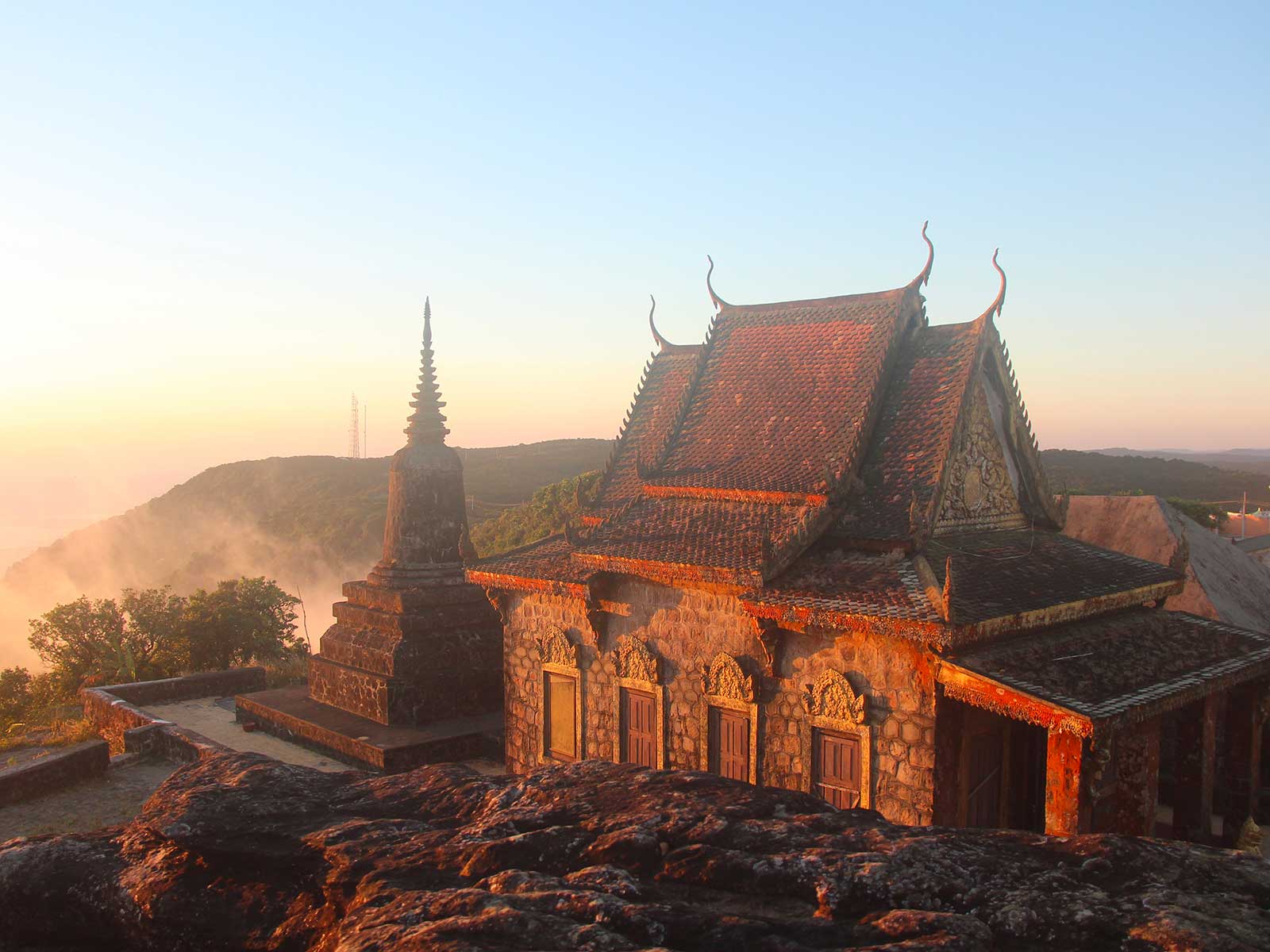
The Best Time to Visit Cambodia: Weather, Crowds, and Festivals
Cambodia, a land of ancient wonders and vibrant culture, beckons travelers with its timeless charm. While this Southeast Asian gem is a captivating destination year-round, understanding its distinct seasons can significantly enhance your travel experience, whether you're chasing sunshine, seeking solitude, or diving into local festivities.
Cambodia's Climate: A Tale of Two Seasons
Cambodia experiences a tropical monsoon climate, characterized by two primary seasons: the dry season and the wet (or rainy) season. Each brings its own unique advantages and considerations for visitors.
The Dry Season: Sunshine, Festivities, and Peak Crowds (November to May)
Generally considered the most popular time to visit, the dry season offers abundant sunshine and lower humidity, making it ideal for exploring Cambodia's vast historical and natural landscapes.
Cool & Dry Sub-Season (November to February)
This period is often hailed as the "best" time due to its comfortable temperatures and minimal rainfall. After the monsoon rains, the landscape remains lush and green, but the air is crisp and clear, perfect for sightseeing.
- Weather:Expect average temperatures ranging from 20°C to 30°C (68°F to 86°F), with low humidity and plenty of sunshine. Nights can be pleasantly cool, especially in the northern regions.
- Crowds:This is peak tourist season. Major attractions like Angkor Wat will be bustling, and popular beach destinations can get crowded. Accommodation and flights may be in higher demand, so booking in advance is advisable.
- Activities:
- Exploring Temples:The pleasant weather is perfect for days spent wandering the magnificent temples of Angkor Wat,Prasat Preah Vihear, and other ancient sites.
- Beach Getaways:The southern coast and islands, such as Sihanoukville,Koh Rong Sanleom,Kep, and Kampot, enjoy calm seas and sunny skies, ideal for swimming, snorkeling, and diving.
- Outdoor Adventures:Trekking in areas like the Cardamom Mountains or exploring the countryside around Krong Battambang is enjoyable.
- Festivals:
- Bon Om Touk (Water Festival - November):A spectacular event celebrating the reversal of the Tonlé Sap River's flow, marked by dragon boat races on the Tonlé Sap Lake and fireworks, primarily celebrated in Phnom Penh. Dates vary annually based on the lunar calendar.
- Victory Day (January 7):A national holiday commemorating the end of the Khmer Rouge regime.
Hot & Dry Sub-Season (March to May)
As the dry season progresses, temperatures steadily rise, making these months considerably hotter. While still dry, the heat can be intense.
- Weather:Temperatures frequently soar above 35°C (95°F), sometimes reaching 40°C (104°F). Humidity remains relatively low, but the sun is strong.
- Crowds:Tourist numbers begin to dwindle slightly compared to the cooler months, offering a more relaxed experience at popular sites, especially towards May.
- Activities:
- Early Morning Exploration:Start your sightseeing early to beat the midday heat. Many temples offer shade, but hydration is key.
- Water Activities:Seek refuge from the heat by spending more time by hotel pools, at the beach, or enjoying boat trips.
- Indoor Attractions:Explore museums and galleries in cities like Phnom Penh during the hottest parts of the day.
- Festivals:
- Khmer New Year (Chaul Chnam Thmey - April):The most important holiday in Cambodia, celebrated for three days with traditional games, family gatherings, and temple visits. Expect widespread closures of businesses and heavy domestic travel.
- Royal Ploughing Ceremony (May):An ancient royal ceremony marking the beginning of the rice-growing season, often held near Phnom Penh.
Tip:During the hot season, pack light, breathable clothing, a wide-brimmed hat, sunglasses, and high-factor sunscreen. Stay hydrated by drinking plenty of water.
The Wet Season: Lush Landscapes, Fewer Crowds, and Vitality (May to October)
The wet season, often referred to as the "green season," sees Cambodia's landscapes transform into a vibrant, emerald paradise. While there are daily downpours, they rarely last all day, and the advantages often outweigh the inconveniences.
Rainy & Lush Sub-Season (June to October)
This period brings cooler temperatures, higher humidity, and regular rainfall, which rejuvenates the land and fills the rivers and lakes.
- Weather:Temperatures drop to a more comfortable range of 25°C to 30°C (77°F to 86°F). Expect afternoon downpours, often heavy but relatively short-lived. Mornings are often clear and sunny.
- Crowds:This is the low season for tourism, meaning significantly fewer crowds at major attractions. You'll enjoy a more tranquil experience and potentially better deals on accommodation and tours.
- Activities:
- Photography:The lush greenery, dramatic skies, and reflecting pools at Angkor Wat offer stunning photographic opportunities.
- Tonlé Sap Lake Exploration:The lake is at its fullest, making boat trips to floating villages and bird sanctuaries particularly rewarding.
- Waterfalls & Rivers:Waterfalls in regions like Mondulkiri are at their most impressive, and river journeys, such as those along the Mekong near Kratie for dolphin spotting, are excellent.
- Eco-Tourism:The Cardamom Mountains are incredibly vibrant, though trekking can be muddier.
- Festivals:
- Pchum Ben (Ancestors' Day - September/October):An important Buddhist festival where Cambodians pay respects to their ancestors. Expect busy temples and a deeply spiritual atmosphere. Dates vary annually.
Fun Fact:During the wet season, the Tonlé Sap Lake can expand up to five times its dry season size, becoming the largest freshwater lake in Southeast Asia and a vital ecosystem.
Regional Variations
While the general climate patterns hold true across Cambodia, there can be slight regional differences:
- Coastal Areas:Places like Kep and Sihanoukville may experience slightly heavier or more prolonged rain during the wet season, but also enjoy sea breezes during the hot season.
- Mountainous Regions:The Cardamom Mountains and Mondulkiri can be cooler year-round, with increased rainfall during the monsoon.
Planning Your Cambodian Adventure
Ultimately, the "best" time to visit Cambodia depends on your priorities:
- For ideal weather and classic sightseeing:Aim for the cool, dry months ofNovember to February. Be prepared for crowds.
- For budget-conscious travelers and lush landscapes:Thewet season (June to October)offers excellent value and a unique perspective on the country's natural beauty.
- For cultural immersion and vibrant festivals:ConsiderAprilfor Khmer New Year, orNovemberfor Bon Om Touk, but be aware of the heat or crowds respectively.
No matter when you decide to go, Cambodia promises an unforgettable journey. Pack accordingly, stay flexible with your plans, and embrace the magic of this resilient nation.