
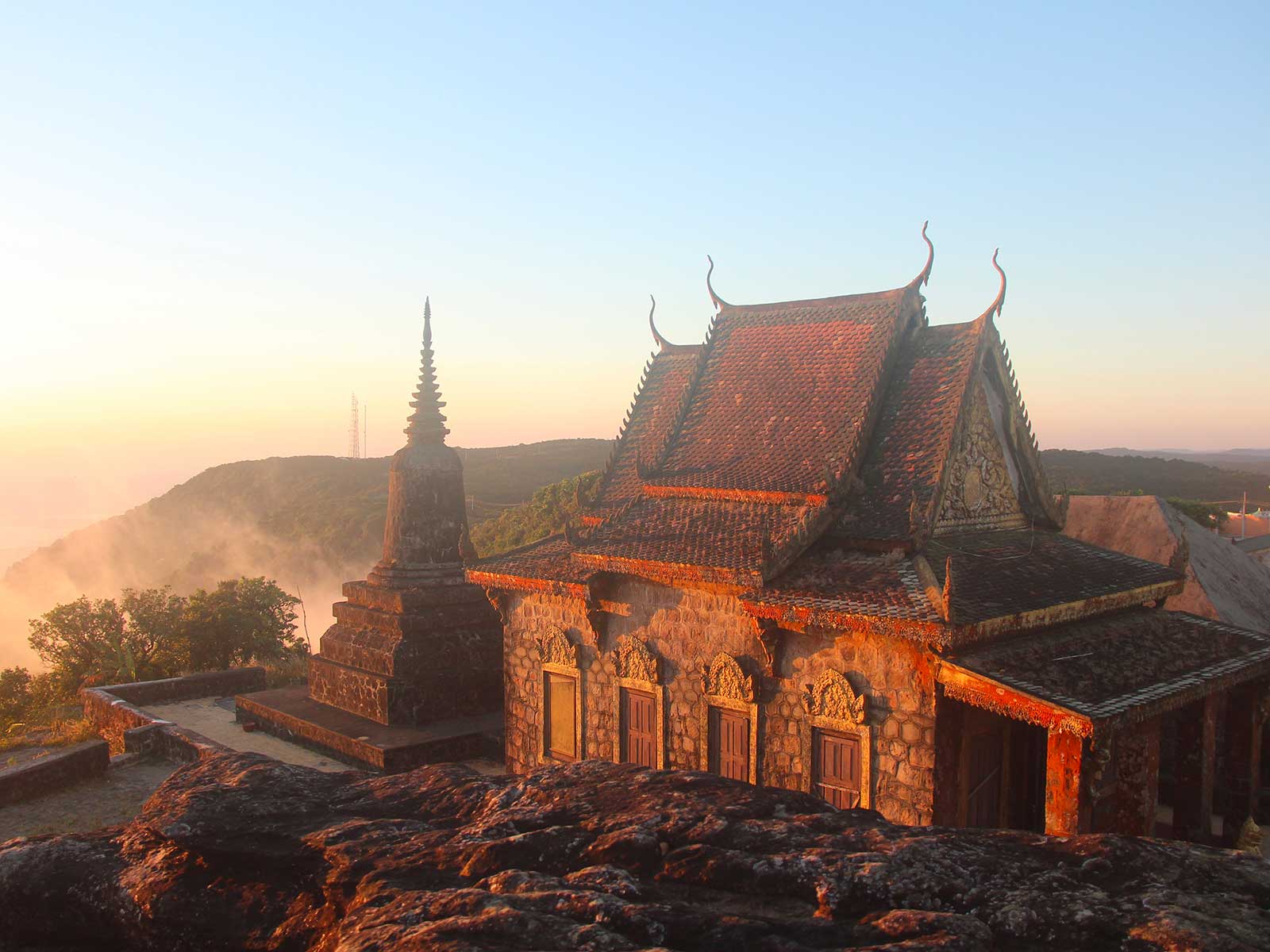
Siem Reap Travel Guide: Gateway to Angkor Wat's Ancient Wonders
Siem Reap, Cambodia, is more than just a gateway; it's a vibrant town brimming with culture, history, and a modern buzz, serving as the essential base for exploring the magnificent temples of Angkor. Prepare to be captivated by ancient Khmer architecture and immersed in the heart of Cambodian heritage.
Why Visit Siem Reap?
While the primary draw is undoubtedly the UNESCO World Heritage-listed Angkor Wat and its surrounding temple complex, Siem Reap itself offers a rich tapestry of experiences. Beyond the awe-inspiring ruins, you'll discover bustling markets, exquisite dining, lively nightlife, serene rice paddies, and a burgeoning arts scene. It's a destination that beautifully blends the ancient with the contemporary, ensuring every traveler finds something to cherish.
Getting to Siem Reap
Reaching Siem Reap is straightforward, with several convenient options depending on your starting point and budget.
By Air
Siem Reap International Airport (REP) is well-connected with direct flights from major regional hubs like Bangkok, Kuala Lumpur, Singapore, and Ho Chi Minh City, as well as domestic flights from Phnom Penh. This is the quickest and most comfortable way to arrive for most international visitors.
By Bus or Van
Overland travel is a popular and economical choice for those already in Cambodia or neighboring countries. Regular bus and minivan services connect Siem Reap with Phnom Penh(around 5-7 hours),Battambang(3-4 hours), and other major Cambodian towns. Choose reputable companies for safety and comfort.
By Boat
During the wet season (roughly May to October), a scenic boat trip across Tonlé Sap Lake from Battambang or Phnom Penh to Siem Reap offers a unique perspective of rural Cambodian life. This journey can be slower and depends heavily on water levels, but it's an unforgettable experience.
Exploring the Angkor Archaeological Park
The vast Angkor Archaeological Park is the undisputed highlight of any Siem Reap visit. To truly appreciate its grandeur, plan for at least 2-3 full days of exploration. Pass options typically include 1-day, 3-day, and 7-day passes.
Angkor Wat: The Icon
The magnificent Angkor Wat is the most famous and best-preserved temple within the complex, renowned for its stunning bas-reliefs, intricate carvings, and majestic towers. Witnessing the sunrise over its iconic silhouette is an almost spiritual experience that draws crowds daily. Arrive early to secure a good spot and soak in the magical atmosphere.
Angkor Thom & Bayon
The ancient walled city ofAngkor Thomhouses several significant temples. At its heart lies the enigmaticBayon Temple, famous for its more than 200 colossal smiling faces carved into its towers. Exploring its maze-like corridors and intricate galleries is a journey into a bygone era.
Ta Prohm: The "Tomb Raider" Temple
Often referred to as the "Tomb Raider" temple due to its appearance in the movie,Ta Prohmis deliberately left largely unrestored, with gigantic tree roots intertwining with ancient stone blocks. This creates a breathtaking, almost surreal atmosphere, showcasing nature's relentless power over man-made structures.
Beyond the Big Three
Don't limit your visit to just the most famous sites. The park is home to hundreds of temples, each with its unique charm:
- Banteay Srei:Known as the "Citadel of Women," this smaller temple boasts exceptionally intricate pink sandstone carvings, considered among the finest examples of Khmer art.
- Preah Khan:A sprawling monastic complex, similar in feel to Ta Prohm with trees growing through its ruins, but featuring a unique cruciform plan.
- Neak Pean:A unique island temple set in the middle of a large artificial pool, originally designed for healing purposes.
- Srei Temple:A more remote and less-visited site offering a peaceful exploration experience.
Practical Tips for Visiting Angkor
- Transport:The most common way to navigate the park is by tuk-tuk, hiring a driver for the day (or multiple days). Bicycles are also an option for fitter visitors, or consider an air-conditioned car for comfort.
- Dress Code:Remember that Angkor temples are sacred sites. Dress respectfully, covering your shoulders and knees. This is particularly important for climbing to the upper levels of Angkor Wat.
- Hydration:Cambodia's tropical climate means it can get very hot. Carry plenty of water and stay hydrated.
- Guides:Consider hiring a licensed guide for at least one day. Their insights into the history, mythology, and architecture will significantly enrich your experience.
Fun Fact:Angkor Wat is the only national flag in the world to feature a building. Its iconic silhouette has represented Cambodia since the mid-19th century.
Beyond the Temples: Siem Reap Town
Siem Reap town offers a vibrant counterpoint to the ancient serenity of Angkor, with plenty to explore once you've had your fill of temples.
Pub Street & Night Market
For lively evenings, head toPub Street, a bustling hub of restaurants, bars, and clubs. Nearby, theAngkor Night MarketandSiem Reap Art Center Night Marketoffer a fantastic opportunity to browse for souvenirs, local handicrafts, and enjoy street food.
Old Market (Psar Chas)
During the day, the Old Market is a fascinating glimpse into local life, selling everything from fresh produce and spices to clothing and jewelry. It's a great spot for people-watching and experiencing authentic Cambodian commerce.
Cultural Experiences
Immerse yourself in Cambodian culture by attending an Apsara dance performance, a traditional Khmer ballet. Many restaurants offer dinner shows. Alternatively, take a Cambodian cooking class to learn the secrets of local cuisine.
Museums & Galleries
TheAngkor National Museumprovides an excellent introduction to Khmer civilization and the history of Angkor before you visit the temples. Several smaller galleries showcase contemporary Cambodian art.
Exploring the Countryside
Take a boat trip to one of the floating villages on Tonlé Sap Lake, Southeast Asia's largest freshwater lake, to witness a unique way of life. Alternatively, visit a local silk farm or discover the Cambodian Landmine Museum for a poignant insight into the country's recent history.
Day Trips from Siem Reap
If you have extra time, several fascinating sites are accessible as day trips from Siem Reap, offering a different perspective on Cambodia's heritage.
Beng Mealea
About 60 km east of Siem Reap,Beng Mealeais a largely unrestored jungle temple, similar in style to Angkor Wat but swallowed by nature. It offers a truly adventurous exploration experience, with wooden walkways allowing access over collapsed ruins.
Koh Ker & Prasat Preah Vihear
For the truly dedicated explorer, a longer day trip can take you toKoh Ker, a former capital of the Khmer Empire with a unique pyramid temple, and even further north to the dramatic cliff-top temple of Prasat Preah Vihear, an impressive UNESCO site with breathtaking views, though this requires an early start and longer travel time.
Phnom Kulen National Park
Combine nature and culture with a trip toPhnom Kulen National Park. Here you can find a reclining Buddha statue, a sacred waterfall perfect for a refreshing dip, and ancient riverbed carvings known as the "River of a Thousand Lingas."
When to Visit Siem Reap
The best time to visit Siem Reap is during the dry season, fromNovember to March, when temperatures are cooler and humidity is lower. This is also peak tourist season. The shoulder months of April/May and October/November can still be pleasant, though hotter. The wet season (June to September) brings lush greenery and fewer crowds, but also higher humidity and occasional heavy downpours, which can make some roads difficult.
Accommodation and Getting Around Siem Reap
Siem Reap offers an extensive range of accommodation, from budget-friendly guesthouses and hostels to luxurious boutique hotels and resorts with stunning pools. The town is relatively compact, making it easy to get around. Tuk-tuks are ubiquitous and affordable for short rides around town or full-day temple tours. Metered taxis are also available, and many hotels offer bicycle rentals for local exploration.
Essential Travel Tips
- Visa:Most nationalities require a visa for Cambodia. You can obtain one on arrival, online (e-visa), or in advance from a Cambodian embassy.
- Currency:The official currency is the Cambodian Riel (KHR), but the US Dollar (USD) is widely accepted and often preferred for larger transactions. It's useful to have small USD denominations.
- Language:The official language is Khmer. While English is widely spoken in tourist areas, learning a few basic Khmer phrases like "Sok Sabay" (hello/how are you) and "Arkoun" (thank you) is always appreciated.
- Etiquette:Be mindful of local customs. Remove your shoes before entering temples or homes, dress modestly, and avoid public displays of affection.
- Health & Safety:Consult your doctor about recommended vaccinations. Be aware of street crime, especially at night, and always keep an eye on your belongings.
Siem Reap is a destination that promises adventure, enlightenment, and unforgettable memories. From the ancient wonders of Angkor Wat to the vibrant energy of the town, it's a place where history comes alive and culture thrives, inviting travelers to delve deep into the heart of Cambodia.