
Prasat Preah Vihear Temple Guide: History, How to Visit, and Importance
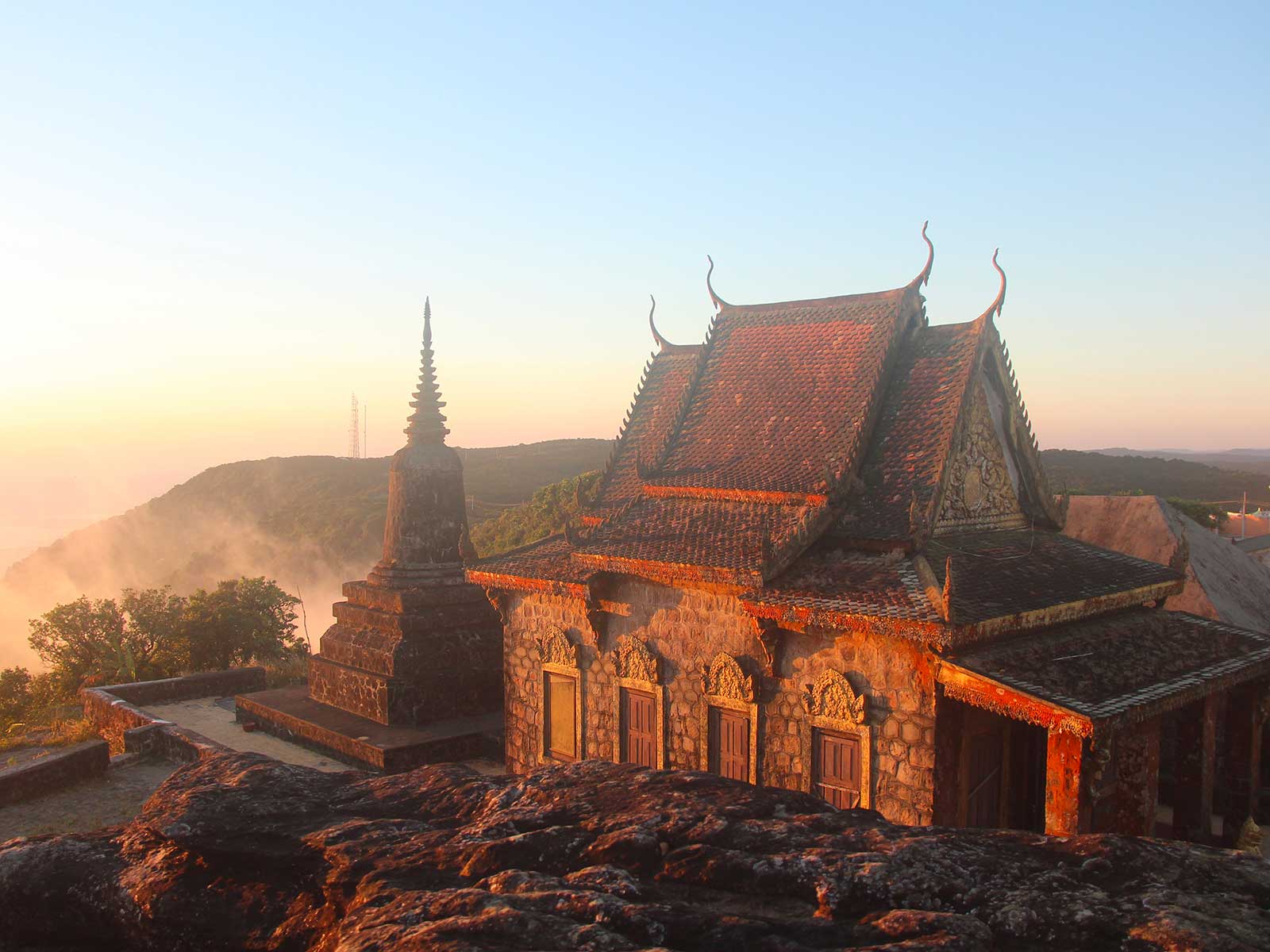
Perched dramatically atop a 525-meter cliff in the Dângrêk Mountains, Prasat Preah Vihear stands as a breathtaking testament to ancient Khmer architecture and devotion. This UNESCO World Heritage site offers not only profound historical insights but also unparalleled panoramic views across the Cambodian plains.
Far from the bustling crowds of Angkor Wat, Preah Vihear provides a more serene and reflective experience, inviting visitors to delve into a rich past steeped in spiritual and geopolitical significance. Its unique location and intricate design make it a truly unforgettable destination for any traveler exploring Cambodia's diverse cultural landscape.
A Glimpse into History: The Enduring Legacy of Prasat Preah Vihear
The history of Prasat Preah Vihear spans several centuries, with its origins tracing back to the early 9th century. Dedicated to Shiva, the Hindu deity, the temple complex was primarily built and expanded by a succession of Khmer kings, including Yasovarman I, Suryavarman I, and most notably, Suryavarman II, who also commissioned the construction of Angkor Wat.
Unlike many Khmer temples that are oriented east, Preah Vihear faces north, towards the ancient Khmer capital of Koh Ker, possibly due to its strategic position overlooking the plains. Its unique linear plan, stretching nearly 800 meters from north to south, comprises a series of five gopuras (pavilions), courtyards, and galleries leading up to the central sanctuary. Each stage of the ascent represents a symbolic journey from the earthly realm to the sacred abode of the gods.
Fun Fact:The name "Preah Vihear" translates to "Sacred Sanctuary" in Khmer, a fitting name for a temple that has been a site of worship and pilgrimage for over a millennium.
Over the centuries, the temple witnessed periods of both Hindu and Buddhist worship, reflecting the evolving religious landscape of the Khmer Empire. Its remote location and robust construction have allowed it to endure much of the destruction faced by other ancient sites, preserving its intricate carvings and architectural integrity.
Architectural Marvel and Design
Preah Vihear is celebrated for its distinctive Khmer architecture, primarily in the Khleang and Baphuon styles, with later additions in the Angkor Wat style. The temple's design is dictated by its dramatic mountainous setting, with a long causeway and monumental staircases guiding visitors upwards. The successive gopuras, each more ornate than the last, create a dramatic sense of progression and anticipation.
- Gopuras:Five distinct pavilions, each serving as an entrance and featuring elaborate carvings of Hindu deities, mythical creatures, and scenes from epic poems.
- Long Galleries:Connecting the gopuras, these galleries are adorned with bas-reliefs, though many are weathered by time.
- Central Sanctuary:The holiest part of the temple, housing the main lingam (a symbolic representation of Shiva), which once stood here.
- Panoramic Views:From the highest point, visitors are rewarded with breathtaking vistas that stretch for kilometers across the Cambodian lowlands and into Thailand.
The intricate details in the lintels, pediments, and columns are masterpieces of Khmer artistry, depicting scenes from Hindu mythology, celestial dancers (apsaras), and guardian figures. The craftsmanship is a testament to the advanced artistic and engineering skills of the ancient Khmers.
Why Visit Prasat Preah Vihear?
Visiting Prasat Preah Vihear offers a unique and profound experience that stands apart from other Cambodian temple tours:
- UNESCO World Heritage Status:Inscribed in 2008, its universal value is recognized for its exceptional architecture and its harmonious relationship with the natural environment.
- Dramatic Location:Perched on a cliff edge, it offers some of the most spectacular views imaginable, often described as feeling "on top of the world."
- Historical and Cultural Significance:It provides a deep dive into the Khmer Empire's religious and architectural prowess, showcasing a history spanning over 1,000 years.
- Fewer Crowds:Compared to Angkor Wat, Preah Vihear sees significantly fewer tourists, allowing for a more intimate and reflective exploration.
- A Symbol of Resilience:The temple has been at the center of a long-standing territorial dispute between Cambodia and Thailand, making its preservation and accessibility a symbol of national pride and international cooperation.
How to Visit Prasat Preah Vihear
Prasat Preah Vihear is located in Preah Vihear Province, in northern Cambodia, near the border with Thailand. Its remote location means a visit requires some planning, but the journey is well worth it.
Getting There
The most common starting points for a visit are Phnom Penh or Siem Reap. The nearest town to the temple is Sra'em (also spelled Sra Em), which serves as the base for most visitors.
- From Siem Reap:The drive to Sra'em takes approximately 3-4 hours by private taxi or minivan. Buses are also available but take longer. It’s advisable to arrange transport through a reputable tour operator or your guesthouse.
- From Phnom Penh:The journey is considerably longer, around 6-7 hours by private car or bus to Sra'em. Many visitors opt for a multi-day trip, perhaps combining it with other destinations like Kratie or Mondulkiri if they are on an extended tour of Cambodia.
At the Temple Site
Once you arrive at the base of the mountain near Sra'em, you'll need to transfer to a local form of transport to ascend to the temple complex.
- Transportation Up the Mountain:Private cars are not allowed beyond a certain point. You will need to hire a local 4x4 pickup truck or a moto-taxi to take you up the steep, winding road. This journey itself is an adventure, offering glimpses of the surrounding forest.
- Entrance Fee:There is an entrance fee for foreign visitors. Be sure to have Cambodian Riel or US Dollars ready.
- Guides:Hiring a local guide at the site is highly recommended. They can provide invaluable insights into the temple's history, architecture, and the significance of its carvings, enhancing your understanding and appreciation of the site.
The temple opens early in the morning, and visiting during the cooler hours of the early morning or late afternoon is best, not only for comfort but also for photography, as the light creates dramatic shadows and colors.
Practical Tips for Your Visit
- Passport/ID:As Preah Vihear is in a sensitive border region, it's wise to carry your passport or a copy of it, though it's not always required for entry to the temple itself.
- Dress Code:Dress respectfully, covering shoulders and knees, as it is a religious site. This also provides sun protection.
- Sun Protection:The temple is exposed, so bring a hat, sunglasses, and high-SPF sunscreen.
- Water and Snacks:Carry plenty of water, especially during the hot season. There are limited vendors at the site.
- Footwear:Wear comfortable walking shoes with good grip, as you'll be navigating uneven ancient stones and potentially steep steps.
- Respect the Site:Do not climb on fragile structures, touch carvings, or litter. Help preserve this ancient wonder for future generations.
- Border Awareness:While the temple is safely within Cambodian territory, be mindful that you are in a border area. Follow any instructions from local authorities.
Beyond Preah Vihear: Exploring Northern Cambodia
While Preah Vihear might be the highlight of your northern Cambodian adventure, the region offers more to explore. Consider extending your trip to discover other less-visited temples in the area, or combine your visit with a broader exploration of Cambodia. From the tranquil riverside town of Kampot in the south to the cultural hub of Krong Battambang in the west, Cambodia is a country brimming with diverse experiences.
Prasat Preah Vihear offers a journey back in time, a spiritual ascent, and a visual feast all rolled into one. Its compelling history, stunning architecture, and unparalleled views make it an essential stop for anyone seeking to understand the grandeur of the Khmer Empire beyond the more frequented sites. Prepare to be awe-struck by this magnificent ancient wonder.