
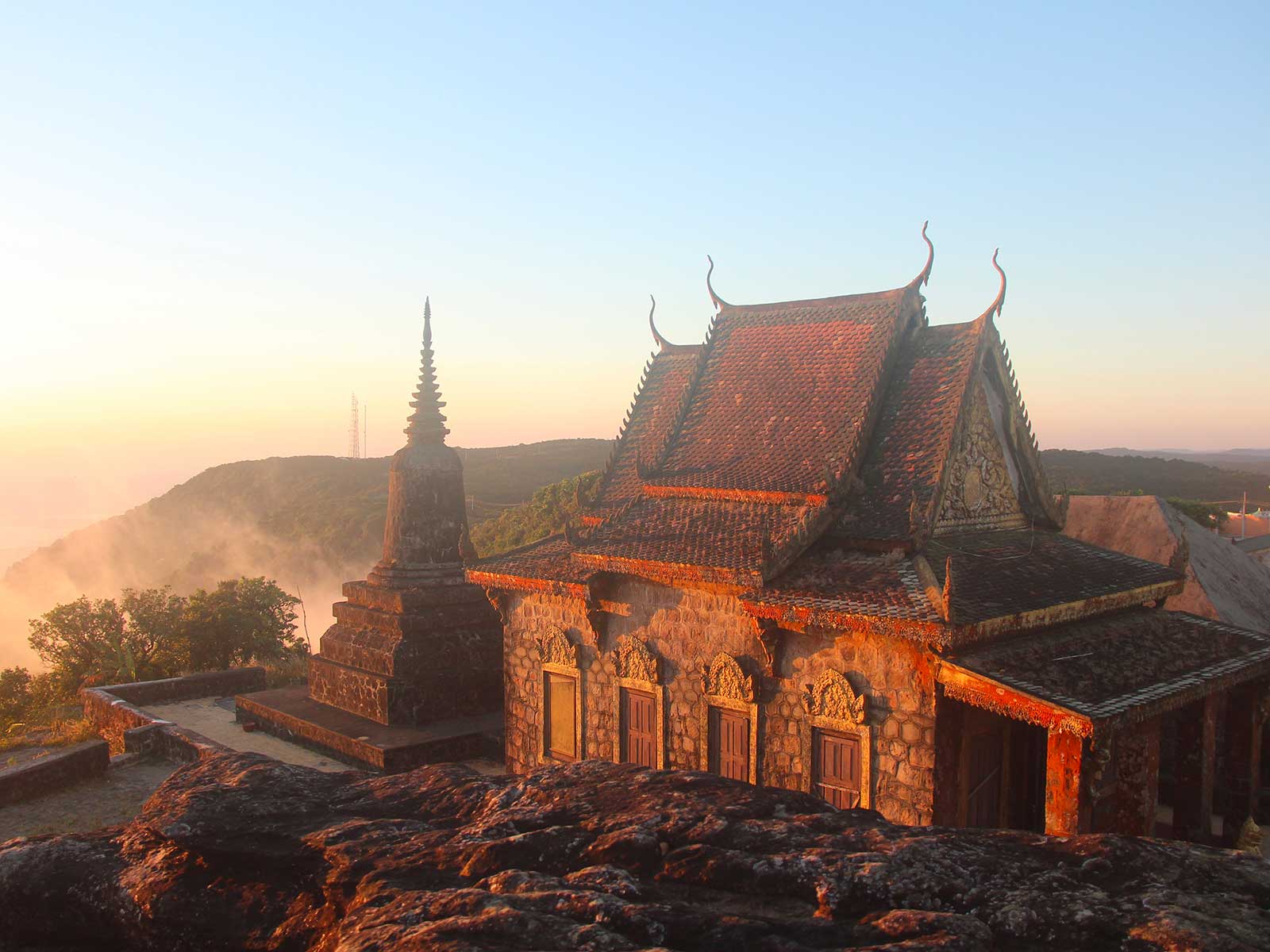
Phnom Penh City Guide: Exploring Cambodia's Vibrant Capital
Phnom Penh, Cambodia’s bustling capital, is a city of striking contrasts, where ancient traditions blend with modern dynamism. Nestled at the confluence of the Mekong, Tonlé Sap, and Bassac rivers, it offers a captivating glimpse into the heart of Cambodian culture, history, and resilience.
Welcome to Phnom Penh: A City of Resilience and Revival
Once known as the "Pearl of Asia," Phnom Penh has undergone a remarkable transformation. From its devastating past under the Khmer Rouge regime, the city has emerged as a vibrant hub, brimming with energy, captivating history, and a burgeoning contemporary scene. Visitors will discover a rich tapestry of ornate temples, colonial architecture, bustling markets, and poignant reminders of its recent history, all set against a backdrop of friendly faces and delicious street food.
Getting Around Phnom Penh
Navigating Phnom Penh is straightforward, with several convenient options:
- Tuk-tuks:The most iconic and popular way to get around. They are readily available, relatively inexpensive, and offer a great way to experience the city's atmosphere. Always agree on a price before starting your journey.
- Moto-dops (Motorbike Taxis):For solo travelers or shorter distances, a moto-dop offers a quicker way through traffic.
- Ride-Hailing Apps:Apps like Grab and PassApp are widely used and provide a convenient, often fixed-price alternative to traditional taxis and tuk-tuks.
- Bicycles:For those who prefer a more active exploration, bicycles can be rented from various guesthouses and shops, though traffic can be challenging.
Must-See Attractions in Phnom Penh
The Royal Palace and Silver Pagoda
A shining example of Khmer architecture, the Royal Palace complex serves as the official residence of the King of Cambodia. Within its ornate walls, you’ll find several impressive structures, including the Throne Hall and the Moonlight Pavilion. Adjacent to the palace is the stunning Silver Pagoda, named for its floor covered with 5,000 silver tiles, each weighing 1 kilogram. It houses several national treasures, including a magnificent Emerald Buddha and a life-sized gold Buddha statue adorned with 9,584 diamonds.
Tip:Dress respectfully when visiting the Royal Palace and Silver Pagoda. Shoulders and knees must be covered, so pack appropriate attire or be prepared to rent a sarong at the entrance.
Tuol Sleng Genocide Museum (S-21 Prison)
A visit to Tuol Sleng is a profoundly moving and essential experience for understanding Cambodia's tragic past. This former high school was converted into Security Prison 21 (S-21) by the Khmer Rouge, becoming their largest detention and torture center. Today, it stands as a museum, preserving the cells, torture instruments, and chilling photographs of victims. It's a stark reminder of the atrocities committed during the regime and serves as a vital educational site.
Choeung Ek Genocidal Center (The Killing Fields)
Located a short drive from the city center, Choeung Ek is one of many sites known as the "Killing Fields," where the Khmer Rouge executed an estimated 1.7 to 2 million people between 1975 and 1979. A towering memorial stupa filled with thousands of human skulls stands as a testament to the victims. An audio tour provides a comprehensive and respectful account of the events that transpired here, offering a deeper understanding of this dark chapter in Cambodian history. While difficult, these sites are crucial for anyone seeking to comprehend the nation's journey.
Wat Phnom
Perched atop the city's only hill, Wat Phnom is the legendary birthplace of Phnom Penh. According to folklore, the first pagoda here was built in 1373 by a wealthy widow named Daun Penh to house four Buddha statues she found in a tree trunk floating down the Mekong River. Today, it remains a popular place for locals to pray for good luck and offers pleasant views of the surrounding area.
Central Market (Phsar Thmey) and Russian Market (Phsar Toul Tom Poung)
Phnom Penh's markets are a vibrant assault on the senses. The iconic Art Deco-style Central Market, or Phsar Thmey, is an architectural marvel where you can find everything from jewelry and souvenirs to electronics and fresh produce. The Russian Market, or Phsar Toul Tom Poung, is renowned for its selection of silks, carvings, clothing, and various counterfeit goods, making it a favorite for bargain hunters.
National Museum of Cambodia
Home to one of the world's largest collections of Khmer art, the National Museum provides an excellent overview of Cambodia's artistic and cultural heritage, spanning from prehistoric times to the post-Angkorian era. Its beautiful traditional Khmer architecture and tranquil courtyards offer a peaceful escape.
Riverside (Sisowath Quay)
Stretching along the Tonlé Sap and Mekong rivers, Sisowath Quay is the city's social heart. It’s perfect for an evening stroll, offering views of the confluence, river cruises, and a plethora of restaurants, cafes, and bars. You'll often see locals exercising, socializing, and enjoying the cool breeze.
Beyond the Sights: Experiencing Local Life
Phnom Penh's pulse can truly be felt by immersing yourself in its daily rhythm.
- Food Scene:From bustling street food stalls offering delicious noodle soups and fresh fruit shakes to upscale restaurants serving refined Khmer cuisine, Phnom Penh is a foodie's paradise. Don't miss trying local specialties likeamok trey(fish curry) andlok lak(marinated beef salad).
- Nightlife:The city comes alive after dark with a range of options, from relaxed riverside pubs to vibrant rooftop bars offering stunning views.
- Art and Culture:Explore local art galleries, attend traditional dance performances, or visit independent cinemas showcasing Cambodian films.
Day Trips from Phnom Penh
Phnom Penh also serves as an excellent base for exploring other parts of Cambodia:
- Oudong:A former capital of Cambodia, located about 40 km northwest, featuring numerous stupas and shrines on a prominent hill.
- Silk Island (Koh Dach):A short ferry ride away, offering a glimpse into traditional Cambodian village life and silk weaving.
- Kep and Kampot:For those seeking a coastal escape or a taste of Cambodia's famous pepper, the charming towns of Kep and Kampot are accessible by bus or private car, offering a different pace of life.
- Kratie:Head further north to Kratie to spot the rare Irrawaddy dolphins in the Mekong River.
Practical Tips for Travelers
- Best Time to Visit:The cool, dry season from November to February is generally considered the best time, with pleasant temperatures and less rain.
- Language:Khmer is the official language, but English is widely spoken in tourist areas and by younger generations.
- Currency:The Cambodian Riel (KHR) is the official currency, but the US Dollar (USD) is also widely accepted and often preferred for larger transactions. Small Riel denominations are used for change.
- Dress Code:When visiting religious sites, always dress modestly, covering shoulders and knees.
- Safety:Phnom Penh is generally safe, but be aware of your surroundings, especially at night, and take precautions against petty theft.
Conclusion
Phnom Penh is a city that demands attention, offering a compelling blend of sorrowful history, vibrant culture, and undeniable optimism. It's a place where every corner tells a story, inviting travelers to delve deep into its past, embrace its present, and witness its hopeful future. From the solemn memorials to the bustling markets and serene riverside, Cambodia's capital is an unforgettable destination that will leave a lasting impression.
Continue your Cambodian adventure by exploring the ancient temples of Angkor Wat, the tranquil islands of Koh Rong Sanleom, or the unique floating villages of Tonlé Sap Lake.