
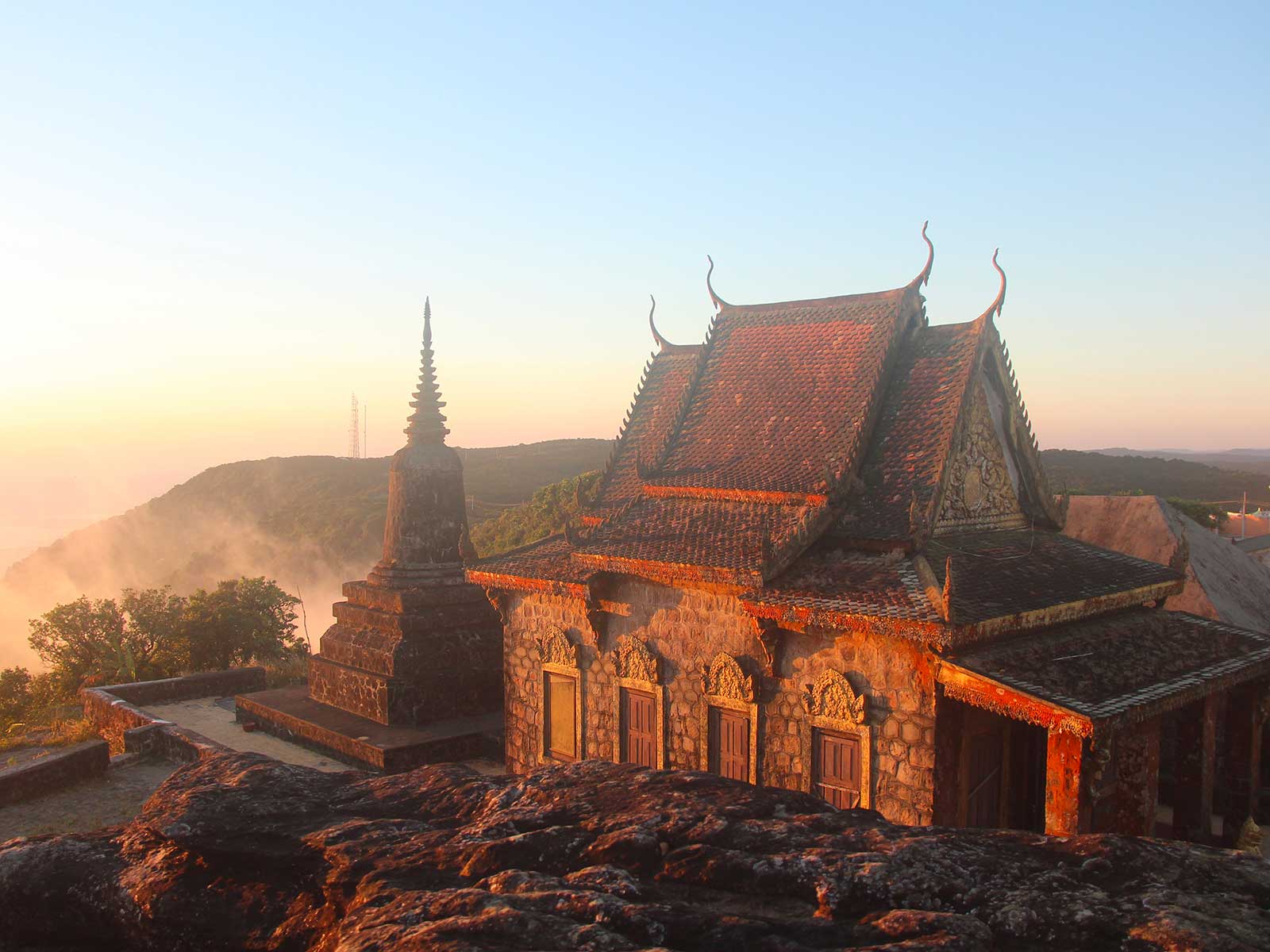
Is Cambodia Safe for Travelers? Essential Safety Tips and Advice
Cambodia, a nation rich in history, culture, and breathtaking landscapes, beckons travelers with its ancient temples and vibrant cities. While generally considered safe for tourists, like any foreign destination, understanding potential risks and how to mitigate them is key to an enjoyable and worry-free journey.
General Safety and Local Awareness
Cambodia is a developing country, and while its people are renowned for their hospitality, vigilance is always advised. The vast majority of visits are trouble-free, but being aware of your surroundings and taking sensible precautions can help you navigate common issues, particularly in popular tourist hubs like Phnom Penh and the area around Angkor Wat.
Petty Crime: Stay Alert, Not Afraid
The most common issues travelers face in Cambodia are petty crimes such as pickpocketing and bag snatching. These incidents often occur in crowded areas, markets, and on busy streets, especially from individuals on motorbikes.
- Keep Valuables Secure:Use a cross-body bag or money belt. Avoid carrying large sums of cash or flashy jewelry.
- Be Aware of Your Surroundings:Especially when walking alone at night or in crowded places.
- Motorbike Snatchings:Be cautious when using your phone or having bags visible while riding in a tuk-tuk or walking near the road. Keep bags tucked away from the street side.
Scams and Overcharging: Know Before You Go
While most Cambodians are honest, some individuals may attempt to overcharge tourists or engage in scams. This can range from inflated tuk-tuk fares to more elaborate schemes.
- Tuk-Tuk Fares:Always agree on a price before starting your journey. Many drivers will quote a higher price initially. Using ride-hailing apps can provide transparent pricing.
- "Milk for Babies" Scam:Be wary of individuals, often women with children, asking you to buy milk powder for their babies from a specific store. The price is usually inflated, and the store owner and scammer split the profit.
- Border Crossings:If crossing by land, research visa procedures beforehand to avoid unofficial "helpers" who charge extra fees.
Traveler Tip:When taking a tuk-tuk, have small denominations of local currency (Riel) or USD ready to pay the agreed fare, to avoid issues with change.
Traffic Safety: Navigating Cambodian Roads
Traffic in Cambodia can be chaotic, particularly in urban centers. Road rules are often loosely followed, and accidents are common, especially involving motorbikes.
- Motorbike Helmets:If you rent a motorbike, always wear a helmet. Ensure it's in good condition. Consider avoiding renting a motorbike if you're not an experienced rider.
- Pedestrian Awareness:When walking, assume vehicles will not stop for you. Always look both ways, even on one-way streets.
- Reputable Drivers:Use trusted taxi services or ride-hailing apps. Avoid taking rides from strangers.
Health and Hygiene: Staying Healthy on Your Trip
Health concerns are a significant aspect of travel safety. Cambodia presents typical tropical health risks.
- Water Safety:Drink only bottled water or water that has been boiled and filtered. Avoid ice in drinks unless you're sure it's made from purified water.
- Food Safety:While street food is delicious, choose vendors who are popular and have good hygiene practices. Stick to freshly cooked food and avoid raw salads washed in tap water.
- Mosquito-Borne Illnesses:Dengue fever and malaria (in some rural areas) are present. Use insect repellent, wear long sleeves and pants, especially at dawn and dusk, and sleep under a mosquito net if provided.
- Sun Protection:The Cambodian sun is intense. Use high-SPF sunscreen, wear hats, and stay hydrated.
- Travel Insurance:Essential for any overseas trip. Ensure it covers medical emergencies, evacuation, and lost belongings.
Unexploded Ordnance (UXO): A Historical Legacy
Due to past conflicts, unexploded ordnance (UXO), including landmines, is a serious hazard in some rural areas of Cambodia. While major tourist sites are cleared, venturing off marked paths in remote regions can be dangerous.
- Stick to Marked Paths:Especially in areas like the Cardamom Mountains or near the Thai border, such as around Prasat Preah Vihear.
- Heed Warning Signs:Always pay attention to UXO warning signs.
- Never Touch Suspicious Objects:If you see anything resembling ordnance, do not touch it. Report it to local authorities.
Nightlife and Socializing: Enjoy Responsibly
Cambodia's cities and tourist towns offer vibrant nightlife. However, exercising caution is important.
- Watch Your Drinks:Never leave your drink unattended.
- Avoid Illicit Activities:Drug laws are strict, and penalties are severe. Avoid any involvement with illegal substances.
- Stay with Friends:If you're out with a group, try to leave together.
Regional Safety Considerations
Phnom Penh and Siem Reap
These major tourist centers, including the area around Angkor Wat, see the highest volume of travelers and thus, unfortunately, more instances of petty crime. Be particularly vigilant with your belongings in crowded markets, bus stations, and at popular attractions.Phnom Penh's traffic can also be overwhelming, so exercise caution when crossing roads.
Sihanoukville
Sihanoukville has undergone rapid development, leading to a significant increase in casinos and certain types of crime. While the coastal beauty remains, travelers should be extra cautious, especially at night, regarding bag snatching, scams, and drink spiking. Research your accommodation and transportation carefully.
Coastal Towns and Islands
Places like Kep,Kampot, and Koh Rong Sanleom are generally more laid-back and experience fewer issues. However, basic precautions for personal belongings still apply, especially on beaches or in guesthouses. Never leave valuables unattended.
Rural and Remote Areas
When traveling to more remote destinations such as Kratie(for Irrawaddy dolphins),Mondulkiri(elephant sanctuaries),Krong Battambang, or the Cardamom Mountains, consider hiring a reputable local guide. This not only enhances your experience but also ensures you're navigating safely, especially given the UXO risk in some undeveloped areas. Always ensure your transportation is reliable and communicate your itinerary to someone.
Fun Fact:The Tonlé Sap Lake, a UNESCO Biosphere Reserve, is Southeast Asia's largest freshwater lake and plays a crucial role in Cambodia's ecosystem and economy. While generally safe, boat trips on Tonlé Sap Lake should be arranged through reputable operators to ensure safety and fair pricing.
Essential General Travel Advice
- Respect Local Culture:Dress modestly when visiting temples and religious sites. Always ask permission before photographing people.
- Travel Insurance:Absolutely non-negotiable. Ensure it covers medical emergencies, theft, and trip cancellations.
- Emergency Contacts:Keep a list of emergency numbers (local police, your embassy/consulate, travel insurance) readily accessible.
- Documentation:Keep photocopies or digital copies of your passport, visa, and other important documents separate from the originals.
- Local SIM Card:Consider purchasing a local SIM card for easy communication and navigation.
Conclusion
Cambodia is an incredibly rewarding destination, offering unique experiences and unforgettable memories. By exercising common sense, respecting local customs, and staying informed about potential risks, you can ensure your trip is both safe and spectacular. Prepare wisely, travel smart, and immerse yourself in the wonders of the Kingdom of Wonder.