
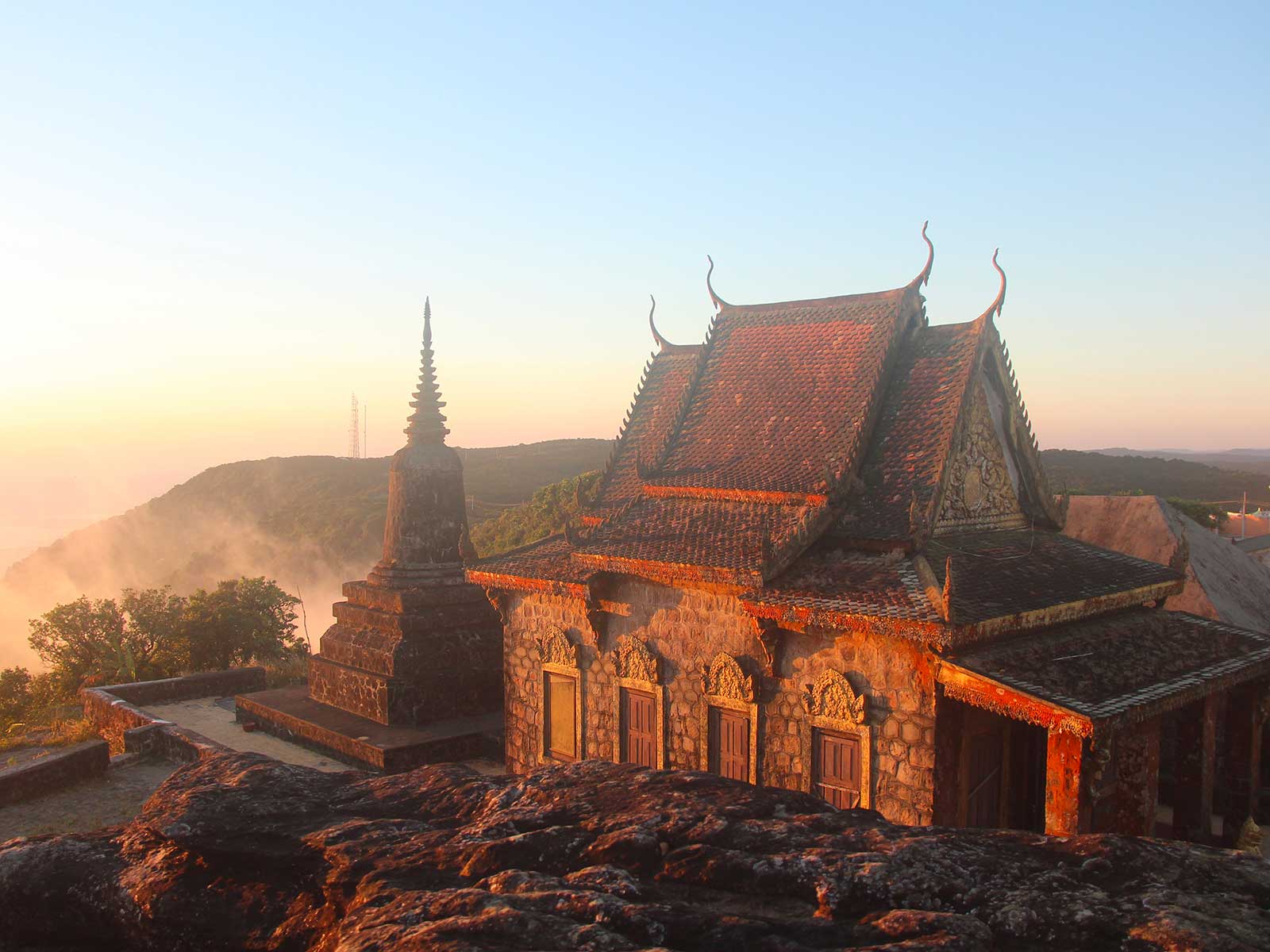
Exploring Cardamom Mountains: Ecotourism and Wildlife Encounters in Cambodia
Deep in southwestern Cambodia lies the Cardamom Mountains, a vast and pristine wilderness offering an unparalleled ecotourism experience. This region, often overlooked by mainstream tourism, is a vital biodiversity hotspot and a sanctuary for some of the world's most endangered species, making it a must-visit for nature lovers and responsible travelers.
A Jewel of Biodiversity
The Cardamom Mountains represent one of Southeast Asia's last remaining intact rainforests, stretching across several provinces. Its dense jungles, winding rivers, and dramatic waterfalls create a diverse ecosystem that supports an incredible array of flora and fauna. This area is recognized globally for its ecological significance, playing a crucial role in regional conservation efforts.
Did you know?The Cardamom Mountains are home to over 100 mammal species, 450 bird species, and numerous reptiles and amphibians, many of which are rare or endangered.
Why Choose Ecotourism in the Cardamom Mountains?
Opting for ecotourism in the Cardamom Mountains means contributing directly to conservation and supporting local communities. Initiatives here focus on sustainable travel, protecting wildlife from poaching, and empowering indigenous populations through employment and education. Visitors engage in activities that have minimal environmental impact while providing authentic, immersive experiences that connect them with nature and culture.
This region offers a unique alternative to more crowded destinations like Angkor Wat, appealing to those seeking adventure, solitude, and a deeper understanding of Cambodia's natural heritage.
Getting There and Around
Accessing the Cardamom Mountains typically involves travel from major hubs like Phnom Penh or Sihanoukville. The primary gateways into the heart of the region are often through towns like Koh Kong or by arranging transport directly with eco-lodges or tour operators. Roads can be challenging, especially during the wet season, so a 4x4 vehicle is often recommended or provided by tour groups.
Once in the region, travel is often on foot, by boat along serene rivers, or via specialized vehicles designed for rugged terrain. It is highly advisable to arrange your visit through reputable ecotourism operators who work closely with local communities and conservation projects. They can handle logistics, provide expert guides, and ensure a safe and enriching experience.
Unforgettable Wildlife Encounters
The Cardamoms are a sanctuary for a remarkable range of wildlife, offering thrilling opportunities for observation. Patience and a good local guide are key to spotting these elusive creatures.
Tracking Majestic Mammals
The mountains are a stronghold for the endangered Asian elephant, though sightings require luck and dedication. Other incredible mammals include sun bears, clouded leopards, macaques, gibbons, and various deer species. While large predators are incredibly shy and rarely seen, evidence of their presence, such as tracks, can be an exciting find.
Birdwatching Paradise
For bird enthusiasts, the Cardamoms are a dream. The forest canopy echoes with the calls of over 450 species, including several types of hornbills, kingfishers, and rare endemic species. Guided birdwatching tours can lead you to prime viewing spots, where you might witness spectacular displays of plumage and behavior.
Reptiles and Amphibians
Hidden among the undergrowth and along riverbanks are a fascinating array of reptiles and amphibians. Keep an eye out for various snake species (always from a safe distance), colorful lizards, and freshwater crocodiles in protected areas. Night walks can reveal a different world of nocturnal creatures.
Immersive Ecotourism Activities
Beyond wildlife spotting, the Cardamom Mountains offer a range of activities designed to immerse you in its natural beauty and culture.
Trekking and Hiking
Explore a network of trails ranging from easy walks to challenging multi-day treks. Hike through dense jungle, discover hidden waterfalls, and ascend to viewpoints offering panoramic vistas of the forested landscape. Guides will share their knowledge of local flora, fauna, and survival skills.
Kayaking and Boat Trips
Navigate the tranquil rivers and waterways by kayak or longtail boat. These serene journeys allow for quiet wildlife observation, especially of birds and monkeys along the banks. Some trips explore mangrove forests or lead to remote villages.
Community-Based Tourism
Engage with local communities through homestays or cultural visits. Learn about traditional livelihoods, taste authentic Cambodian cuisine, and gain insights into the daily lives of the people who call this unique region home. Your participation directly supports their sustainable development.
Waterfall Visits
The Cardamoms are dotted with stunning waterfalls, offering refreshing breaks during treks. Some have natural pools perfect for a cool dip, providing a tranquil escape amidst the jungle.
Where to Stay: Sustainable Accommodations
Accommodations in the Cardamom Mountains prioritize sustainability and blend seamlessly with the natural environment. Expect eco-lodges, tented camps, and guesthouses that often use renewable energy, support local staff, and contribute to conservation projects. These options provide comfortable stays while minimizing environmental impact and maximizing your connection with nature.
Best Time to Visit
The dry season, from November to May, is generally considered the best time to visit the Cardamom Mountains. During these months, trails are less muddy, river levels are more manageable for boat trips, and wildlife spotting can be slightly easier. However, temperatures can be quite high. The wet season (June to October) brings lush greenery, dramatic waterfalls, and fewer tourists, but also more challenging trekking conditions and potential disruptions due to heavy rainfall.
Responsible Travel Tips
To ensure your visit benefits the environment and local communities, remember these tips:
- Leave No Trace:Carry out everything you carry in. Do not litter.
- Support Local:Hire local guides and porters, and purchase goods from community-based initiatives.
- Respect Wildlife:Observe animals from a distance, never feed them, and do not disturb their natural habitats.
- Stay on Trails:Stick to designated paths to avoid damaging fragile ecosystems.
- Conserve Resources:Be mindful of your water and electricity consumption.
Beyond the Cardamoms: Exploring Nearby Regions
While the Cardamom Mountains offer an unforgettable experience, Cambodia has much more to explore. Consider combining your jungle adventure with a visit to the charming riverside town of Kampot, famous for its pepper and relaxed atmosphere. Nearby Kep offers fresh seafood and island views, while the pristine beaches of Koh Rong Sanleom provide a perfect post-trek relaxation spot. For urban culture,Phnom Penh, Cambodia's vibrant capital, is a natural starting or ending point for most itineraries.
Embarking on an ecotourism journey in the Cardamom Mountains is more than just a trip; it's an opportunity to connect with nature, contribute to vital conservation efforts, and witness the untamed beauty of Cambodia. Prepare for an adventure that will leave you with lasting memories and a deeper appreciation for our planet's wild spaces.